


How to Get Approved for a Car Loan, Even With Bad Credit
The short answer: Yes, you can get a car loan with bad credit. There's no universal minimum credit score, and lenders look at much more than your score. To improve your odds, know your credit, show steady income, make a bigger down payment, keep your loan amount and payment affordable, consider a co-signer, and shop for financing within a short window. Then pay on time to rebuild your credit for next time.
Introduction
If your credit has taken a few hits from medical bills, a job loss, a divorce, or just a rough couple of years, the idea of applying for a car loan can feel intimidating. You might worry about being turned down, embarrassed at the dealership, or stuck with a payment you can't afford.
Here's the reality: many buyers with less-than-perfect credit are approved for auto loans every day. Your credit score matters, but it's only one part of the picture. Lenders also look at your income, your job stability, your existing debts, your down payment and the vehicle you choose. Improve even a few of those factors, and your chances of approval, and the rate you're offered, can change significantly.
This guide explains exactly what auto lenders look at, gives you ten practical steps to improve your odds, shows how much a better rate can save you, and covers the documents to bring and the mistakes to avoid. Whether your credit is bruised, rebuilding or brand new, you'll walk into the dealership prepared.
What Counts as "Bad Credit" for a Car Loan?
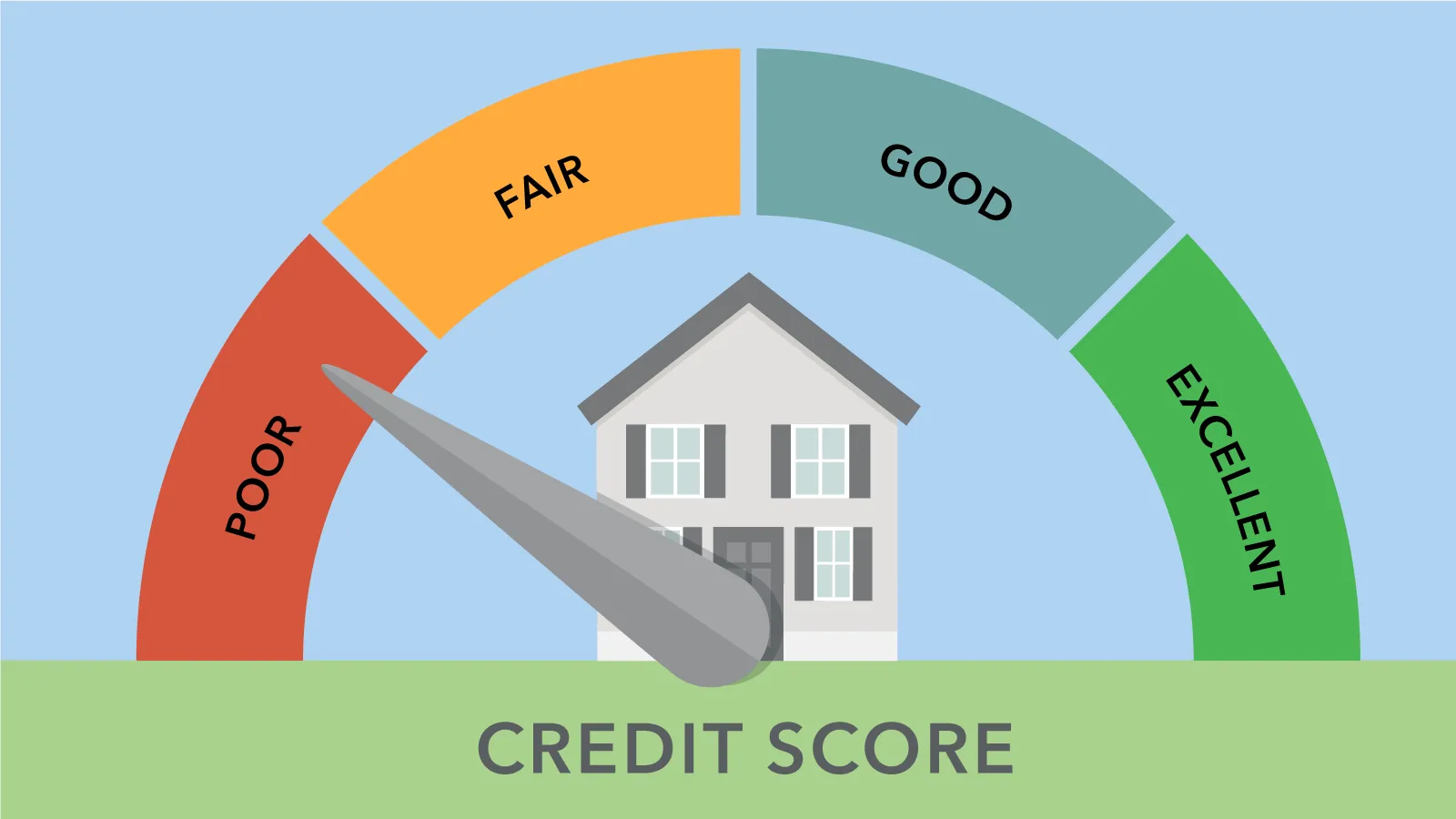
Credit scores generally range from 300 to 850. Experian, one of the three major credit bureaus, groups auto borrowers into five tiers. Here's how average auto loan rates compared across those tiers in the second quarter of 2026:
| Credit tier | Score range | Average new car APR | Average used car APR |
|---|---|---|---|
| Super prime | 781–850 | 4.41% | 6.29% |
| Prime | 661–780 | 6.15% | 8.81% |
| Near prime | 601–660 | 9.71% | 13.93% |
| Subprime | 501–600 | 13.52% | 19.10% |
| Deep subprime | 300–500 | 16.11% | 21.62% |
Experian data as of Q2 2026, based on VantageScore 4.0. Your actual rate depends on your full credit profile, the vehicle, the loan term and your down payment.
Borrowers in the subprime and deep subprime tiers are generally considered to have "bad credit" for auto lending purposes. You'll pay a higher rate than a prime borrower, but you can still get approved, and every step you take to strengthen your application can move you toward a better tier and a lower rate.
What Auto Lenders Actually Look At
According to the Consumer Financial Protection Bureau (CFPB), lenders consider several factors when deciding whether to approve you and what rate to offer:
- Your credit history and scores: especially how you've handled past car loans, plus any recent late payments, collections, repossessions or bankruptcies.
- Your income: lenders want to see that you can afford the payment. Many subprime auto lenders look for a minimum of about $1,500 to $2,000 a month in pre-tax income.
- Your existing debts: your debt-to-income (DTI) ratio compares your monthly debt payments to your monthly income.
- Your payment-to-income (PTI) ratio: many lenders want the new car payment to be no more than about 15 to 20 percent of your gross monthly income.
- Your down payment: more money down means less risk for the lender.
- The loan amount and term: smaller loans and shorter terms are easier to approve.
- The vehicle: its age, mileage and value affect how much a lender will finance.
Quick math: If you earn $3,000 a month before taxes, a 15 to 20 percent payment-to-income limit means lenders may cap your car payment at about $450 to $600 a month. Knowing this number before you shop helps you focus on vehicles you're likely to be approved for.
10 Ways to Improve Your Chances of Car Loan Approval
1. Check Your Credit Reports and Scores First
Before you apply anywhere, know where you stand. You can get free credit reports from all three bureaus at AnnualCreditReport.com. Review them carefully for errors, such as accounts that aren't yours, payments marked late that were on time, or debts that should have dropped off. Disputing and correcting errors can raise your score, sometimes quickly.
Knowing your score also helps you set realistic expectations and spot an offer that's out of line.
2. Know Your Budget Before You Shop
Decide on a monthly payment you can comfortably afford, then remember the total cost of owning a car includes insurance, fuel, maintenance, registration and taxes too. Use our payment calculator to see how price, rate and term affect your payment. Going in with a firm budget keeps you from stretching into a loan that's hard to repay, and an affordable loan is one you'll actually pay on time.
3. Save for a Bigger Down Payment
According to Experian, lenders often require a minimum down payment of about 10 percent of the sale price for borrowers with bad credit. Putting down more than the minimum is one of the most powerful things you can do. It reduces how much you need to borrow, lowers your monthly payment and total interest, and shows the lender you have a financial stake in the vehicle.
4. Use Your Trade-In
If you have a vehicle to trade, its equity works just like a cash down payment. Even an older car can be worth more than you think. Get an estimate with our What's My Buying Power tool so you know its value before you negotiate.
5. Show Stable Income and Employment
Lenders look for proof that you can make payments consistently. Steady employment, ideally with the same employer for a while, and verifiable income both help. If you have additional income, such as a second job, Social Security, disability, alimony or child support, include it if you're comfortable doing so and can document it.
6. Pay Down Other Debts if You Can
Lowering your credit card balances before you apply can reduce your debt-to-income ratio and may raise your credit score, since amounts owed make up about 30 percent of a FICO® Score. Even paying down one card can help.
7. Consider a Co-Signer
A co-signer with good credit and stable income can significantly improve your chances of approval and may help you get a lower rate. But it's a serious commitment. The co-signer is legally responsible for the loan if you don't pay, and the loan appears on their credit report. Only ask someone you trust, and only if you're confident you can make every payment.
8. Choose an Affordable Vehicle
The smaller the loan, the easier it is to approve and repay. Experian's analysis shows how loan size affects cost: at the same high interest rate, a much smaller loan can mean dramatically less total interest. Consider:
- Efficient, affordable new models like the Hyundai Elantra and Hyundai Kona, which also tend to have lower insurance and fuel costs.
- Certified pre-owned vehicles, which cost less than new and come with an inspection and added warranty coverage. Browse our certified pre-owned inventory.
- Budget-friendly used vehicles, including our cars under $15,000.
9. Get Pre-Qualified and Shop Smart
Pre-qualification often uses a soft credit check that doesn't affect your score, and it gives you a sense of what you may be approved for. When you're ready to formally apply, keep all your auto loan applications within a short window. FICO® Scores count multiple auto loan inquiries within 14 to 45 days (depending on the scoring version) as a single inquiry, so aim to finish within about two weeks.
The CFPB also notes that lenders aren't required to offer you their best rate, so it pays to compare offers. You can apply at banks, credit unions and online lenders, and you can also let the dealership's finance team shop your application to its network of lenders.
10. Choose a Shorter Loan Term if You Can Afford It
Longer loans, such as 72 or 84 months, lower your monthly payment but increase total interest, and that effect is bigger at higher rates. A longer loan also keeps you owing more than the car is worth for longer. If the payment on a shorter term fits your budget, it can save you a lot of money and help you build equity faster.
How Much a Better Rate and Down Payment Can Save
Small improvements to your application can make a big difference. Here's what a $25,000, 60-month loan would cost at the average new-car rates for each credit tier in Q2 2026:
| Credit tier (avg. new APR) | Monthly payment | Total interest over 5 years |
|---|---|---|
| Prime (6.15%) | $485 | $4,104 |
| Near prime (9.71%) | $528 | $6,657 |
| Subprime (13.52%) | $576 | $9,530 |
| Deep subprime (16.11%) | $609 | $11,565 |
And here's how a bigger down payment changes the same subprime loan at 13.52% APR over 60 months:
| Amount financed | Monthly payment | Total interest |
|---|---|---|
| $25,000 (no extra down) | $576 | $9,530 |
| $22,500 ($2,500 more down) | $518 | $8,577 |
| $20,000 ($5,000 more down) | $460 | $7,624 |
Illustrative calculations only, before taxes and fees. Your rate and terms depend on credit approval and lender programs.
Moving up just one credit tier, from subprime to near prime, would save nearly $2,900 in interest on this example loan. That's why the steps above, and paying your loan on time afterward, are so valuable.
Documents to Bring to the Dealership
Coming prepared speeds up the approval process and shows lenders you're organized and serious. Bring:
- A valid driver's license
- Proof of income, such as your two or three most recent pay stubs; if you're self-employed, recent tax returns or bank statements
- Proof of residence, such as a recent utility bill or lease agreement with your current address
- Proof of insurance, or your insurance agent's contact information
- A list of personal references, which some lenders request
- Your down payment, by check, debit card or another method the dealership accepts
- Your trade-in's title or loan payoff information, and its registration and keys
Mistakes to Avoid When You Have Bad Credit
- Focusing only on the monthly payment. A low payment can hide a very long term and thousands in extra interest. Look at the APR, term and total cost.
- Spreading applications over weeks. Keep rate shopping within a short window so inquiries are counted as one.
- Stretching your budget. A payment you can't comfortably make puts your credit at risk all over again.
- Rolling negative equity into a new loan without understanding the cost. If you owe more on your trade-in than it's worth, that balance can be added to your new loan.
- Signing before you understand the terms. Read the contract, and ask questions about anything unclear, including add-on products, which are optional.
- Skipping insurance. Lenders require full coverage on financed vehicles, so get a quote before you buy.
Dealership Financing vs. Buy-Here-Pay-Here Lots
When you have bad credit, you may see "buy here, pay here" (BHPH) lots advertising guaranteed approval. These dealers finance vehicles themselves, and they can be an option for some buyers. But they often charge higher interest rates, may offer older vehicles with higher mileage, and don't always report on-time payments to the credit bureaus, which means you may not rebuild your credit.
A franchise dealership like McCarthy Olathe Hyundai works with a network of banks, credit unions and specialty lenders, including lenders that focus on helping buyers rebuild credit. That gives you more options, newer and certified vehicles to choose from, and loans that are reported to the credit bureaus, so on-time payments help you rebuild. Learn more on our bad credit financing page.
After You're Approved: Rebuild Your Credit
Getting approved is the start of the comeback. An auto loan paid on time is one of the most effective ways to rebuild your credit, because payment history is the biggest factor in your credit score. Set up autopay, keep your payment affordable, and watch your score improve over time. After six to twelve months of on-time payments, you may even qualify to refinance at a lower rate.
Learn how it works in our guide: Does financing a car build credit? Want to boost your score before you buy? Read 6 tips to fix your credit score fast and get a better car loan.
Ask about special programs. Hyundai offers programs that may help eligible buyers, including the college graduate program and the military program. Our finance team can tell you which ones you may qualify for.
Get Pre-Qualified at McCarthy Olathe Hyundai
Our finance team works with buyers in every credit situation, from first-time buyers to drivers rebuilding after bankruptcy. Apply online in minutes, and we'll work with our lender network to find a loan that fits your budget. No judgment, just real options.
Apply for Financing Bad Credit FinancingFrequently Asked Questions
Can I get a car loan with bad credit?
Yes. According to Experian, there isn't an overall minimum credit score to get a car loan. Some lenders set their own minimums, but others work with borrowers who have low scores or no credit history. You can expect a higher interest rate, and a larger down payment, steady income, a co-signer or an affordable vehicle can all improve your chances and your terms.
What credit score do I need to buy a car?
There is no universal minimum. Lenders look at your whole financial picture, including income, existing debt and down payment, not just your score. To qualify for the lowest rates, Experian suggests aiming for a VantageScore of 661 or higher or a FICO Score of 670 or higher, but many buyers with lower scores are approved every day.
How much down payment do I need with bad credit?
According to Experian, lenders often require a minimum down payment of about 10 percent of the sale price when you have bad credit. Putting down more than the minimum lowers the amount you borrow, reduces your monthly payment and total interest, and can help you qualify for better terms. A trade-in can count toward your down payment.
How much income do I need to get a car loan with bad credit?
Requirements vary by lender, but many subprime auto lenders look for a minimum of about $1,500 to $2,000 a month in pre-tax income. Lenders also typically want your car payment to be no more than about 15 to 20 percent of your gross monthly income.
Does a co-signer help get a car loan approved?
Yes. A co-signer with good credit and stable income can improve your chances of approval and may help you get a lower interest rate. Keep in mind that the co-signer is legally responsible for the loan if you don't pay, and the loan will appear on their credit report.
Should I get pre-qualified before going to the dealership?
It's a good idea. Pre-qualification often uses a soft credit check that doesn't affect your score and gives you an idea of what you may qualify for. When you formally apply, do all of your rate shopping within a short window, about 14 days, so multiple auto loan inquiries are typically counted as one.
Can I refinance a bad credit car loan later?
Often, yes. After six to twelve months of on-time payments, and as your credit score improves, you may qualify to refinance at a lower rate. Check your loan contract for any prepayment terms and compare offers before refinancing.
Conclusion
Bad credit can make getting a car loan more challenging, but it doesn't have to stop you. Lenders look at your whole financial picture, and you have more control over it than you might think. Check your credit, set a realistic budget, save for a larger down payment, use your trade-in, show steady income, choose an affordable vehicle and shop for financing within a short window. Each step improves your chances of approval and can lower the rate you pay.
Once you're approved, every on-time payment helps rebuild your credit, setting you up for an even better rate on your next vehicle.
Ready to take the next step? The finance team at McCarthy Olathe Hyundai is here to help, whatever your credit history. Apply for financing online or visit us in Olathe to get started.
This article is for general educational purposes and isn't financial or legal advice. All financing is subject to credit approval. Rates and terms vary by lender, credit history and vehicle.