


Blog

Is December the Best Time to Buy a Car? Year-End Hyundai Deals Explained

New Hyundai SUVs with holiday bows on the lot at McCarthy Olathe Hyundai during a year-end sales event

Is December the Best Time to Buy a Car? Year-End Hyundai Deals Explained

Is December the Best Time to Buy a Car? Year-End Hyundai Deals Explained

The short answer: for most buyers, yes. According to Edmunds, December has historically had the highest average discounts off MSRP of any month, and the last few days of the year tend to bring the deepest discounts. Three forces come together: dealers and automakers pushing to hit year-end sales goals, outgoing model-year inventory that needs to make room for new arrivals, and special financing and lease offers. The best deals usually go to shoppers who prepare early and stay flexible.

Introduction

You've probably heard that the end of the year is the best time to buy a car. Every December, the TV ads and holiday sales events ramp up, and it can be hard to tell how much of it is real savings and how much is marketing.

The good news is that the year-end deal isn't a myth. There are real, data-backed reasons why December tends to offer some of the best prices of the year, on both new and used vehicles. But "best time" doesn't mean every car on the lot is discounted, or that you should rush into a purchase on December 31. Knowing where the savings come from, and which vehicles are most likely to carry them, is what turns a good deal into a great one.

In this guide, we'll explain why December is such a strong month for car buyers, which Hyundai models may offer the best year-end opportunities, the types of incentives to look for, the trade-offs to consider, and a simple step-by-step plan to get the best price at McCarthy Olathe Hyundai.

Why December Is a Great Month to Buy a Car

1. Year-End Sales Goals

Dealerships and automakers set monthly, quarterly and annual sales targets, and December is the deadline for all three at once. Hitting those targets can unlock bonuses from the manufacturer, so the last weeks of the year are when dealers are often most motivated to make a deal. According to Edmunds, automakers and dealers typically lean on cash-back offers, financing specials and price cuts to reach their year-end goals.

2. Outgoing Model-Year Inventory

By December, next year's models are arriving on dealer lots, and the current model year becomes "last year's car." Dealers want to clear that inventory to make room. Edmunds notes that outgoing or minimally changed models often get steeper incentives, and sales managers treat them as must-move inventory. Vehicles that have been on the lot for several months are especially likely to be discounted.

This year, there's an extra factor. Kelley Blue Book reported in its September 2026 pricing update that the arrival of next-model-year vehicles has been running well behind historic norms. That can mean more current-model-year inventory still on lots as the year closes.

3. Special Financing and Lease Offers

Edmunds research shows automakers often pair year-end clearance with lower interest rates, longer promotional terms or stronger lease deals. A special low APR can save you thousands over the life of a loan, sometimes more than a cash discount.

4. Fewer Shoppers in the Showroom

Between holiday shopping, family travel and cold weather, many people aren't thinking about car shopping in December. iSeeCars executive analyst Karl Brauer has pointed to year-end sales pushes, cold weather keeping shoppers home, and holiday plans and spending as reasons the end of December offers so many deals. Fewer shoppers can mean more attention from the sales team and more room to negotiate.

What the Numbers Say

Data point What it shows
Edmunds transaction data December has historically had the highest average discounts off MSRP for both new and used vehicles.
Edmunds The last few days of December tend to produce the deepest discounts of the year.
iSeeCars used-car analysis New Year's Eve and New Year's Day had 47.9% more deals (5%+ below the typical price) than average.
Kelley Blue Book, Sept. 2026 Average new-vehicle transaction price was $50,562, with average incentives of $3,359 (6.6% of the transaction price).

Those Kelley Blue Book figures are a September snapshot. Incentive spending tends to change throughout the year, and year-end programs can raise it for specific models. The takeaway: incentives are a meaningful part of what buyers pay, and timing your purchase can help you get more of them.

Which Hyundai Models May Offer the Best Year-End Deals?

Specific offers change month to month, so always check current programs. But based on how year-end pricing typically works, these are the types of Hyundai vehicles most likely to carry strong year-end opportunities:

  • 2026 models that carry over for 2027. When next year's version has only minor changes, the 2026 gives you nearly the same vehicle, often at a lower price. For 2027, carryover models include the Santa Fe, Kona, IONIQ 5 and Sonata.
  • Models with a redesign on the way. Hyundai revealed the all-new, next-generation Tucson on October 1, 2026, with North American sales to follow in 2027. That can make the current Tucson, including the hybrid and plug-in hybrid, a strong value as dealers transition between generations.
  • Remaining standard IONIQ 6 inventory. For 2027, the IONIQ 6 N is the only IONIQ 6 offered in the U.S. Any remaining new standard IONIQ 6 models in inventory may be among the last available.
  • Vehicles that have been on the lot longer. Specific colors or trims that have been in inventory for a while are often priced to move.

For a full rundown of what's changing for the new model year, read our guide to the 2027 Hyundai lineup. Then check current pricing and programs on our Hyundai finance offers page.

Types of Year-End Deals to Look For

Deal type How it works Best for
Cash rebate (bonus cash) A manufacturer discount that lowers the price Cash buyers, or financing with your own lender
Special low APR A reduced interest rate through the manufacturer's finance company Buyers with good credit who are financing
Lease special Lower monthly payment or less due at signing Drivers who want a lower payment and a new car every few years
Dealer discount A price reduction from the dealership, often on specific inventory Anyone, especially on aged inventory
Loyalty or conquest offers Extra savings for current owners or buyers switching from another brand Current Hyundai owners and competitive-brand owners
Special programs Offers for groups like recent college grads or military members Eligible buyers

Rebate or low APR? Manufacturers often make you choose one or the other. Use our payment calculator to compare the total cost of each option, or ask us to show both side by side. If you're considering a lease, our guide to leasing vs buying can help you decide.

The Trade-Offs of Buying in December

December is a great month for deals, but it isn't perfect for every buyer. Keep these trade-offs in mind:

  • Less selection. By late December, popular trims and colors may be sold out. If you have very specific requirements, you may need to be flexible or shop earlier.
  • Busy days at the very end. The final days of the year can get crowded with other deal hunters. Plan ahead so you're not rushed.
  • Model-year depreciation. A 2026 vehicle bought in December will be considered a year older than a 2027 when you eventually sell or trade it in. If you keep cars for many years, this matters less. If you trade often, factor it in.
  • Winter weather. Kansas City weather can be unpredictable in December. Schedule your test drive on a clear day, and consider whether all-wheel drive fits your needs. HTRAC AWD is available on Hyundai models including the Tucson, Santa Fe, Kona and Palisade.

Other Good Times to Buy a Car

If December doesn't work for you, these times can also bring good deals:

  • The end of any month or quarter, when dealers push to reach monthly and quarterly targets (late March, June and September).
  • Holiday weekends like Memorial Day, Fourth of July and Labor Day, when manufacturers often run sales events.
  • Model-year changeover in late summer and fall, as new models start to arrive.
  • When a redesign is announced, because the outgoing model becomes a clearance priority.

The truth is, the best time to buy a car is when you're ready, with your budget, credit and research in order. Good timing simply adds extra savings on top.

A New Tax Break to Know About: Car Loan Interest Deduction

If you're financing a new vehicle, there's a newer federal tax benefit worth knowing. For tax years 2025 through 2028, eligible buyers may deduct up to $10,000 per year in interest on a loan for a new vehicle that underwent final assembly in the United States, whether or not they itemize. Key rules include:

  • The vehicle must be new and used more than 50 percent for personal purposes.
  • Leased vehicles and used vehicles don't qualify.
  • The deduction phases out for modified adjusted gross income above $100,000 for single filers and $200,000 for joint filers.
  • You'll need the vehicle's VIN when you file.

Several Hyundai models are assembled in the U.S. According to Cars.com's 2026 American-Made Auto Index, the Santa Fe, Santa Fe Hybrid, Santa Cruz and Tucson are built in Montgomery, Alabama, and the IONIQ 5 is built in Georgia. Final assembly location can vary by trim and powertrain, so confirm it for the specific vehicle using its VIN, and talk to a tax professional about whether you qualify.

How to Get the Best Year-End Deal: Step by Step

  1. Start early in December. Edmunds advises starting early so you get better selection and avoid a rushed decision. Research and test drive early in the month, then finalize your deal later.
  2. Know your budget. Decide on a comfortable monthly payment and total price before you shop.
  3. Check your credit. Your credit score affects the financing offers you qualify for. If your credit needs work, read our guide on how to get approved for a car loan with bad credit.
  4. Get pre-qualified. Knowing your financing options ahead of time puts you in a stronger position. Start with our online credit application.
  5. Value your trade-in. Use our What's My Buying Power tool to estimate its value before you negotiate.
  6. Be flexible. Being open to a different color, trim or model year, including a 2026 instead of a 2027, can unlock bigger savings.
  7. Compare offers side by side. Look at the out-the-door price, APR, term and total cost, not just the monthly payment.
  8. Read the paperwork. Make sure the final numbers match what you agreed to, and ask about anything you don't understand.

Don't Forget Used and Certified Pre-Owned

Year-end deals aren't just for new cars. Edmunds data shows December has historically brought strong discounts on used vehicles too. And as new-car buyers trade in their vehicles at year-end, dealers often see an influx of fresh used inventory. A certified pre-owned Hyundai gives you a lower price than new plus an inspection and added warranty coverage.

Watch out for these year-end mistakes:

  • Buying more car than you need just because it's on sale
  • Focusing only on the monthly payment while the loan term stretches longer
  • Waiting until the final hour of December 31 and feeling rushed into a decision
  • Assuming every advertised offer applies to every vehicle; check eligibility and expiration dates

With your homework done, you can focus on what matters most: finding the right Hyundai at the right price, without feeling rushed by the calendar.

  • A firm budget for your monthly payment and total out-the-door price
  • Your current credit score, and a pre-qualification if possible
  • An estimate of your trade-in's value, plus its title or payoff information
  • A short list of two or three models and trims you'd be happy with
  • Your must-have features, and the ones you're flexible on
  • A quote from your insurance company for the vehicles you're considering
  • Proof of income, proof of residence and your driver's license
  • A plan to compare cash rebates against special financing offers
  • A list of questions about warranty coverage, maintenance and delivery timing

Bring this list with you, or save it on your phone. Having these items ready makes it easier to move quickly when you find the right deal, which matters in the busy final weeks of the year.

Your Year-End Car Shopping Checklist

Shop Year-End Hyundai Deals at McCarthy Olathe Hyundai

Our team will help you compare current offers on new, certified pre-owned and used Hyundai models, show you rebate and financing options side by side, and find the right vehicle at the right price before the year ends.

See Current Offers Get Pre-Qualified

Frequently Asked Questions

Is December really the best time to buy a car?

Historically, yes. According to Edmunds transaction data, December has typically had the highest average discounts off MSRP for both new and used vehicles, and the last few days of the month tend to produce the deepest discounts of the year. Year-end sales goals, outgoing model-year inventory and special financing offers all come together in December.

What is the best day in December to buy a car?

The final days of December, especially the last week leading up to New Year's Eve, are often the best for deals as dealers and automakers push to hit year-end goals. An iSeeCars analysis of used-car sales found New Year's Eve and New Year's Day had 47.9 percent more deals than average. Selection can be thinner by then, so shopping earlier in the month and finalizing late can give you both choice and savings.

Which cars have the best year-end deals?

The biggest discounts are usually on outgoing model-year vehicles, models that carry over with few changes for the new year, and models about to be redesigned. Vehicles that have been on the lot for a while are also more likely to be discounted.

Is it better to buy a 2026 or 2027 car in December?

If the 2027 version of the model you want has few changes, a 2026 model bought at a year-end discount can be the better value. If the 2027 is a redesign or adds features you want, the newer model may be worth it. Keep in mind that the older model year will be valued as a year older when you trade it in.

Can I combine year-end rebates and special financing?

Sometimes, but not always. Manufacturers often make you choose between a cash rebate and a special low APR. Compare the total cost of each option over the life of the loan, or ask your salesperson to show both side by side.

Is there a tax deduction for car loan interest?

For tax years 2025 through 2028, eligible buyers may deduct up to $10,000 a year in interest on a loan for a new vehicle that had its final assembly in the U.S. and is used mainly for personal purposes. Leases and used vehicles don't qualify, and the deduction phases out at higher incomes. Talk to a tax professional about your situation.

Conclusion

December really is one of the best times of the year to buy a car. Year-end sales goals, outgoing model-year inventory and special financing offers come together to create some of the strongest deals of the year, especially in the final days of the month. For Hyundai shoppers, carryover 2026 models and the current-generation Tucson may present especially good opportunities as the 2027 lineup arrives.

The best deals go to buyers who prepare: know your budget, check your credit, value your trade-in, stay flexible and compare offers side by side. Start early, finalize late, and don't let the calendar rush you into the wrong vehicle.

Ready to find your year-end deal? Visit McCarthy Olathe Hyundai or browse our current Hyundai offers to get started.

This article is for general educational purposes and isn't financial or tax advice. Offers vary by model, region and credit approval, and may change or end at any time. See dealer for details.
Recommended Posts

Hyundai technician performing an oil change on a Hyundai SUV in the McCarthy Olathe Hyundai service center

How Often Does a Hyundai Need an Oil Change? Intervals and Cost

How Often Does a Hyundai Need an Oil Change? Intervals and Cost How Often Does a Hyundai Need an Oil Change? Intervals and Cost The short answer: For many 2026 Hyundai models, including the Tucson, Santa Fe and Palisade, Hyundai's owner's manuals call for an oil and filter change every 8,000 miles or 12 months, whichever comes first, under normal driving. Under severe driving conditions, which include frequent short trips, stop-and-go traffic, very cold weather, salted roads and towing, that drops to every 5,000 miles or 6 months. Many Kansas City drivers fall into the severe category. Always check your own owner's manual, since intervals vary by model and year. Introduction The oil change is the most basic maintenance your car needs, and one of the most important. Engine oil lubricates hundreds of moving parts, carries heat away from the engine, and traps dirt and byproducts so they don't cause wear. Over time, oil breaks down and gets dirty, and it stops protecting the engine as well as it should. But how often is "often enough"? You may have heard "every 3,000 miles" from a parent, seen 10,000 miles on a bottle of synthetic oil, or noticed a reminder on your dashboard. With so many different numbers floating around, it's easy to change your oil too early, wasting money, or too late, risking your engine. This guide answers the question for Hyundai owners. We'll cover Hyundai's recommended intervals for normal and severe driving, explain which category most Kansas City drivers fall into, show what oil your Hyundai needs, give you a realistic idea of cost, and share how to check your oil and spot warning signs between services. Hyundai's Recommended Oil Change Intervals Hyundai publishes two maintenance schedules in its owner's manuals: a normal schedule and a severe usage schedule. Here's what the 2026 owner's manuals say for several popular models: 2026 model Normal schedule Severe usage schedule Tucson Every 8,000 miles or 12 months See owner's manual Santa Fe Every 8,000 miles or 12 months See owner's manual Palisade Every 8,000 miles or 12 months Every 5,000 miles or 6 months Palisade Hybrid Every 8,000 miles or 12 months Every 5,000 miles or 6 months From Hyundai's 2026 U.S. owner's manuals; "whichever comes first." Intervals can differ by model, engine and model year, including older Hyundai vehicles. Always confirm in your vehicle's owner's manual. Notice the "or 12 months" part. Even if you don't drive much, oil should be changed at least once a year, because oil ages and breaks down over time, not just with mileage. Hyundai's manuals also note that it's normal for an engine to consume some oil between changes, so the oil level should be checked regularly. And after a vehicle reaches 10 years or 100,000 miles, Hyundai's manuals recommend following the severe maintenance schedule. What Counts as "Severe" Driving? "Severe" sounds extreme, but Hyundai's definition covers a lot of everyday driving. According to the 2026 Palisade owner's manual, severe usage conditions include: Repeatedly driving short distances of less than 5 miles in normal temperatures, or less than 10 miles in freezing temperatures Extensive engine idling or low-speed driving for long distances Driving on rough, dusty, muddy, unpaved, gravel or salt-spread roads Driving in areas using salt or other corrosive materials, or in very cold weather Driving in conditions where sand or dust gets into the engine Driving in heavy traffic, or frequent stop-and-go conditions Driving on uphill, downhill or mountain roads Towing, camping or driving with loads on the roof Commercial use, such as a patrol car or taxi Frequent high-speed driving or rapid acceleration and deceleration Using engine oil that isn't the recommended type, such as mineral or semi-synthetic oil or a lower grade Do Kansas City Drivers Fall Under "Severe"? Many do. Think about a typical week in Johnson County: short trips to school and the grocery store, stop-and-go traffic on I-435 or 119th Street, freezing winter mornings, and roads treated with salt and brine for months each year. Add towing a boat to the lake in summer, and plenty of local drivers check several boxes on that list. If your driving regularly includes any of these conditions, following the severe schedule, every 5,000 miles or 6 months for models like the Palisade, is the safer choice. If you mostly drive longer highway commutes in mild weather, the normal schedule may fit. When in doubt, ask our service team. We can look at how you drive and recommend the right schedule. What Type of Oil Does Your Hyundai Need? Modern Hyundai engines are designed for specific oil viscosities and quality standards. For example, Hyundai's 2026 Sonata owner's manual specifies: Engine Recommended oil Capacity (drain and refill) Smartstream 2.5L GDI SAE 0W-20, API SN PLUS/SP or ILSAC GF-6 6.13 U.S. quarts Smartstream 2.5L Turbo GDI SAE 0W-30, API SN PLUS/SP or ILSAC GF-6 See owner's manual Hyundai specifies full synthetic oil meeting at least API SN PLUS. Its manuals also note that using lower-grade oil, such as mineral or semi-synthetic oil, means you should follow the severe maintenance schedule. Why "0W" matters in winter: The first number in a grade like 0W-20 describes how easily oil flows when cold. A low "W" number means the oil reaches critical engine parts faster on a freezing Kansas City morning, which is when most engine wear happens. For more cold-weather tips, see our winter car prep checklist. What About Hybrids and EVs? Hybrids and plug-in hybrids, such as the Tucson Hybrid, Santa Fe Hybrid, Palisade Hybrid and Elantra Hybrid, still have gasoline engines and need regular oil and filter changes. The 2026 Palisade Hybrid manual uses the same intervals as the gas model: 8,000 miles or 12 months normally, and 5,000 miles or 6 months under severe use. Even though a hybrid's engine may shut off often, it still needs fresh oil on schedule. Learn more in our guide: Do Hyundai hybrids need to be plugged in? Fully electric models, such as the IONIQ 5 and IONIQ 9, don't have engine oil to change. They still have scheduled maintenance, including tire rotations, cabin air filters, brake inspections and coolant checks. How Much Does a Hyundai Oil Change Cost? The price of an oil change depends on your model, how much oil it takes, the type of oil, and where you have it done. As one example, Kelley Blue Book estimated a fair price range of about $126 to $150 for a dealer oil change on a 2025 Hyundai Tucson in one market. Prices in the Kansas City area may differ. Here are a few ways to save: Check for Hyundai Complimentary Maintenance. It has covered oil and filter changes, tire rotations and multi-point inspections for 3 years or 36,000 miles on eligible 2020 to 2025 model-year vehicles purchased or leased new. See our Hyundai Complimentary Maintenance page. Look for service specials. Check our current service and parts specials before you book. Bundle services. Combining your oil change with a tire rotation and inspection saves you a separate trip. An oil change is also one of the best values in car care. A few routine services each year cost far less than the engine damage that neglected oil can cause. Dealer vs. Quick-Lube: Does It Matter? You can have your oil changed anywhere and keep your warranty, as long as the work follows Hyundai's specifications and you keep records. Under federal law, a manufacturer generally can't void your warranty just because you used an independent shop. But there are real advantages to a Hyundai dealer: The right oil and filter: genuine Hyundai filters and oil that meets Hyundai's exact specifications Factory-trained technicians who know your vehicle A multi-point inspection that can catch issues early, such as worn brakes, leaks or tire wear Recall checks: any open recalls can be identified and completed during your visit Service records stored with your vehicle's history, which helps with warranty claims and resale Learn more about protecting your coverage in our guide: Hyundai vs Toyota, Honda and Kia warranties. Signs You Need an Oil Change Sooner The oil change reminder or maintenance light appears on your dashboard The oil pressure warning light comes on (stop safely and check right away) Low oil on the dipstick, or oil that looks very dark, gritty or sludgy New engine noise, such as ticking or knocking. See our guide: Why does my car make a noise when I start it? A burning oil smell inside or outside the car You've reached the time limit, even if you haven't driven many miles Never ignore the oil pressure light. If the red oil pressure warning light comes on while driving, pull over safely and turn off the engine as soon as possible. Running an engine without adequate oil pressure can cause serious damage within a short time. Check the oil level, and call for service. How to Check Your Oil Level Checking your oil between services takes just a few minutes and can catch problems early: Park on level ground and turn off the engine. Wait a few minutes for the oil to drain back into the pan, as your owner's manual describes. Open the hood and find the engine oil dipstick, usually with a brightly colored handle. Pull it out and wipe it clean with a lint-free cloth or paper towel. Reinsert it fully, then pull it out again. Check the level. The oil should be between the two marks. If it's near or below the lower mark, add the recommended oil a little at a time. Check the condition. Fresh oil is amber; oil that's very dark, gritty or milky should be checked by a technician. If you find yourself adding oil often, schedule an inspection to find out why. Common Oil Change Myths Myth: "Every car needs an oil change every 3,000 miles." That advice dates back to older engines and conventional oil. Today's Hyundai engines and full synthetic oils are designed for longer intervals, so follow your owner's manual instead of a one-size-fits-all rule. Myth: "If I don't drive much, I can skip it." Oil ages over time, and short trips are actually hard on oil because the engine may never fully warm up. That's why Hyundai lists a time limit as well as a mileage limit. Myth: "Dark oil always means it needs changing." Oil often darkens quickly as it does its job of holding contaminants. Go by the schedule and the dipstick level, and have a technician check oil that looks gritty, sludgy or milky. Myth: "Adding oil is the same as changing it." Topping off restores the level, but it doesn't remove old, contaminated oil or replace the filter. Myth: "Hybrids don't need oil changes." Hybrid engines still need fresh oil on schedule, even if they run less often. Following the right schedule for how you actually drive is the simplest way to protect your engine without overspending. What Happens During a Hyundai Oil Change Service When you bring your Hyundai to McCarthy Olathe Hyundai for an oil change, our technicians typically: Drain the old oil and replace the oil filter with a genuine Hyundai filter Refill with oil that meets Hyundai's specification for your engine Reset the maintenance reminder Perform a multi-point inspection of key systems, such as brakes, tires, belts, hoses, fluids and lights Check for open recalls Let you know about any upcoming maintenance or issues we find If you're due, we can also rotate your tires at the same visit. Tire rotation helps your tires wear evenly and last longer. The 2026 Palisade owner's manual recommends rotating tires every 8,000 miles or 12 months. Book Your Hyundai Oil Change in Olathe Keep your Hyundai running its best with an oil change from factory-trained technicians using genuine Hyundai parts. We'll check whether you qualify for Complimentary Maintenance and let you know about any current service specials. Book an Oil Change Service Specials Frequently Asked Questions How often does a Hyundai need an oil change? For many 2026 Hyundai models, including the Tucson, Santa Fe and Palisade, the owner's manual calls for replacing the engine oil and filter every 8,000 miles or 12 months, whichever comes first, under normal driving. Under severe driving conditions, the interval shortens to every 5,000 miles or 6 months. Intervals can vary by model and model year, so check your owner's manual. What counts as severe driving for a Hyundai? Hyundai's owner's manuals list conditions such as repeated short trips under 5 miles in normal temperatures or under 10 miles in freezing temperatures, extensive idling, frequent stop-and-go or heavy traffic, driving on dusty, gravel or salt-spread roads, very cold weather, hilly or mountain roads, towing or carrying roof loads, frequent high-speed driving or hard acceleration, commercial use, and using oil that isn't the recommended type. What kind of oil does my Hyundai need? It depends on the engine. For example, Hyundai's 2026 Sonata owner's manual calls for SAE 0W-20 full synthetic oil meeting API SN PLUS/SP or ILSAC GF-6 for the 2.5-liter engine, and SAE 0W-30 for the 2.5-liter turbo engine. Always use the viscosity and specification listed in your owner's manual. How much does a Hyundai oil change cost? Prices vary by model, oil type and location. As one example, Kelley Blue Book estimated a fair price of about $126 to $150 for a dealer oil change on a 2025 Hyundai Tucson in one market. Check your dealer's current service specials and whether your vehicle qualifies for Hyundai Complimentary Maintenance. Do Hyundai hybrids need oil changes? Yes. Hyundai hybrids and plug-in hybrids have gasoline engines that need regular oil and filter changes according to the maintenance schedule. Fully electric Hyundai models like the IONIQ 5 don't need engine oil changes, but they still have scheduled maintenance. Can I go longer between oil changes with synthetic oil? Follow the interval in your Hyundai's owner's manual, even if your oil's packaging suggests a longer interval. Hyundai's interval already assumes the recommended full synthetic oil. Going longer can risk engine wear and may complicate warranty claims if maintenance wasn't performed on schedule. Does Hyundai cover oil changes for free? Hyundai Complimentary Maintenance has covered oil and filter changes, tire rotations and multi-point inspections for 3 years or 36,000 miles on eligible 2020 to 2025 model-year vehicles purchased or leased new. Ask your dealer whether your vehicle qualifies. Conclusion For many 2026 Hyundai models, the answer is every 8,000 miles or 12 months under normal driving, and every 5,000 miles or 6 months under severe conditions. Because short trips, stop-and-go traffic, cold winters and salted roads are part of everyday life in the Kansas City area, many local drivers are better off following the severe schedule. Use the oil your owner's manual specifies, check your oil level regularly, and don't ignore warning lights or the time limit, even if you don't drive much. A few routine oil changes a year are one of the simplest, least expensive ways to protect your engine and keep your Hyundai running for years. Ready to book? Schedule your Hyundai oil change at McCarthy Olathe Hyundai, and our team will make sure your vehicle gets exactly what it needs.

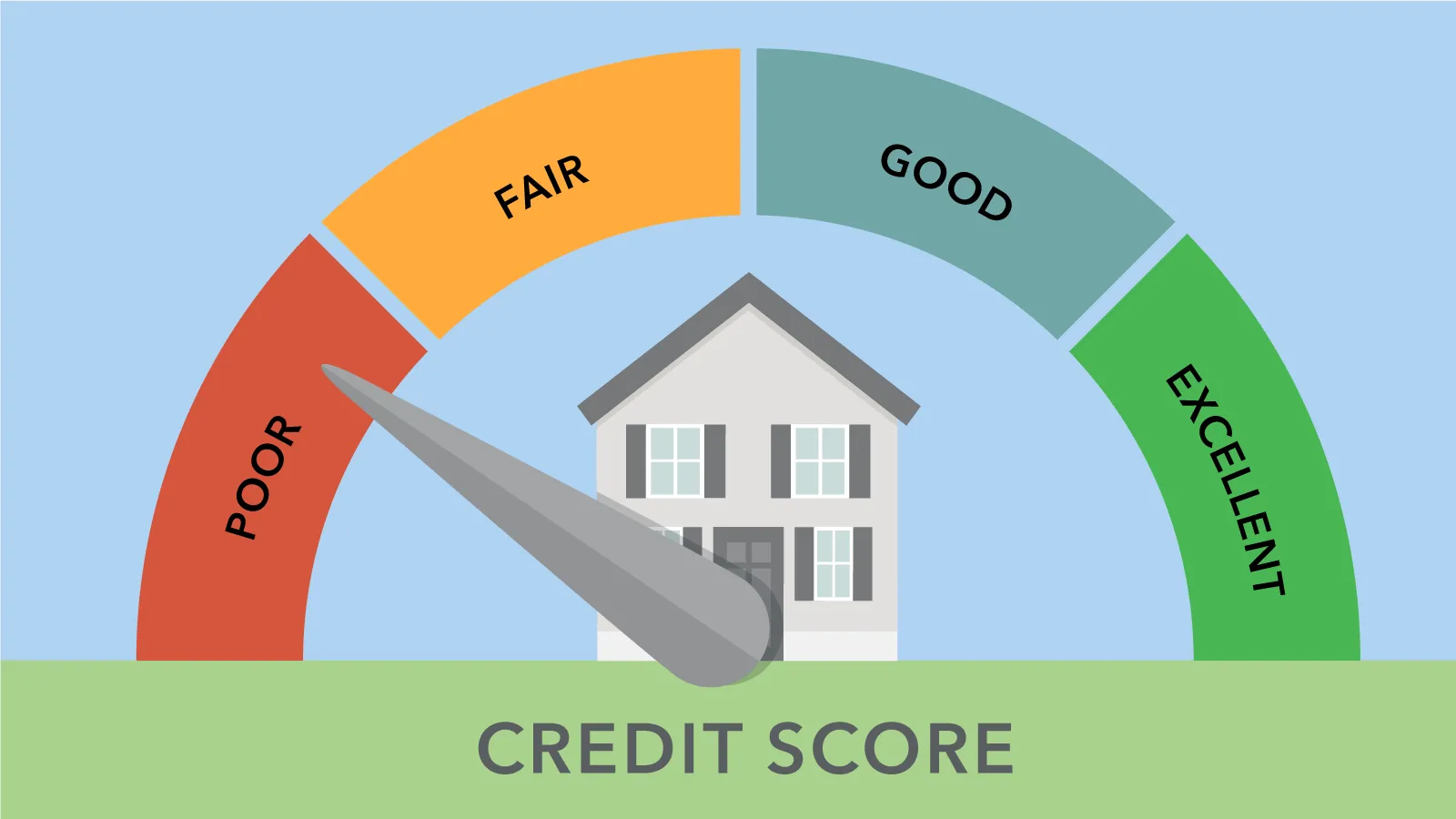
Bad Credit Score

How to Get Approved for a Car Loan, Even With Bad Credit

How to Get Approved for a Car Loan, Even With Bad Credit How to Get Approved for a Car Loan, Even With Bad Credit The short answer: Yes, you can get a car loan with bad credit. There's no universal minimum credit score, and lenders look at much more than your score. To improve your odds, know your credit, show steady income, make a bigger down payment, keep your loan amount and payment affordable, consider a co-signer, and shop for financing within a short window. Then pay on time to rebuild your credit for next time. Introduction If your credit has taken a few hits from medical bills, a job loss, a divorce, or just a rough couple of years, the idea of applying for a car loan can feel intimidating. You might worry about being turned down, embarrassed at the dealership, or stuck with a payment you can't afford. Here's the reality: many buyers with less-than-perfect credit are approved for auto loans every day. Your credit score matters, but it's only one part of the picture. Lenders also look at your income, your job stability, your existing debts, your down payment and the vehicle you choose. Improve even a few of those factors, and your chances of approval, and the rate you're offered, can change significantly. This guide explains exactly what auto lenders look at, gives you ten practical steps to improve your odds, shows how much a better rate can save you, and covers the documents to bring and the mistakes to avoid. Whether your credit is bruised, rebuilding or brand new, you'll walk into the dealership prepared. What Counts as "Bad Credit" for a Car Loan? Credit scores generally range from 300 to 850. Experian, one of the three major credit bureaus, groups auto borrowers into five tiers. Here's how average auto loan rates compared across those tiers in the second quarter of 2026: Credit tier Score range Average new car APR Average used car APR Super prime 781–850 4.41% 6.29% Prime 661–780 6.15% 8.81% Near prime 601–660 9.71% 13.93% Subprime 501–600 13.52% 19.10% Deep subprime 300–500 16.11% 21.62% Experian data as of Q2 2026, based on VantageScore 4.0. Your actual rate depends on your full credit profile, the vehicle, the loan term and your down payment. Borrowers in the subprime and deep subprime tiers are generally considered to have "bad credit" for auto lending purposes. You'll pay a higher rate than a prime borrower, but you can still get approved, and every step you take to strengthen your application can move you toward a better tier and a lower rate. What Auto Lenders Actually Look At According to the Consumer Financial Protection Bureau (CFPB), lenders consider several factors when deciding whether to approve you and what rate to offer: Your credit history and scores: especially how you've handled past car loans, plus any recent late payments, collections, repossessions or bankruptcies. Your income: lenders want to see that you can afford the payment. Many subprime auto lenders look for a minimum of about $1,500 to $2,000 a month in pre-tax income. Your existing debts: your debt-to-income (DTI) ratio compares your monthly debt payments to your monthly income. Your payment-to-income (PTI) ratio: many lenders want the new car payment to be no more than about 15 to 20 percent of your gross monthly income. Your down payment: more money down means less risk for the lender. The loan amount and term: smaller loans and shorter terms are easier to approve. The vehicle: its age, mileage and value affect how much a lender will finance. Quick math: If you earn $3,000 a month before taxes, a 15 to 20 percent payment-to-income limit means lenders may cap your car payment at about $450 to $600 a month. Knowing this number before you shop helps you focus on vehicles you're likely to be approved for. 10 Ways to Improve Your Chances of Car Loan Approval 1. Check Your Credit Reports and Scores First Before you apply anywhere, know where you stand. You can get free credit reports from all three bureaus at AnnualCreditReport.com. Review them carefully for errors, such as accounts that aren't yours, payments marked late that were on time, or debts that should have dropped off. Disputing and correcting errors can raise your score, sometimes quickly. Knowing your score also helps you set realistic expectations and spot an offer that's out of line. 2. Know Your Budget Before You Shop Decide on a monthly payment you can comfortably afford, then remember the total cost of owning a car includes insurance, fuel, maintenance, registration and taxes too. Use our payment calculator to see how price, rate and term affect your payment. Going in with a firm budget keeps you from stretching into a loan that's hard to repay, and an affordable loan is one you'll actually pay on time. 3. Save for a Bigger Down Payment According to Experian, lenders often require a minimum down payment of about 10 percent of the sale price for borrowers with bad credit. Putting down more than the minimum is one of the most powerful things you can do. It reduces how much you need to borrow, lowers your monthly payment and total interest, and shows the lender you have a financial stake in the vehicle. 4. Use Your Trade-In If you have a vehicle to trade, its equity works just like a cash down payment. Even an older car can be worth more than you think. Get an estimate with our What's My Buying Power tool so you know its value before you negotiate. 5. Show Stable Income and Employment Lenders look for proof that you can make payments consistently. Steady employment, ideally with the same employer for a while, and verifiable income both help. If you have additional income, such as a second job, Social Security, disability, alimony or child support, include it if you're comfortable doing so and can document it. 6. Pay Down Other Debts if You Can Lowering your credit card balances before you apply can reduce your debt-to-income ratio and may raise your credit score, since amounts owed make up about 30 percent of a FICO® Score. Even paying down one card can help. 7. Consider a Co-Signer A co-signer with good credit and stable income can significantly improve your chances of approval and may help you get a lower rate. But it's a serious commitment. The co-signer is legally responsible for the loan if you don't pay, and the loan appears on their credit report. Only ask someone you trust, and only if you're confident you can make every payment. 8. Choose an Affordable Vehicle The smaller the loan, the easier it is to approve and repay. Experian's analysis shows how loan size affects cost: at the same high interest rate, a much smaller loan can mean dramatically less total interest. Consider: Efficient, affordable new models like the Hyundai Elantra and Hyundai Kona, which also tend to have lower insurance and fuel costs. Certified pre-owned vehicles, which cost less than new and come with an inspection and added warranty coverage. Browse our certified pre-owned inventory. Budget-friendly used vehicles, including our cars under $15,000. 9. Get Pre-Qualified and Shop Smart Pre-qualification often uses a soft credit check that doesn't affect your score, and it gives you a sense of what you may be approved for. When you're ready to formally apply, keep all your auto loan applications within a short window. FICO® Scores count multiple auto loan inquiries within 14 to 45 days (depending on the scoring version) as a single inquiry, so aim to finish within about two weeks. The CFPB also notes that lenders aren't required to offer you their best rate, so it pays to compare offers. You can apply at banks, credit unions and online lenders, and you can also let the dealership's finance team shop your application to its network of lenders. 10. Choose a Shorter Loan Term if You Can Afford It Longer loans, such as 72 or 84 months, lower your monthly payment but increase total interest, and that effect is bigger at higher rates. A longer loan also keeps you owing more than the car is worth for longer. If the payment on a shorter term fits your budget, it can save you a lot of money and help you build equity faster. How Much a Better Rate and Down Payment Can Save Small improvements to your application can make a big difference. Here's what a $25,000, 60-month loan would cost at the average new-car rates for each credit tier in Q2 2026: Credit tier (avg. new APR) Monthly payment Total interest over 5 years Prime (6.15%) $485 $4,104 Near prime (9.71%) $528 $6,657 Subprime (13.52%) $576 $9,530 Deep subprime (16.11%) $609 $11,565 And here's how a bigger down payment changes the same subprime loan at 13.52% APR over 60 months: Amount financed Monthly payment Total interest $25,000 (no extra down) $576 $9,530 $22,500 ($2,500 more down) $518 $8,577 $20,000 ($5,000 more down) $460 $7,624 Illustrative calculations only, before taxes and fees. Your rate and terms depend on credit approval and lender programs. Moving up just one credit tier, from subprime to near prime, would save nearly $2,900 in interest on this example loan. That's why the steps above, and paying your loan on time afterward, are so valuable. Documents to Bring to the Dealership Coming prepared speeds up the approval process and shows lenders you're organized and serious. Bring: A valid driver's license Proof of income, such as your two or three most recent pay stubs; if you're self-employed, recent tax returns or bank statements Proof of residence, such as a recent utility bill or lease agreement with your current address Proof of insurance, or your insurance agent's contact information A list of personal references, which some lenders request Your down payment, by check, debit card or another method the dealership accepts Your trade-in's title or loan payoff information, and its registration and keys Mistakes to Avoid When You Have Bad Credit Focusing only on the monthly payment. A low payment can hide a very long term and thousands in extra interest. Look at the APR, term and total cost. Spreading applications over weeks. Keep rate shopping within a short window so inquiries are counted as one. Stretching your budget. A payment you can't comfortably make puts your credit at risk all over again. Rolling negative equity into a new loan without understanding the cost. If you owe more on your trade-in than it's worth, that balance can be added to your new loan. Signing before you understand the terms. Read the contract, and ask questions about anything unclear, including add-on products, which are optional. Skipping insurance. Lenders require full coverage on financed vehicles, so get a quote before you buy. Dealership Financing vs. Buy-Here-Pay-Here Lots When you have bad credit, you may see "buy here, pay here" (BHPH) lots advertising guaranteed approval. These dealers finance vehicles themselves, and they can be an option for some buyers. But they often charge higher interest rates, may offer older vehicles with higher mileage, and don't always report on-time payments to the credit bureaus, which means you may not rebuild your credit. A franchise dealership like McCarthy Olathe Hyundai works with a network of banks, credit unions and specialty lenders, including lenders that focus on helping buyers rebuild credit. That gives you more options, newer and certified vehicles to choose from, and loans that are reported to the credit bureaus, so on-time payments help you rebuild. Learn more on our bad credit financing page. After You're Approved: Rebuild Your Credit Getting approved is the start of the comeback. An auto loan paid on time is one of the most effective ways to rebuild your credit, because payment history is the biggest factor in your credit score. Set up autopay, keep your payment affordable, and watch your score improve over time. After six to twelve months of on-time payments, you may even qualify to refinance at a lower rate. Learn how it works in our guide: Does financing a car build credit? Want to boost your score before you buy? Read 6 tips to fix your credit score fast and get a better car loan. Ask about special programs. Hyundai offers programs that may help eligible buyers, including the college graduate program and the military program. Our finance team can tell you which ones you may qualify for. Get Pre-Qualified at McCarthy Olathe Hyundai Our finance team works with buyers in every credit situation, from first-time buyers to drivers rebuilding after bankruptcy. Apply online in minutes, and we'll work with our lender network to find a loan that fits your budget. No judgment, just real options. Apply for Financing Bad Credit Financing Frequently Asked Questions Can I get a car loan with bad credit? Yes. According to Experian, there isn't an overall minimum credit score to get a car loan. Some lenders set their own minimums, but others work with borrowers who have low scores or no credit history. You can expect a higher interest rate, and a larger down payment, steady income, a co-signer or an affordable vehicle can all improve your chances and your terms. What credit score do I need to buy a car? There is no universal minimum. Lenders look at your whole financial picture, including income, existing debt and down payment, not just your score. To qualify for the lowest rates, Experian suggests aiming for a VantageScore of 661 or higher or a FICO Score of 670 or higher, but many buyers with lower scores are approved every day. How much down payment do I need with bad credit? According to Experian, lenders often require a minimum down payment of about 10 percent of the sale price when you have bad credit. Putting down more than the minimum lowers the amount you borrow, reduces your monthly payment and total interest, and can help you qualify for better terms. A trade-in can count toward your down payment. How much income do I need to get a car loan with bad credit? Requirements vary by lender, but many subprime auto lenders look for a minimum of about $1,500 to $2,000 a month in pre-tax income. Lenders also typically want your car payment to be no more than about 15 to 20 percent of your gross monthly income. Does a co-signer help get a car loan approved? Yes. A co-signer with good credit and stable income can improve your chances of approval and may help you get a lower interest rate. Keep in mind that the co-signer is legally responsible for the loan if you don't pay, and the loan will appear on their credit report. Should I get pre-qualified before going to the dealership? It's a good idea. Pre-qualification often uses a soft credit check that doesn't affect your score and gives you an idea of what you may qualify for. When you formally apply, do all of your rate shopping within a short window, about 14 days, so multiple auto loan inquiries are typically counted as one. Can I refinance a bad credit car loan later? Often, yes. After six to twelve months of on-time payments, and as your credit score improves, you may qualify to refinance at a lower rate. Check your loan contract for any prepayment terms and compare offers before refinancing. Conclusion Bad credit can make getting a car loan more challenging, but it doesn't have to stop you. Lenders look at your whole financial picture, and you have more control over it than you might think. Check your credit, set a realistic budget, save for a larger down payment, use your trade-in, show steady income, choose an affordable vehicle and shop for financing within a short window. Each step improves your chances of approval and can lower the rate you pay. Once you're approved, every on-time payment helps rebuild your credit, setting you up for an even better rate on your next vehicle. Ready to take the next step? The finance team at McCarthy Olathe Hyundai is here to help, whatever your credit history. Apply for financing online or visit us in Olathe to get started. This article is for general educational purposes and isn't financial or legal advice. All financing is subject to credit approval. Rates and terms vary by lender, credit history and vehicle.

Hyundai technician inspecting a wheel bearing and brakes on a lifted SUV at McCarthy Olathe Hyundai

Car Making Noise While Driving? Humming, Whining, Grinding and Clunking Explained

Car Making Noise While Driving? Humming, Whining and Grinding Explained Car Making Noise While Driving? Humming, Whining, Grinding and Clunking Explained The short answer: Humming that grows louder with speed usually comes from tires or a wheel bearing. Whining often points to the transmission, differential or an accessory. Grinding when braking typically means worn brake pads. Clicking when turning suggests a worn CV joint, and clunking over bumps points to suspension parts. The key to narrowing it down is noticing when the noise happens. Introduction You're cruising down I-35 or K-10, the radio's down, and you notice it: a hum that wasn't there last week. Or maybe it's a grind when you brake at a stoplight on 135th Street, or a clunk every time you go over the railroad tracks. Once you hear a new noise, it's hard to ignore it, and it's natural to wonder whether it's serious. Most noises that show up while you're driving come from the parts that work hardest when the car is moving: tires, wheel bearings, brakes, suspension, steering and the drivetrain. Each one tends to make a distinctive sound under specific conditions. That's good news, because if you pay attention to what the noise sounds like and when it happens, you can usually narrow down the cause before you ever open the hood. This guide covers the noises our service technicians hear about most, what they usually mean, and how urgent each one is. If your noise happens mainly when you first start the car, see our companion guide: Why does my car make a noise when I start it? First, Ask These 5 Questions Before you try to identify the noise, take note of the conditions. These clues help you, and your technician, find the cause much faster: Does it change with vehicle speed or engine speed? A noise that rises with how fast the car is moving, even if you shift into neutral, usually comes from tires, bearings, brakes or the driveline. A noise that rises with engine RPM, even when parked, usually comes from the engine or its accessories. Does it happen when braking? Brake-related noises usually start or change when you press the pedal. Does it happen when turning? Turning loads the suspension, steering and wheel bearings differently. Note whether it's worse turning left or right. Does it happen over bumps? Clunks and rattles over bumps usually point to suspension, steering or loose parts. Where does it seem to come from? Front or rear? Left or right? Under the car or inside the cabin? Driving Noise Quick Reference What you hear, and when Most likely cause How urgent? Humming or droning that rises with speed Tire wear or a worn wheel bearing Medium: check soon Hum that changes when turning one direction Wheel bearing (often on the opposite side) Medium to high Whining that rises with speed Differential or transmission Medium to high Whining that rises with engine RPM Alternator, pulley or other accessory Medium High-pitched squeal when braking Brake pad wear indicator Medium: book brake service Harsh grinding when braking Brake pads worn to metal High: service now Clicking or popping in tight turns Worn CV joint Medium to high Clunking over bumps Sway bar links, ball joints, bushings, struts Medium to high Rattling under the car Loose heat shield or exhaust part Low to medium Roaring or rumbling when accelerating Exhaust leak Medium Rhythmic thumping or flapping Tire damage or object in the tire High: pull over safely Whistling at highway speed Door or window seal, roof rack Low Humming or Droning Noise While Driving A low hum, drone or "growl" that gets louder as you go faster is one of the most common complaints we hear. It almost always comes from one of two places. Tires Tires naturally make some road noise, but certain conditions make them much louder: Uneven wear, such as "cupping" (scalloped dips around the tread) or "feathering" (tread blocks worn at an angle). These are often caused by worn suspension parts, poor alignment or skipped tire rotations. Aggressive tread, like all-terrain or winter tires, which are noisier by design. Underinflation, which changes how the tread contacts the road. Tire noise often changes as you drive over different road surfaces, such as smooth new asphalt versus rough concrete. Run your hand carefully over the tread when the car is parked. If it feels wavy or saw-toothed, uneven wear is likely. Keeping up with tire rotations and alignment checks helps prevent it. Find the right replacement set at our Hyundai tire center. Wheel Bearings Each wheel spins on a sealed bearing. When a bearing starts to wear out, it typically produces a steady hum or growl that rises with vehicle speed and doesn't change much with the road surface. Here's a useful test: on a safe, empty road, gently weave left and right. Turning shifts the car's weight onto the bearings on the outside of the turn. If the noise gets louder when you turn left, the right-side bearing is a likely suspect, and vice versa. Other signs of a failing wheel bearing include a vibration you can feel in the steering wheel or floor, and in some cases an ABS warning light, because many bearings house the wheel speed sensor. A worn bearing will get louder over time and can eventually affect steering and safety, so have it checked soon. Whining Noise While Driving A whine is a higher-pitched, steady tone. The trick to identifying it is noticing whether it follows vehicle speed or engine speed. Whine that rises with vehicle speed: This can come from the differential, which splits power between the wheels, or from the transmission. On all-wheel-drive vehicles, including Hyundai models with HTRAC AWD such as the Tucson and Santa Fe, the rear differential and transfer components are also possibilities. Low or old fluid is a common contributor. Whine that rises with engine RPM: If the whine changes when you rev the engine in park, the source is likely under the hood, such as the alternator, a belt-driven pulley or tensioner, or on some vehicles a hydraulic power steering pump. Most newer Hyundai models use electric power steering, so a steering whine on those vehicles is less likely to be fluid-related. Whine when turning the steering wheel: On vehicles with hydraulic power steering, low fluid can cause a whine when turning. On any vehicle, a new steering noise is worth having checked. Transmission and differential problems are much easier and less expensive to address early, so don't let a new whine go unchecked for long. Grinding Noise While Driving or Braking Grinding When You Brake Grinding while braking is one of the most important noises to take seriously. Here's how to tell the difference between harmless and serious: Usually harmless: A light scraping or grinding for the first few stops after rain, snow or a car wash. Brake rotors are bare iron and develop a thin layer of surface rust quickly. It wears off within a few stops. Serious: A harsh, metal-on-metal grind that continues every time you brake. This usually means the brake pads have worn through their friction material, and the metal backing plates are scraping the rotors. Stopping distances increase, and the rotors can be damaged quickly. Grinding can also come from a small stone or piece of debris caught between the rotor and the brake dust shield. That often sounds like a constant scraping that comes and goes. It's usually an easy fix, but have it checked to rule out worn pads. Don't wait on brake grinding. If you hear continuous metal-on-metal grinding when you brake, schedule brake service right away. Learn more on our Hyundai brake service page. Grinding When Not Braking A grinding or growling noise while driving, without touching the brakes, can come from a badly worn wheel bearing, a worn CV joint, or a brake component that's dragging. Any grinding sound that's new should be inspected promptly. Squealing or Squeaking While Driving Squeal when braking: Many brake pads have a small metal tab called a wear indicator. When the pad wears down to a certain thickness, the tab contacts the rotor and makes a high-pitched squeal. It's designed to get your attention before the pads wear out completely, so it's time to book a brake inspection. Squeak over bumps or when turning: This often comes from dry or worn suspension bushings, ball joints or strut mounts. Rubber bushings dry out and harden over time, especially after years of temperature swings. Squeal when accelerating: This typically points to a slipping drive belt. If you hear it mainly at startup, our startup noise guide covers it in detail. Clicking or Popping When Turning A rhythmic clicking or popping sound when you turn, especially during slow, tight turns like pulling into a parking spot, is a classic sign of a worn outer CV (constant velocity) joint. CV joints are part of the axles that deliver power to the wheels while allowing them to steer and move up and down. Each CV joint is packed with grease and sealed by a flexible rubber boot. If the boot tears, the grease escapes and dirt and water get in, which wears the joint quickly. A torn boot can sometimes be spotted as grease splattered on the inside of the wheel. Caught early, a torn boot can be addressed before the joint fails. If the clicking is already present, the axle or joint typically needs replacement. Don't put it off, because a CV joint that fails completely can leave you unable to drive. Clunking or Knocking Over Bumps A clunk, knock or thud when you go over bumps, potholes or railroad tracks almost always points to the suspension or steering system. Common culprits include: Sway bar (stabilizer) links: a very common source of clunks over uneven pavement. Ball joints: these connect the wheels to the suspension and allow steering movement. Control arm bushings: rubber cushions that absorb movement and wear out over time. Shocks and struts: worn units can clunk and also make the car feel bouncy or floaty. Strut mounts: can clunk or creak when turning or over bumps. Suspension and steering parts directly affect handling and braking, so a new clunk deserves a prompt inspection, especially after a hard pothole hit. Kansas City's freeze-thaw cycles create plenty of potholes every late winter and spring. Rattling, Roaring and Thumping Rattling From Underneath A tinny rattle from under the car, often at idle or certain speeds, is frequently a loose heat shield. These thin metal panels protect the underbody from the hot exhaust, and road salt can rust their mounting points. A loose exhaust clamp or hanger can also rattle. Before you book service, check for loose items inside the car, too: a water bottle under the seat or items in the door pockets can sound surprisingly mechanical. Roaring or Rumbling When Accelerating If your car suddenly sounds louder or "sportier" when you accelerate, an exhaust leak is a likely cause. Besides the noise, exhaust leaks can let fumes reach the cabin. If you smell exhaust inside the car, roll the windows down and have it inspected promptly. Thumping or Flapping A rhythmic thump-thump-thump that speeds up as you go faster can mean a damaged tire, such as a bulge in the sidewall or separated tread, a flat spot, or something stuck in the tread. A flapping sound can mean tread separation or a loose underbody panel. Pull over somewhere safe and inspect your tires. A damaged tire can fail suddenly. Whistling and Wind Noise A whistle or rushing sound that appears at highway speeds and changes with wind direction usually comes from worn or misaligned door and window seals, or from roof racks and crossbars. It isn't a safety issue, but it can be annoying on long drives. A technician can check the seals and alignment of the doors and windows. Normal Sounds in Hyundai Hybrids and EVs If you've recently switched to a Hyundai hybrid or electric vehicle, some sounds may be new to you, but completely normal: Electric motor whir: Electric motors make a light, smooth whir that rises with speed, and you may notice it more during regenerative braking. Pedestrian alert sound: Federal safety standards require hybrid and electric vehicles to make an exterior alert sound at low speeds, up to about 18.6 mph, so pedestrians and cyclists can hear them coming. Engine starting and stopping: In a hybrid, the gas engine turns on and off on its own while you drive. That's the hybrid system working as designed. Learn more in our guide: Do Hyundai hybrids need to be plugged in? Pumps and fans: Cooling pumps and fans for the battery and electronics may run while driving, charging or after you park. Because EVs and hybrids are so quiet, tire, wind and suspension noises can be more noticeable than in a gas car. That doesn't mean something is wrong, but any new grinding, clunking or harsh whining should still be checked. What to Do When You Hear a New Noise Note the conditions. Write down the speed, whether you were braking, turning or accelerating, and whether the road was rough or smooth. Record it safely. Have a passenger record a short video with sound. Never record while you're driving. Check your tires. Look for low pressure, bulges, objects in the tread or uneven wear. Look for warning lights. Note any brake, ABS, check engine, temperature or tire pressure lights. Remove loose items. Clear out the trunk, door pockets and under the seats to rule out rattles. Schedule an inspection. Bring your notes and video. A road test with a technician is often the fastest way to find the source. Pull over safely and call for help if: You hear harsh metal-on-metal grinding every time you brake, or the brake pedal feels different You hear a loud thumping or flapping from a tire The noise comes with a strong vibration through the steering wheel or floor The car pulls hard to one side or steering suddenly feels loose You see smoke, smell burning, or a red warning light comes on Prevention tip: Many driving noises trace back to wear that's caught during routine maintenance. Regular tire rotations, alignment checks and brake inspections help spot problems early. Check our service specials for current savings, and get ready for cold weather with our Kansas City winter car prep checklist. Let Our Technicians Track Down That Noise Our Hyundai-certified technicians at McCarthy Olathe Hyundai can road-test your vehicle, inspect your brakes, tires, wheel bearings and suspension, and find the source of that noise using genuine Hyundai parts. Bring your notes and phone video, and we'll take it from there. Schedule Service Brake Service Frequently Asked Questions Why does my car make a humming noise that gets louder as I speed up? The two most common causes are tires and wheel bearings. Tire noise usually changes with the road surface and often comes from uneven wear. Wheel bearing noise is a steady hum or growl that rises with speed and often gets louder when you turn one direction, because turning puts more weight on the bearing on the opposite side. How can I tell if it's a wheel bearing or tire noise? Tire noise tends to change as you drive over different road surfaces. Wheel bearing noise stays fairly consistent on any surface and often changes when you gently weave or turn. If the noise gets louder in a left turn, the right-side bearing is a likely suspect, and vice versa. A technician can confirm by lifting the car and checking each wheel for roughness or play. Why do my brakes grind? A light grinding sound for the first few stops after rain or a car wash is usually surface rust on the rotors and goes away quickly. Grinding that continues, especially a harsh metal-on-metal sound, usually means the brake pads are worn down to their metal backing plates. Have your brakes inspected right away, because worn pads reduce stopping power and can damage the rotors. What does a clicking noise when turning mean? A rhythmic clicking or popping noise when you turn, especially during sharp, slow turns like in a parking lot, is a classic sign of a worn outer CV (constant velocity) joint. These joints are protected by rubber boots, and a torn boot lets grease escape and dirt in. Have it inspected soon, because a failed CV joint can leave you unable to drive. Why does my car clunk when I go over bumps? Clunking over bumps usually points to worn suspension or steering parts, such as sway bar links, ball joints, control arm bushings, or shocks and struts. Some of these parts affect steering and handling, so have the suspension inspected promptly, especially after hitting a pothole. Is it normal for my electric or hybrid Hyundai to make a whirring sound? Yes. Electric motors make a light whir or hum, and you may hear it more during regenerative braking. Federal rules also require hybrid and electric vehicles to make an exterior alert sound at low speeds, up to about 18.6 mph, so pedestrians can hear them coming. New grinding, clunking or loud whining is not normal and should be checked. When should I stop driving if my car is making noise? Pull over safely and call for help if you hear a loud metal-on-metal grinding from the brakes, a heavy knocking from the engine, a loud flapping or thumping from a tire, or if the noise comes with a warning light, smoke, a burning smell, a vibration through the steering wheel or a change in how the car steers or stops. Conclusion A new noise while driving is your car's way of telling you something has changed. Humming usually points to tires or wheel bearings, whining to the drivetrain or an accessory, grinding to the brakes, clicking in turns to a CV joint, and clunking over bumps to the suspension. Paying attention to when the noise happens, whether at certain speeds, when braking, when turning or over bumps, is the fastest way to narrow down the cause. Most of these problems are simpler and less expensive to fix when they're caught early, before a worn part damages the parts around it. If you're hearing something new, don't turn up the radio and hope it goes away. Schedule service at McCarthy Olathe Hyundai, and our technicians will find the source and get you back to quiet, confident driving. Want to learn about more sounds? Read our guide to 6 weird car sounds and what they could mean.