
Blog

Do Hyundai Hybrids Need to Be Plugged In? Hybrid vs Plug-In Hybrid vs EV Explained

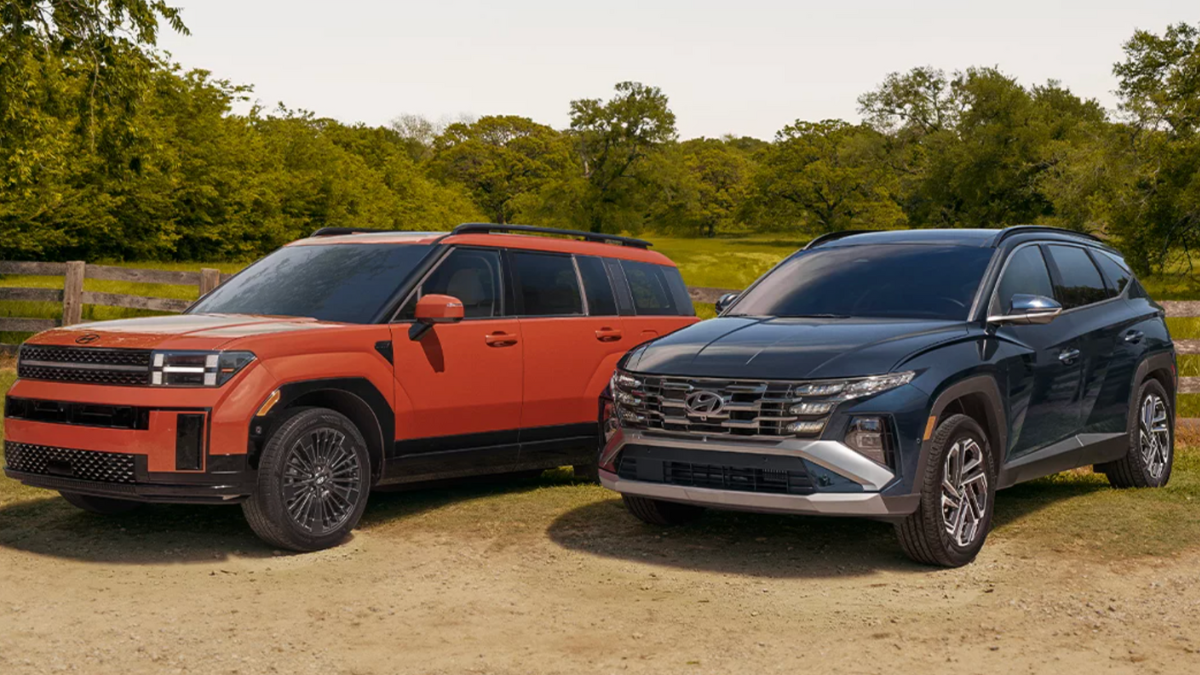
2026 Hyundai Tucson Hybrid driving on a suburban road in Olathe, Kansas

Do Hyundai Hybrids Need to Be Plugged In? Hybrid vs Plug-In vs EV

Do Hyundai Hybrids Need to Be Plugged In? Hybrid vs Plug-In Hybrid vs EV Explained

Short answer: no. Regular Hyundai hybrids, including the Elantra Hybrid, Sonata Hybrid, Tucson Hybrid, Santa Fe Hybrid and Palisade Hybrid, don't have a charging port and never need to be plugged in. They recharge their own batteries while you drive. Only the Tucson Plug-in Hybrid and Hyundai's all-electric IONIQ and Kona Electric models plug in.

Introduction

"Do I have to plug it in?" is one of the most common questions we hear from shoppers looking at a Hyundai hybrid. It's an understandable mix-up. Hybrids, plug-in hybrids and electric vehicles all use batteries and electric motors, and the names sound alike. But how you live with each one day to day, and how you fuel it, is very different.

The difference matters most if you don't have a garage outlet, you rent your home, or you drive long distances across Kansas and Missouri where chargers are spread out. Picking the wrong type can mean paying for capability you won't use, or ending up with a car that doesn't fit your routine.

This guide explains how each type of Hyundai works, whether it needs to be plugged in, what fuel economy and range to expect from the 2026 lineup, and how to decide which is right for you. All figures are EPA estimates for 2026 models, and your actual results will vary with how and where you drive.

The Three Types of Electrified Hyundai at a Glance

Hybrid (HEV)Plug-in Hybrid (PHEV)Electric (EV)
Needs to be plugged in?No, neverOptional, but recommendedYes, always
Uses gasoline?YesYes, after the battery runs lowNo
All-electric drivingShort bursts at low speedAbout 32 miles (Tucson PHEV)Every mile
Battery sizeSmallMedium (13.8 kWh in Tucson PHEV)Large
Range anxiety?NoneNonePlan around charging
2026 Hyundai modelsElantra Hybrid, Sonata Hybrid, Tucson Hybrid, Santa Fe Hybrid, Palisade HybridTucson Plug-in HybridIONIQ 5, IONIQ 6, IONIQ 9, Kona Electric

How a Regular Hyundai Hybrid Works (No Plug Required)

A standard hybrid, sometimes called a "self-charging" hybrid, pairs a gas engine with an electric motor and a small battery. You fill it up at the gas station just like any other car. There's no charging port, no cord and nothing new to learn.

The battery charges in two ways:

  • Regenerative braking: When you slow down or coast, the electric motor works in reverse as a generator. It turns the energy that would normally be lost as heat in the brakes into electricity and stores it in the battery.
  • The gas engine: When the battery needs it, the engine sends some of its power to recharge the battery while you drive.

The car's computer then decides, moment by moment, how to use that stored energy. The electric motor helps the engine when you accelerate, which is when a gas engine is least efficient. At low speeds, such as pulling out of a parking spot or creeping through traffic on 119th Street, the hybrid can run on electricity alone with the engine off. At a red light, the engine shuts down completely.

That's where the fuel savings come from. Hybrids shine in stop-and-go city and suburban driving, where there's lots of braking to recapture and lots of idling to eliminate.

Good to know: Hyundai hybrids use a conventional multi-speed transmission instead of the continuously variable transmission (CVT) used in many competing hybrids. Many drivers find this makes them feel more like a regular gas car when accelerating.

2026 Hyundai Hybrid Fuel Economy

ModelTypeSeatsEPA combined MPG
Elantra HybridCompact sedan554 (Blue); 50 (SEL Sport, Limited)
Sonata HybridMidsize sedan5Up to 51 (Blue)
Tucson HybridCompact SUV538 (Blue SE AWD); 36 (other AWD trims)
Santa Fe HybridMidsize 3-row SUV6–736 (FWD); 34 (AWD)
Palisade HybridLarge 3-row SUV7–8Up to 34

EPA estimates for 2026 models. Actual mileage will vary with options, driving conditions, driving habits and vehicle condition. Palisade Hybrid figure is the best-case rating; AWD upper trims are rated lower (29 mpg combined for the AWD Calligraphy).

Put those numbers in context: a gas-only 2026 Santa Fe with front-wheel drive is rated at 24 mpg combined. The Santa Fe Hybrid's 36 mpg rating means it can go roughly 50 percent farther on a gallon, with no change at all to how you fuel it.

Hybrid power doesn't mean giving up performance, either. The new Palisade Hybrid pairs a 2.5-liter turbocharged engine with two electric motors for 329 horsepower and 339 lb-ft of combined torque, more than the 287-hp V6 in the standard Palisade. It can still tow up to 4,000 pounds with trailer brakes.

See every hybrid we carry on our Hyundai hybrid cars page.

How a Hyundai Plug-In Hybrid Works

A plug-in hybrid (PHEV) is a hybrid with a much larger battery and a charging port. Hyundai's 2026 plug-in hybrid is the Tucson Plug-in Hybrid. Its 13.8-kWh battery gives it an EPA-estimated 32 miles of all-electric range.

Here's how it works in practice. You plug it in overnight at home. The next morning, you start with a full battery and drive on electricity alone for roughly the first 30 miles. For many people in Olathe and Overland Park, that covers the daily commute, school drop-off and errands without using a drop of gas. When the battery runs low, the Tucson PHEV automatically switches to hybrid mode and keeps going like a regular hybrid, earning an EPA-estimated 35 mpg combined.

Do you have to plug in a plug-in hybrid?

No. A plug-in hybrid will drive perfectly well if you never charge it. It simply acts like a regular hybrid. But if you never plug it in, you're carrying a bigger, heavier battery without getting its main benefit. A PHEV makes the most sense when you can charge it regularly.

How long does it take to charge?

  • Level 2 (240-volt) charger: About 2 hours from empty to full on the Tucson PHEV. This is the type of charger you'd install in a garage or find at many workplaces and shopping centers.
  • Level 1 (standard 120-volt household outlet): Much slower, but with a battery this size, plugging in overnight on an ordinary outlet is enough for many owners.

For 2026, Hyundai upgraded the Tucson Plug-in Hybrid's included charging cable to a combination Level 1/Level 2 cord, so you can use it with either a standard outlet or a 240-volt outlet.

How a Hyundai Electric Vehicle Works

A battery electric vehicle (EV) has no gas engine at all. It runs entirely on electricity stored in a large battery pack, which you recharge by plugging in at home, at work or at a public charging station. EVs produce no tailpipe emissions and need no oil changes.

Hyundai's 2026 EV lineup includes:

  • IONIQ 5: A midsize electric crossover with an EPA-estimated range of up to 318 miles on Long Range versions, or 245 miles for the SE Standard Range. The rugged XRT is rated at up to 259 miles.
  • IONIQ 9: Hyundai's first three-row EV, with a 110.3-kWh battery and up to 335 miles of EPA-estimated range. On a 350-kW DC fast charger it can charge from 10 to 80 percent in about 24 minutes, and it can tow up to 5,000 pounds.
  • Kona Electric: A subcompact electric SUV. The 2026 SE uses a 48.6-kWh battery with an EPA-estimated 200 miles of range.
  • IONIQ 6: A sleek electric sedan. Ask us about current availability and trims.

Most EV owners do the bulk of their charging at home overnight on a Level 2 charger, then use DC fast chargers on road trips. Learn more on our Hyundai EV research page or browse the IONIQ 5.

Hybrid vs Plug-In Hybrid vs EV: Pros and Cons

Regular Hybrid

  • Pros: No change to your routine, no charging equipment needed, big fuel savings in city driving, no range anxiety, typically the lowest price of the three.
  • Cons: Still burns gasoline on every trip; savings are smaller on steady highway drives.

Plug-In Hybrid

  • Pros: Gas-free commuting for short daily drives, plus unlimited range on road trips. A good stepping stone to electric driving.
  • Cons: Costs more than a regular hybrid; you need regular access to a plug to get the full benefit; the bigger battery takes up some cargo space.

Electric Vehicle

  • Pros: No gas or oil changes, quiet and quick acceleration, lowest cost per mile when charging at home, and features like vehicle-to-load (V2L) power on many models.
  • Cons: Requires home or reliable public charging; road trips need some charging planning; range drops noticeably in cold weather.

Which Type Is Right for You?

The right choice comes down to two questions: Can you charge at home? and How far do you drive each day?

Your situationBest fit
No garage or home outlet; you live in an apartment or rentRegular hybrid
Long highway commutes or frequent road trips across KansasRegular hybrid
Short daily commute (under about 30 miles) and you can charge at homePlug-in hybrid
Want to try electric driving without giving up gas backupPlug-in hybrid
Home charging and mostly local driving; want zero gasElectric vehicle
Need a 3-row family SUV with great fuel economySanta Fe Hybrid or Palisade Hybrid; IONIQ 9 if you can charge at home

If you're unsure, a regular hybrid is the safest choice. It saves fuel for nearly every driver, in every situation, without requiring anything new from you.

Hybrids and EVs in Kansas City Weather

Kansas City summers are hot, and winters bring single-digit cold snaps. Here's how each type handles the extremes.

Regular hybrids barely notice. Because you refuel at a gas station, cold weather doesn't change your routine. You may see slightly lower winter fuel economy, since the engine runs more often to warm itself and heat the cabin. That's normal.

Plug-in hybrids will deliver fewer electric miles in cold weather, but the gas engine is always there as backup, so you'll never be stranded.

EVs are the most affected. In AAA testing, electric vehicle range dropped an average of 41 percent at 20°F with the heater running. You can reduce that by keeping the car plugged in overnight and preconditioning the cabin while it's still connected. For more cold-weather tips, read our Kansas City winter car prep checklist.

Need all-weather grip? The Tucson Hybrid, Santa Fe Hybrid and Palisade Hybrid are all available with HTRAC all-wheel drive.

Hybrid Batteries: Lifespan, Warranty and Maintenance

A common worry is whether the hybrid battery will wear out and need an expensive replacement. Modern hybrid batteries are designed to last the life of the vehicle under normal use, and Hyundai backs them with strong coverage. Hyundai's hybrid battery warranty is 10 years or 100,000 miles in most states, extended to 10 years or 150,000 miles in California and states that follow its emissions rules. Details are on our Hyundai warranty page.

Day-to-day maintenance on a Hyundai hybrid is very similar to a gas model: oil changes, tire rotations, cabin and engine air filters, and periodic inspections. In fact, regenerative braking means the electric motor handles much of the work of slowing the car, which often helps brake pads last longer. Like any car, a hybrid also has a regular 12-volt battery that should be tested every year once it's a few years old.

When it's time for service, our Hyundai-certified technicians are trained on hybrid and electric systems. Schedule service online.

Common Myths About Hybrids and Plug-Ins

  • Myth: "I'll need to install a charger for a hybrid." False. A regular hybrid has no plug. You'll never need a charger.
  • Myth: "Hybrids are slow." Not anymore. Electric motors deliver instant torque, which often makes hybrids feel quicker off the line. The Palisade Hybrid makes more horsepower than the gas V6 model.
  • Myth: "A plug-in hybrid stops working if the battery dies." False. When the battery is depleted, it runs as a regular hybrid on gasoline.
  • Myth: "Hybrids can't tow." Hyundai hybrid SUVs can. The Santa Fe Hybrid is rated for up to 2,000 pounds and the Palisade Hybrid for up to 4,000 pounds with trailer brakes.
  • Myth: "Hybrid batteries need to be replaced every few years." Hybrid batteries are built to last and are covered by Hyundai's 10-year/100,000-mile hybrid battery warranty.

Test Drive a Hyundai Hybrid in Olathe

The easiest way to understand how a hybrid feels is to drive one. Stop by McCarthy Olathe Hyundai to compare a hybrid, a plug-in hybrid and an EV back to back. Our team will walk you through which one fits your commute and how you'll fuel it.

Shop Hyundai Hybrids Explore Hyundai EVs

Frequently Asked Questions

Do Hyundai hybrids need to be plugged in?

No. Regular Hyundai hybrids, including the Elantra Hybrid, Sonata Hybrid, Tucson Hybrid, Santa Fe Hybrid and Palisade Hybrid, have no charging port. Their batteries recharge automatically from the gas engine and from regenerative braking. Only the Tucson Plug-in Hybrid and Hyundai's electric vehicles are designed to be plugged in.

What happens if you never plug in a plug-in hybrid?

It still drives normally. A plug-in hybrid like the Tucson Plug-in Hybrid works like a regular hybrid when its battery is depleted, earning an EPA-estimated 35 mpg combined. You simply miss out on its roughly 32 miles of all-electric driving, which is where most of the fuel savings come from.

Can a Hyundai hybrid drive on electric power only?

Yes, briefly. A regular Hyundai hybrid can run on electric power alone at low speeds, such as pulling away from a stop or creeping through traffic, and the engine shuts off when it isn't needed. It cannot drive long distances on electricity alone. The Tucson Plug-in Hybrid can drive about 32 miles on electricity before the engine starts.

Which Hyundai hybrid gets the best gas mileage?

The 2026 Elantra Hybrid Blue has the highest rating at an EPA-estimated 54 mpg combined. The 2026 Sonata Hybrid Blue is rated at 51 mpg combined. Among SUVs, the Tucson Hybrid Blue SE leads at 38 mpg combined.

How long do Hyundai hybrid batteries last?

Hybrid batteries are designed to last the life of the vehicle under normal use. Hyundai backs its hybrid battery with a 10-year/100,000-mile warranty in most states (10 years/150,000 miles in California and states that follow its emissions rules). Confirm coverage for your specific vehicle with your dealer.

Is a hybrid or EV better for Kansas City winters?

Both work well. A regular hybrid is the most worry-free choice because cold weather doesn't affect where or how you refuel; you may just see a small dip in winter fuel economy. EVs lose more range in the cold, so they suit drivers who can charge at home overnight and precondition the cabin while plugged in.

Do Hyundai hybrids cost more to maintain?

Not usually. Hyundai hybrids follow a maintenance schedule similar to gas models, with oil changes, tire rotations and filters. Regenerative braking often reduces brake pad wear because the electric motor does part of the work of slowing the car.

Conclusion

If you've been holding off on a hybrid because you don't want to deal with charging, you can stop worrying. Regular Hyundai hybrids never need to be plugged in. You drive and refuel them exactly like a gas car and enjoy far better fuel economy, up to 54 mpg combined in the Elantra Hybrid and up to 38 mpg in the Tucson Hybrid.

If you can charge at home, a plug-in hybrid like the Tucson Plug-in Hybrid lets you handle most daily driving on electricity with gas as backup. And if you're ready to leave gas behind entirely, the IONIQ 5, IONIQ 9 and Kona Electric are all-electric options with real-world range for Kansas City life.

Not sure which one fits? Visit McCarthy Olathe Hyundai, and we'll help you compare them side by side. Start by browsing our Hyundai hybrid lineup.
Recommended Posts

Hyundai technician performing an oil change on a Hyundai SUV in the McCarthy Olathe Hyundai service center

How Often Does a Hyundai Need an Oil Change? Intervals and Cost

How Often Does a Hyundai Need an Oil Change? Intervals and Cost How Often Does a Hyundai Need an Oil Change? Intervals and Cost The short answer: For many 2026 Hyundai models, including the Tucson, Santa Fe and Palisade, Hyundai's owner's manuals call for an oil and filter change every 8,000 miles or 12 months, whichever comes first, under normal driving. Under severe driving conditions, which include frequent short trips, stop-and-go traffic, very cold weather, salted roads and towing, that drops to every 5,000 miles or 6 months. Many Kansas City drivers fall into the severe category. Always check your own owner's manual, since intervals vary by model and year. Introduction The oil change is the most basic maintenance your car needs, and one of the most important. Engine oil lubricates hundreds of moving parts, carries heat away from the engine, and traps dirt and byproducts so they don't cause wear. Over time, oil breaks down and gets dirty, and it stops protecting the engine as well as it should. But how often is "often enough"? You may have heard "every 3,000 miles" from a parent, seen 10,000 miles on a bottle of synthetic oil, or noticed a reminder on your dashboard. With so many different numbers floating around, it's easy to change your oil too early, wasting money, or too late, risking your engine. This guide answers the question for Hyundai owners. We'll cover Hyundai's recommended intervals for normal and severe driving, explain which category most Kansas City drivers fall into, show what oil your Hyundai needs, give you a realistic idea of cost, and share how to check your oil and spot warning signs between services. Hyundai's Recommended Oil Change Intervals Hyundai publishes two maintenance schedules in its owner's manuals: a normal schedule and a severe usage schedule. Here's what the 2026 owner's manuals say for several popular models: 2026 model Normal schedule Severe usage schedule Tucson Every 8,000 miles or 12 months See owner's manual Santa Fe Every 8,000 miles or 12 months See owner's manual Palisade Every 8,000 miles or 12 months Every 5,000 miles or 6 months Palisade Hybrid Every 8,000 miles or 12 months Every 5,000 miles or 6 months From Hyundai's 2026 U.S. owner's manuals; "whichever comes first." Intervals can differ by model, engine and model year, including older Hyundai vehicles. Always confirm in your vehicle's owner's manual. Notice the "or 12 months" part. Even if you don't drive much, oil should be changed at least once a year, because oil ages and breaks down over time, not just with mileage. Hyundai's manuals also note that it's normal for an engine to consume some oil between changes, so the oil level should be checked regularly. And after a vehicle reaches 10 years or 100,000 miles, Hyundai's manuals recommend following the severe maintenance schedule. What Counts as "Severe" Driving? "Severe" sounds extreme, but Hyundai's definition covers a lot of everyday driving. According to the 2026 Palisade owner's manual, severe usage conditions include: Repeatedly driving short distances of less than 5 miles in normal temperatures, or less than 10 miles in freezing temperatures Extensive engine idling or low-speed driving for long distances Driving on rough, dusty, muddy, unpaved, gravel or salt-spread roads Driving in areas using salt or other corrosive materials, or in very cold weather Driving in conditions where sand or dust gets into the engine Driving in heavy traffic, or frequent stop-and-go conditions Driving on uphill, downhill or mountain roads Towing, camping or driving with loads on the roof Commercial use, such as a patrol car or taxi Frequent high-speed driving or rapid acceleration and deceleration Using engine oil that isn't the recommended type, such as mineral or semi-synthetic oil or a lower grade Do Kansas City Drivers Fall Under "Severe"? Many do. Think about a typical week in Johnson County: short trips to school and the grocery store, stop-and-go traffic on I-435 or 119th Street, freezing winter mornings, and roads treated with salt and brine for months each year. Add towing a boat to the lake in summer, and plenty of local drivers check several boxes on that list. If your driving regularly includes any of these conditions, following the severe schedule, every 5,000 miles or 6 months for models like the Palisade, is the safer choice. If you mostly drive longer highway commutes in mild weather, the normal schedule may fit. When in doubt, ask our service team. We can look at how you drive and recommend the right schedule. What Type of Oil Does Your Hyundai Need? Modern Hyundai engines are designed for specific oil viscosities and quality standards. For example, Hyundai's 2026 Sonata owner's manual specifies: Engine Recommended oil Capacity (drain and refill) Smartstream 2.5L GDI SAE 0W-20, API SN PLUS/SP or ILSAC GF-6 6.13 U.S. quarts Smartstream 2.5L Turbo GDI SAE 0W-30, API SN PLUS/SP or ILSAC GF-6 See owner's manual Hyundai specifies full synthetic oil meeting at least API SN PLUS. Its manuals also note that using lower-grade oil, such as mineral or semi-synthetic oil, means you should follow the severe maintenance schedule. Why "0W" matters in winter: The first number in a grade like 0W-20 describes how easily oil flows when cold. A low "W" number means the oil reaches critical engine parts faster on a freezing Kansas City morning, which is when most engine wear happens. For more cold-weather tips, see our winter car prep checklist. What About Hybrids and EVs? Hybrids and plug-in hybrids, such as the Tucson Hybrid, Santa Fe Hybrid, Palisade Hybrid and Elantra Hybrid, still have gasoline engines and need regular oil and filter changes. The 2026 Palisade Hybrid manual uses the same intervals as the gas model: 8,000 miles or 12 months normally, and 5,000 miles or 6 months under severe use. Even though a hybrid's engine may shut off often, it still needs fresh oil on schedule. Learn more in our guide: Do Hyundai hybrids need to be plugged in? Fully electric models, such as the IONIQ 5 and IONIQ 9, don't have engine oil to change. They still have scheduled maintenance, including tire rotations, cabin air filters, brake inspections and coolant checks. How Much Does a Hyundai Oil Change Cost? The price of an oil change depends on your model, how much oil it takes, the type of oil, and where you have it done. As one example, Kelley Blue Book estimated a fair price range of about $126 to $150 for a dealer oil change on a 2025 Hyundai Tucson in one market. Prices in the Kansas City area may differ. Here are a few ways to save: Check for Hyundai Complimentary Maintenance. It has covered oil and filter changes, tire rotations and multi-point inspections for 3 years or 36,000 miles on eligible 2020 to 2025 model-year vehicles purchased or leased new. See our Hyundai Complimentary Maintenance page. Look for service specials. Check our current service and parts specials before you book. Bundle services. Combining your oil change with a tire rotation and inspection saves you a separate trip. An oil change is also one of the best values in car care. A few routine services each year cost far less than the engine damage that neglected oil can cause. Dealer vs. Quick-Lube: Does It Matter? You can have your oil changed anywhere and keep your warranty, as long as the work follows Hyundai's specifications and you keep records. Under federal law, a manufacturer generally can't void your warranty just because you used an independent shop. But there are real advantages to a Hyundai dealer: The right oil and filter: genuine Hyundai filters and oil that meets Hyundai's exact specifications Factory-trained technicians who know your vehicle A multi-point inspection that can catch issues early, such as worn brakes, leaks or tire wear Recall checks: any open recalls can be identified and completed during your visit Service records stored with your vehicle's history, which helps with warranty claims and resale Learn more about protecting your coverage in our guide: Hyundai vs Toyota, Honda and Kia warranties. Signs You Need an Oil Change Sooner The oil change reminder or maintenance light appears on your dashboard The oil pressure warning light comes on (stop safely and check right away) Low oil on the dipstick, or oil that looks very dark, gritty or sludgy New engine noise, such as ticking or knocking. See our guide: Why does my car make a noise when I start it? A burning oil smell inside or outside the car You've reached the time limit, even if you haven't driven many miles Never ignore the oil pressure light. If the red oil pressure warning light comes on while driving, pull over safely and turn off the engine as soon as possible. Running an engine without adequate oil pressure can cause serious damage within a short time. Check the oil level, and call for service. How to Check Your Oil Level Checking your oil between services takes just a few minutes and can catch problems early: Park on level ground and turn off the engine. Wait a few minutes for the oil to drain back into the pan, as your owner's manual describes. Open the hood and find the engine oil dipstick, usually with a brightly colored handle. Pull it out and wipe it clean with a lint-free cloth or paper towel. Reinsert it fully, then pull it out again. Check the level. The oil should be between the two marks. If it's near or below the lower mark, add the recommended oil a little at a time. Check the condition. Fresh oil is amber; oil that's very dark, gritty or milky should be checked by a technician. If you find yourself adding oil often, schedule an inspection to find out why. Common Oil Change Myths Myth: "Every car needs an oil change every 3,000 miles." That advice dates back to older engines and conventional oil. Today's Hyundai engines and full synthetic oils are designed for longer intervals, so follow your owner's manual instead of a one-size-fits-all rule. Myth: "If I don't drive much, I can skip it." Oil ages over time, and short trips are actually hard on oil because the engine may never fully warm up. That's why Hyundai lists a time limit as well as a mileage limit. Myth: "Dark oil always means it needs changing." Oil often darkens quickly as it does its job of holding contaminants. Go by the schedule and the dipstick level, and have a technician check oil that looks gritty, sludgy or milky. Myth: "Adding oil is the same as changing it." Topping off restores the level, but it doesn't remove old, contaminated oil or replace the filter. Myth: "Hybrids don't need oil changes." Hybrid engines still need fresh oil on schedule, even if they run less often. Following the right schedule for how you actually drive is the simplest way to protect your engine without overspending. What Happens During a Hyundai Oil Change Service When you bring your Hyundai to McCarthy Olathe Hyundai for an oil change, our technicians typically: Drain the old oil and replace the oil filter with a genuine Hyundai filter Refill with oil that meets Hyundai's specification for your engine Reset the maintenance reminder Perform a multi-point inspection of key systems, such as brakes, tires, belts, hoses, fluids and lights Check for open recalls Let you know about any upcoming maintenance or issues we find If you're due, we can also rotate your tires at the same visit. Tire rotation helps your tires wear evenly and last longer. The 2026 Palisade owner's manual recommends rotating tires every 8,000 miles or 12 months. Book Your Hyundai Oil Change in Olathe Keep your Hyundai running its best with an oil change from factory-trained technicians using genuine Hyundai parts. We'll check whether you qualify for Complimentary Maintenance and let you know about any current service specials. Book an Oil Change Service Specials Frequently Asked Questions How often does a Hyundai need an oil change? For many 2026 Hyundai models, including the Tucson, Santa Fe and Palisade, the owner's manual calls for replacing the engine oil and filter every 8,000 miles or 12 months, whichever comes first, under normal driving. Under severe driving conditions, the interval shortens to every 5,000 miles or 6 months. Intervals can vary by model and model year, so check your owner's manual. What counts as severe driving for a Hyundai? Hyundai's owner's manuals list conditions such as repeated short trips under 5 miles in normal temperatures or under 10 miles in freezing temperatures, extensive idling, frequent stop-and-go or heavy traffic, driving on dusty, gravel or salt-spread roads, very cold weather, hilly or mountain roads, towing or carrying roof loads, frequent high-speed driving or hard acceleration, commercial use, and using oil that isn't the recommended type. What kind of oil does my Hyundai need? It depends on the engine. For example, Hyundai's 2026 Sonata owner's manual calls for SAE 0W-20 full synthetic oil meeting API SN PLUS/SP or ILSAC GF-6 for the 2.5-liter engine, and SAE 0W-30 for the 2.5-liter turbo engine. Always use the viscosity and specification listed in your owner's manual. How much does a Hyundai oil change cost? Prices vary by model, oil type and location. As one example, Kelley Blue Book estimated a fair price of about $126 to $150 for a dealer oil change on a 2025 Hyundai Tucson in one market. Check your dealer's current service specials and whether your vehicle qualifies for Hyundai Complimentary Maintenance. Do Hyundai hybrids need oil changes? Yes. Hyundai hybrids and plug-in hybrids have gasoline engines that need regular oil and filter changes according to the maintenance schedule. Fully electric Hyundai models like the IONIQ 5 don't need engine oil changes, but they still have scheduled maintenance. Can I go longer between oil changes with synthetic oil? Follow the interval in your Hyundai's owner's manual, even if your oil's packaging suggests a longer interval. Hyundai's interval already assumes the recommended full synthetic oil. Going longer can risk engine wear and may complicate warranty claims if maintenance wasn't performed on schedule. Does Hyundai cover oil changes for free? Hyundai Complimentary Maintenance has covered oil and filter changes, tire rotations and multi-point inspections for 3 years or 36,000 miles on eligible 2020 to 2025 model-year vehicles purchased or leased new. Ask your dealer whether your vehicle qualifies. Conclusion For many 2026 Hyundai models, the answer is every 8,000 miles or 12 months under normal driving, and every 5,000 miles or 6 months under severe conditions. Because short trips, stop-and-go traffic, cold winters and salted roads are part of everyday life in the Kansas City area, many local drivers are better off following the severe schedule. Use the oil your owner's manual specifies, check your oil level regularly, and don't ignore warning lights or the time limit, even if you don't drive much. A few routine oil changes a year are one of the simplest, least expensive ways to protect your engine and keep your Hyundai running for years. Ready to book? Schedule your Hyundai oil change at McCarthy Olathe Hyundai, and our team will make sure your vehicle gets exactly what it needs.

Hyundai SUV covered in fresh snow outside a Kansas City home on a winter morning

Winter-Proof Your Hyundai: A Kansas City Winter Car Prep Checklist

Winter-Proof Your Hyundai: Kansas City Winter Car Prep Checklist Winter-Proof Your Hyundai: A Kansas City Winter Car Prep Checklist The short version: Before the first hard freeze, test your battery, check tire pressure and tread, top off coolant and winter washer fluid, replace worn wipers, confirm your lights and brakes work, and pack a winter emergency kit. If you drive a Hyundai EV or hybrid, learn your preconditioning and charging habits too. The full 12-step checklist is below. Introduction Kansas City winters are hard to predict. One week it's 55 degrees and sunny on the Plaza; the next, an Arctic front drops overnight lows into the single digits and coats I-35 with ice. The National Weather Service puts Kansas City's normal seasonal snowfall at about 19 inches, and the city's record low is a bitter -23°F. Snow totals are only part of the story. Rapid temperature swings, freezing drizzle, road salt and sub-zero wind chills all wear on your vehicle. Cold weather is hard on cars. Batteries lose power, tires lose air, fluids thicken, rubber wiper blades stiffen and crack, and small problems you ignored in September become the reason your car won't start in January. The good news is that almost every winter breakdown is preventable with an hour or two of preparation in the fall. This guide is written for Hyundai owners in Olathe, Overland Park, Lenexa, Shawnee and across the Kansas City metro. It combines guidance from AAA and the National Highway Traffic Safety Administration (NHTSA) with what our service technicians see every winter. You'll find a 12-step checklist, Hyundai-specific tips for EVs, hybrids and AWD models, an emergency kit list, and answers to the questions we hear most often at the service counter. When Should You Winterize Your Car in Kansas City? The best window is late October through mid-November, before the first hard freeze. Waiting until the first snow means waiting in line, because every other driver in the metro has the same idea. Service departments and tire shops get busiest the week after the first cold snap, when dead batteries and low-tire-pressure warnings pile up. A simple rule: if overnight temperatures are starting to dip into the 30s, it's time. Schedule your inspection while it's still mild, so any repairs can be done before you depend on your car in freezing weather. Your 12-Step Hyundai Winter Prep Checklist Print this list or save it to your phone. Most items take only a few minutes. A few, like the battery test and brake inspection, are best left to a technician. Test the 12-volt battery and clean the terminals Check tire pressure and tread depth (and consider winter tires) Check coolant/antifreeze level and protection Change the oil if you're due, using the grade in your owner's manual Replace worn wiper blades and fill up with winter-rated washer fluid Test every headlight, taillight, brake light and turn signal Have the brakes inspected Test the heater, defroster and rear window defogger Inspect belts and hoses for cracks Protect the paint and underbody from road salt Check for open recalls and complete any due maintenance Pack a winter emergency kit 1. Test Your Battery Before the First Cold Snap Dead batteries are the most common winter breakdown, and the reason is simple chemistry. According to AAA, a car battery is about 35 percent weaker at 32°F and loses about 60 percent of its strength at 0°F. At the same time, a cold engine needs about twice as much power to start because the oil is thicker. A battery that started your car fine all summer can fail on the first single-digit morning. AAA recommends having your battery tested once it is three years old, then every year after that. A proper load test takes just a few minutes and shows whether the battery can still deliver enough cranking power. While it's being tested, have the terminals checked for white or blue-green corrosion, which can stop current from flowing even if the battery itself is healthy. Warning signs your battery is on its way out: The engine cranks slowly or sounds sluggish when you start it Headlights dim when the car is idling The battery warning light comes on You've needed a jump start recently The battery is more than three years old Short trips make things worse, because the alternator doesn't have time to recharge the battery fully. If most of your winter driving is quick runs to school or the grocery store, try to take a longer drive at least once a week. Shop replacement options on our Hyundai batteries page. Hearing new noises when you start your car? A clicking or grinding sound on a cold morning often points to the battery or starter. Our guide to 6 weird car sounds and what they could mean explains the most common ones. 2. Check Tire Pressure and Tread Depth Tires are the only part of your car that touches the road, and winter is when they matter most. Two things change when temperatures drop. Pressure drops. Tire pressure falls about 1 PSI for every 10°F the temperature drops. A typical Kansas City cold front can swing temperatures 40 degrees in a day, which can take 4 PSI out of every tire overnight. That's often enough to trigger your tire pressure monitoring (TPMS) light. Underinflated tires grip less, wear faster and hurt fuel economy. Check pressure at least once a month in winter, ideally in the morning before you drive, when the tires are cold. Inflate to the number on the sticker inside your driver's door jamb, not the maximum pressure printed on the tire sidewall. Tread matters more. NHTSA sets 2/32 inch as the bare minimum tread depth, but AAA notes that traction drops noticeably on wet and snowy roads once tread falls below 4/32 inch. You can check it with a quarter: insert it upside down into a tread groove. If you can see the top of George Washington's head, you have less than 4/32 inch and it's time to shop for tires before winter. Tread depth Coin test What it means for winter 6/32" or more Tread covers well past the top of Washington's head on a quarter Good grip in rain and light snow 4/32" Tread just reaches the top of Washington's head (quarter) Snow and wet traction noticeably reduced; plan to replace 2/32" Tread just reaches the top of Lincoln's head (penny) Legal minimum; replace now All-season or winter tires? Many Kansas City drivers get through winter on quality all-season tires with healthy tread. Dedicated winter tires use softer rubber and deeper, more open tread that stays flexible in freezing temperatures, and they stop and turn far better on snow and ice. They're worth considering if you commute before sunrise, drive hilly or rural roads in Johnson or Miami County, or simply can't work from home on snow days. Don't forget to check the spare, too. Find the right set with our Hyundai tire center. 3. Check Your Coolant (Antifreeze) Coolant does double duty. It keeps your engine from overheating in summer and keeps the liquid in the cooling system from freezing in winter. Frozen coolant can crack an engine block or radiator, which is an expensive repair. With the engine cold and off, look at the coolant overflow reservoir under the hood. The level should sit between the MIN and MAX lines. Never open the radiator cap on a hot engine. A technician can test the coolant's freeze protection in a minute with a hydrometer or test strip. Most vehicles use a 50/50 mix of coolant and distilled water, but always use the coolant type Hyundai specifies in your owner's manual, since mixing incompatible types can cause problems. 4. Stay on Top of Oil Changes Cold oil is thicker and flows more slowly, which is part of why your engine works harder to start in winter. Fresh oil of the correct grade reaches critical engine parts faster on a cold start. Many current Hyundai engines use low-viscosity oil designed to flow well in cold temperatures, but the exact grade varies by engine, so follow the specification in your owner's manual. If you're within a few hundred miles of your next scheduled oil change, do it before winter rather than after. Book online on our Hyundai oil change page. If your Hyundai is covered by Hyundai Complimentary Maintenance, check whether your next oil service is included. 5. Replace Wiper Blades and Use Winter Washer Fluid Visibility is a safety issue that's easy to overlook. Road salt spray, slush and low winter sun can make your windshield nearly impossible to see through within minutes on the highway. Wiper blades: If they streak, chatter, skip or leave unwiped areas, replace them. Most blades last 6 to 12 months, and summer heat often damages them before winter even starts. Winter-style blades with a rubber boot resist ice buildup. Washer fluid: Summer "bug wash" fluid can freeze in the reservoir and lines. Use a winter-rated fluid with de-icer, and keep a spare jug in the trunk. You'll go through more than you expect on salty roads. Glass: Clean the inside of your windshield too. Interior film makes fogging and glare much worse. Never pour hot water on an icy windshield. The sudden temperature change can crack the glass. Use your defroster and an ice scraper instead. If your car has automatic wipers, switch them off before you turn the car off on a snowy night so they don't try to sweep through ice the next morning. 6. Test All Your Lights Winter brings the shortest days of the year, so you'll be driving in the dark more often. Walk around your car with a friend (or reflect off a garage door) and check headlights on both low and high beam, taillights, brake lights, turn signals, hazard lights and fog lights if you have them. Replace burned-out bulbs, and if your headlight lenses have gone cloudy or yellow, have them restored. Clouded lenses can noticeably cut how far you see at night. On snowy days, brush snow off your headlights and taillights, not just your windshield. Other drivers need to see you as much as you need to see them. 7. Get Your Brakes Inspected Stopping distances increase on wet, snowy and icy pavement, so your brakes need to be in top shape. A technician will check pad thickness, rotor condition and brake fluid. Get your brakes looked at sooner if you notice: Squealing, squeaking or grinding when you brake A soft, spongy or low brake pedal Vibration or pulsing through the pedal or steering wheel The car pulling to one side when you stop A brake warning light on the dashboard Learn more or schedule service on our Hyundai brake service page. 8. Test the Heater, Defroster and Rear Defogger Don't wait for the first frosty morning to find out your defroster isn't working. Run the heat on high, switch between the floor, dash and windshield vents, and turn on the rear window defogger. If the heater blows lukewarm air, it can point to low coolant or a thermostat problem. A musty smell or weak airflow often means a clogged cabin air filter, which also makes windows fog up faster. It's an inexpensive part to replace. If your Hyundai has heated seats, a heated steering wheel or heated side mirrors, make sure they all work now. 9. Inspect Belts and Hoses Cold temperatures make rubber harder and more brittle. Look for cracks, fraying, glazing or bulges on the drive belt and coolant hoses. A failed belt or burst hose can leave you stranded, and on a single-digit day that's more than an inconvenience. Your technician will check these during a multi-point inspection. 10. Protect Your Paint and Underbody From Road Salt Kansas and Missouri road crews rely heavily on salt and brine to keep highways clear. Salt is great for traction but hard on your car. It speeds up corrosion on brake lines, exhaust parts, the underbody and any paint chips. Wash and wax your car before winter to give the paint a protective layer. Touch up paint chips so salt can't reach bare metal. During winter, wash your car regularly, especially after a snowstorm, and choose a wash with an underbody rinse. Swap in all-weather floor mats that fit your vehicle and lock into the factory retention clips, so they trap slush and can't slide under the pedals. 11. Check for Recalls and Catch Up on Maintenance Before winter, check whether your vehicle has any open recalls by entering your VIN at NHTSA's recall lookup or on Hyundai's owner site. Recall repairs are performed at no cost at any authorized Hyundai dealer. While you're at it, look at your maintenance schedule. If you're due for a service in the next month or two, handling it now means one less thing to worry about when the weather turns. Our technicians can do a full winter inspection at the same visit. Schedule service online in a couple of minutes, and check our current service specials first. 12. Pack a Winter Emergency Kit Even a well-maintained car can get stuck in a ditch on K-10 or stranded behind a jackknifed semi on I-435. NHTSA recommends keeping these items in your vehicle all winter: Category What to pack Snow and ice Ice scraper, snow brush, small folding shovel Traction Bag of sand or non-clumping cat litter, or traction mats Power and light Jumper cables or portable jump starter, flashlight with spare batteries, phone charging cable or power bank Visibility Reflective warning triangles or road flares, bright cloth to tie to the antenna or door Warmth Blankets, gloves, hats, extra socks and a warm layer for each passenger Supplies Water bottles (fill only partway so they don't burst if frozen), non-perishable snacks, first-aid kit, any necessary medications Extras Spare jug of winter washer fluid, paper towels, basic tool kit Keep your gas tank close to full in winter. It gives you a reserve if you're stuck in traffic, and it helps prevent moisture from condensing in the tank. Winter Tips for Hyundai EV and Hybrid Owners Electric and hybrid Hyundais handle winter well, but cold weather changes how you should charge and drive them. Expect Less Range and Plan For It All lithium-ion batteries are less efficient in the cold, and running the cabin heater uses energy that would otherwise go to driving. In AAA testing, electric vehicle range dropped an average of 41 percent at 20°F when the heater was used. Your real-world loss depends on temperature, speed and how much heat you run, but it's smart to build a bigger buffer into longer winter trips. Precondition While You're Plugged In Hyundai EVs such as the IONIQ 5, IONIQ 6, IONIQ 9 and Kona Electric let you warm the cabin before you leave using the Hyundai Blue Link app or a scheduled climate setting. Doing this while the car is still plugged in uses power from the wall instead of your battery, so you start the drive warm with more range left. NHTSA also recommends keeping EVs and hybrids plugged in overnight in cold weather, which helps the battery stay in its best temperature range. Use Seat and Steering Wheel Heat Heated seats and a heated steering wheel warm you directly and use far less energy than heating all the air in the cabin. Many drivers find they can turn the cabin temperature down a few degrees and stay just as comfortable, which saves range. Warm the Battery Before Fast Charging A cold battery charges more slowly. On Hyundai EVs that support battery conditioning, entering a DC fast charger as your navigation destination lets the car begin warming the battery on the way, so charging speeds are better when you arrive. Check your owner's manual for how your model handles this. Hybrid Owners Hyundai hybrids, including the Tucson Hybrid, Santa Fe Hybrid, Elantra Hybrid and Sonata Hybrid, charge their own batteries and never need to be plugged in. In cold weather the gas engine may run more often to warm the engine and cabin, so a small dip in winter fuel economy is normal. The 12-volt battery that starts the hybrid system still needs testing just like in a gas car. Shopping for a winter-capable hybrid? Explore the Hyundai Tucson and Hyundai Santa Fe, both offered as hybrids with available all-wheel drive. Get the Most From Your Hyundai's Winter Features Many Hyundai models come with features that make winter mornings easier. Spend five minutes learning how yours work before you need them. Remote start and climate control: With an active Blue Link subscription, compatible Hyundais can start remotely and set the cabin temperature from your phone, so the car is defrosted and warm when you get in. HTRAC all-wheel drive: Available on models including the Kona, Tucson, Santa Fe and Palisade, HTRAC sends power to the wheels with the most grip. Many AWD models also offer a Snow drive mode that softens throttle response to reduce wheel spin. Heated and ventilated features: Depending on trim, heated front and rear seats, a heated steering wheel, heated side mirrors and a windshield wiper de-icer can all make cold mornings far more comfortable. Driver assistance: Hyundai SmartSense features like Forward Collision-Avoidance Assist and Blind-Spot Collision-Avoidance Assist are helpful in winter, but snow and ice can block the front radar and cameras. Keep the front grille emblem area, windshield and side mirrors clear of snow so the systems work as designed. Remember: all-wheel drive helps you accelerate on slippery roads, but it doesn't help you stop or turn any faster. Good tires and slower speeds do that. Safe Winter Driving Tips for Kansas City Roads Preparation keeps your car running. These habits help keep you safe once you're out on the road: Clear all the snow, including the roof, hood, lights and the area around your cameras and sensors. Snow sliding off your roof can blind you or the driver behind you. Clear the tailpipe before starting the car if it's been buried. A blocked exhaust can push carbon monoxide into the cabin. Never warm up a car in a closed garage. Warm up briefly, not for 20 minutes. Modern engines need only about 30 seconds to a minute before you can drive gently. The engine warms up faster while driving. Slow down and leave more room. Stopping on snowy or icy pavement takes much longer. Leave several seconds of following distance. Watch for black ice on bridges, overpasses, shaded curves and ramps, which freeze first. Brake correctly. With antilock brakes, press firmly and steadily and let the system work. Don't pump the pedal. Give snowplows space. Don't crowd or drive beside a plow, and pass only when it's safe. If you get stranded, stay with your vehicle, tie a bright cloth to the antenna or door, run the engine only occasionally for heat with a window slightly cracked, and keep the tailpipe clear. Check conditions before you leave using KanDrive (Kansas) or MoDOT's Traveler Information Map (Missouri), and tell someone your route on longer trips. For parents: Bulky winter coats can keep a car seat harness from fitting snugly. Dress kids in thin, warm layers, buckle them in, then lay a coat or blanket over the harness. Get a Winter Inspection at McCarthy Olathe Hyundai Our factory-trained Hyundai technicians will test your battery, check your tires, fluids, brakes, belts and hoses, and make sure your Hyundai is ready for whatever a Kansas City winter brings. Book before the first cold snap and skip the rush. Schedule Service View Service Specials Frequently Asked Questions When should I get my car ready for winter in Kansas City? Aim for late October to mid-November, before the first hard freeze and first measurable snow. That gives you time to replace a weak battery, swap tires and top off fluids before cold weather arrives, instead of after your car fails to start on the first sub-freezing morning. How much does cold weather affect a car battery? According to AAA, a car battery is about 35 percent weaker at 32 degrees and loses about 60 percent of its strength at zero degrees, while the engine needs about twice as much power to start. AAA recommends having your battery tested once it is three years old and every year after that. Why does my tire pressure light come on when it gets cold? Tire pressure drops about 1 PSI for every 10-degree drop in temperature. A 40-degree overnight swing can lower your tires by about 4 PSI, which is often enough to trigger the tire pressure monitoring light. Inflate to the pressure on your driver's door jamb sticker, not the maximum printed on the tire, and check it when the tires are cold. Do I need winter tires in Kansas City? Most Kansas City drivers do fine with good all-season tires that have plenty of tread, since the area averages about 19 inches of snow a season. Winter tires are worth considering if you drive early in the morning, commute on hilly or rural roads, or can't stay home on snow days. Whatever you choose, replace tires that are at or below 4/32 inch of tread before winter. How can I help my Hyundai EV keep its range in winter? Keep it plugged in overnight, precondition the cabin and battery while it is still connected to the charger, use the heated seats and steering wheel instead of high cabin heat, and set your navigation to a charger before a fast-charging stop so the battery can warm up. AAA testing found EV range can drop around 41 percent at 20 degrees with the heater on, so plan longer trips with a buffer. Is it bad to let my car idle to warm up in winter? Modern fuel-injected engines need only about 30 seconds to a minute before you can drive gently. Long idling wastes fuel and does not warm the engine as quickly as driving does. Never warm up a car in a closed garage, and always clear snow from the tailpipe first to prevent carbon monoxide from entering the cabin. What should I keep in my car for winter emergencies? Keep an ice scraper and snow brush, a small shovel, sand or cat litter for traction, jumper cables or a portable jump starter, a flashlight with spare batteries, warning triangles or flares, blankets, gloves and hats, water, non-perishable snacks, a first-aid kit, any necessary medications, and a phone charger. Conclusion Kansas City winters can swing from mild to brutal overnight, but your Hyundai doesn't have to be caught off guard. Most winter breakdowns come down to a handful of preventable issues: a tired battery, underinflated or worn tires, low fluids and worn wiper blades. Spend an hour on this checklist now, before the first hard freeze, and you'll avoid most of the dead batteries, warning lights and roadside calls that pile up every January. If you'd rather have a professional handle it, the service team at McCarthy Olathe Hyundai can complete a full winter inspection in a single visit using genuine Hyundai parts. Schedule your winter service online and drive into the season with confidence.

2026 Hyundai Tucson, Santa Fe and Palisade parked side by side at McCarthy Olathe Hyundai showing SUV size differences

Is the Santa Fe Bigger Than the Tucson? Hyundai SUV Dimensions Compared

Is the Santa Fe Bigger Than the Tucson? Hyundai SUV Sizes Compared Is the Santa Fe Bigger Than the Tucson? Hyundai SUV Dimensions Compared Short answer: yes. The 2026 Hyundai Santa Fe is 7.5 inches longer than the 2026 Tucson (190.2 vs. 182.7 inches), rides on a 2.3-inch longer wheelbase, and adds a third row of seating. The Tucson seats five; every Santa Fe seats six or seven. Introduction Hyundai's SUV lineup runs from the city-sized Venue to the three-row Palisade and the all-electric IONIQ 9. On a dealer lot they can look closer in size than they really are. The Tucson and Santa Fe in particular get compared all the time, and shoppers in Olathe, Overland Park and across Kansas City often ask us which one is bigger and whether the difference is worth it. This guide answers that question with Hyundai's official 2026 U.S. specifications. You'll find the length, width, wheelbase, seating and cargo space of every Hyundai SUV, plus a plain-English take on which size fits which kind of driver. All figures are in inches and cubic feet, and every figure comes from Hyundai's official 2026 specifications. Santa Fe vs. Tucson: Side-by-Side Dimensions Here's how the two most-compared Hyundai SUVs measure up, using Hyundai's published 2026 figures. Measurement 2026 Tucson 2026 Santa Fe Difference Overall length 182.7 in 190.2 in Santa Fe +7.5 in Wheelbase 108.5 in 110.8 in Santa Fe +2.3 in Overall width 73.4 in 74.8 in Santa Fe +1.4 in Seating 5 6 or 7 (three rows) Santa Fe adds a 3rd row 2nd-row legroom 41.3 in 42.3 in (41.5 in hybrid) Santa Fe +1.0 in Cargo behind 2nd row 38.7 cu ft 40.5 cu ft Santa Fe +1.8 cu ft Cargo behind 1st row (SAE) 74.8 cu ft 79.6 cu ft Santa Fe +4.8 cu ft Cargo behind 3rd row — 14.6 cu ft Santa Fe only Tucson cargo figures are for gas and hybrid models. The Tucson Plug-in Hybrid has less cargo room: 31.9 cu ft behind the 2nd row and 66.3 cu ft (SAE) behind the 1st row. Hyundai also publishes a "max" Tucson figure of 80.3 cu ft using a different measuring method; we use SAE numbers here so the two SUVs compare fairly. What the numbers mean in real life The 7.5 inches of extra length goes mostly into the Santa Fe's third row and its boxier, more upright cargo area. With the third row folded flat, the Santa Fe works like a large two-row SUV. With the third row up, it can carry kids to practice, but cargo space behind that row is tighter at 14.6 cu ft. The Tucson is the easier SUV to park, fit in a tight garage, and maneuver through busy lots. For a household of four or fewer, its 38.7 cu ft behind the rear seat is plenty for strollers, sports gear and grocery runs. Compare trims and current inventory on our Hyundai Tucson page and Hyundai Santa Fe page. Every Hyundai SUV Ranked From Smallest to Largest Here is the 2026 lineup, sorted by overall length. (The IONIQ 5 electric crossover is not included.) Model Length Wheelbase Width Seats Cargo behind last row Max cargo Venue 159.1 in 99.2 in 69.7 in 5 18.7 cu ft 31.9 cu ft Kona 171.3 in 104.7 in 71.9 in 5 25.5 cu ft 63.7 cu ft Tucson 182.7 in 108.5 in 73.4 in 5 38.7 cu ft 74.8 cu ft Santa Fe 190.2 in 110.8 in 74.8 in 6–7 14.6 cu ft 79.6 cu ft Palisade 199.2 in 116.9 in 78.0 in 7–8 19.1 cu ft 86.7 cu ft IONIQ 9 (EV) 199.2 in 123.2 in 78.0 in 6–7 21.9 cu ft 86.9 cu ft Kona length is for gas models; the Kona N Line is 172.6 in and the Kona Electric is 171.5 in. Palisade Calligraphy is 199.4 in and Palisade XRT PRO is 200.4 in. Width excludes mirrors. Tucson and Santa Fe max cargo use SAE figures. Subcompact SUVs: Venue and Kona The Venue is Hyundai's smallest SUV and the easiest to park downtown. At 159.1 inches long, it's about 2 feet shorter than a Tucson. Cargo space is 18.7 cu ft with the rear seat up and 31.9 cu ft folded, enough for weekend bags or a big grocery haul. It's a strong fit for commuters, students and first-time buyers. The Kona is 12.2 inches longer than the Venue and offers noticeably more room. Rear legroom grows to 38.2 inches (vs. 34.3 in the Venue), and cargo space rises to 25.5 cu ft behind the rear seats and 63.7 cu ft with them folded. The Kona is also available as a fully electric model. See trims on our Hyundai Kona page. Compact SUV: Tucson The Tucson sits in the middle of the lineup. Its 41.3 inches of rear legroom is close to the Santa Fe's second row, so adults ride comfortably in back. It comes as a gas model, a hybrid and a plug-in hybrid. AWD Tucson models get 8.3 inches of ground clearance, which helps on snowy Kansas City side streets. Choose the Tucson if you want SUV space without three-row size, and you rarely carry more than four or five people. See trims, features and pricing on our Hyundai Tucson page. Midsize Three-Row SUV: Santa Fe The Santa Fe is the smallest Hyundai with a third row. Every 2026 trim has three rows: seven seats on SE, SEL and XRT, six or seven on Limited, and six on Calligraphy. The third row offers 30.0 inches of legroom, best suited to kids or short trips for adults. The off-road-styled Santa Fe XRT raises ground clearance from 7.0 to 8.3 inches. It's also rated to tow up to 4,500 lbs with trailer brakes, compared with 3,500 lbs for other gas Santa Fe models and 2,000 lbs for the hybrid. Explore every trim on our Hyundai Santa Fe page. Full-Size Three-Row SUVs: Palisade and IONIQ 9 The redesigned 2026 Palisade is Hyundai's largest gas and hybrid SUV. Compared with the Santa Fe, it's 9.0 inches longer, 3.2 inches wider, and has a 6.1-inch longer wheelbase. That size shows up where families feel it most: 32.1 inches of third-row legroom, 19.1 cu ft of cargo behind the third row, and 86.7 cu ft with both rear rows folded. It seats seven or eight depending on trim, with eight standard on the SE. Gas models tow up to 5,000 lbs with trailer brakes. See our Hyundai Palisade page. The IONIQ 9 is Hyundai's three-row electric SUV. It matches the Palisade's 199.2-inch length and 78.0-inch width but has the longest wheelbase in the lineup at 123.2 inches. That gives it the most cargo room behind the third row (21.9 cu ft) and the most total cargo space (86.9 cu ft). It seats seven on S, SE and SEL trims and six on Limited and Calligraphy. Which Hyundai SUV Size Is Right for You? City commuting, one or two people: Venue or Kona. Small family, no third row needed: Tucson. It has the most cargo space behind the second row of any two-row Hyundai SUV. Occasional third-row use, easier parking: Santa Fe. Regular third-row passengers or adult riders in back: Palisade. Three-row space and all-electric driving: IONIQ 9. Towing a camper or boat: Santa Fe XRT (4,500 lbs) or Palisade gas models (5,000 lbs). Before you buy, measure your garage. The Palisade and IONIQ 9 are 78.0 inches wide without mirrors, so allow room to open the doors. For a model-by-model breakdown of features and trims, see our Hyundai SUV comparison guide. See the Size Difference in Person Numbers only tell part of the story. Sit in the third row, fold the seats and load your stroller or gear at McCarthy Olathe Hyundai. We'll line up a Tucson, Santa Fe and Palisade side by side so you can compare in one visit. Compare Hyundai SUVs Schedule a Test Drive Frequently Asked Questions Is the Hyundai Santa Fe bigger than the Tucson? Yes. The 2026 Santa Fe is 190.2 inches long versus 182.7 inches for the 2026 Tucson, so it is 7.5 inches longer. It also has a 2.3-inch longer wheelbase, is 1.4 inches wider, and comes standard with three rows of seating, while the Tucson seats five. What is the smallest Hyundai SUV? The Hyundai Venue is the smallest Hyundai SUV at 159.1 inches long, with 18.7 cubic feet of cargo space behind the rear seat and 31.9 cubic feet with the rear seat folded. What is the largest Hyundai SUV? The 2026 Palisade and the all-electric 2026 IONIQ 9 are Hyundai's largest SUVs. Both are 199.2 inches long and 78.0 inches wide (the Palisade Calligraphy and XRT PRO are slightly longer). The IONIQ 9 has the longest wheelbase at 123.2 inches and the most cargo space at 86.9 cubic feet. Which Hyundai SUVs have a third row? Three Hyundai SUVs have a third row: the Santa Fe (6 or 7 seats), the Palisade (7 or 8 seats), and the IONIQ 9 electric SUV (6 or 7 seats). The Venue, Kona and Tucson seat five. Does the Hyundai Tucson have a third row? No. Every 2026 Tucson seats five. If you need a third row, the Santa Fe is the next size up and comes with three rows on every trim. How much bigger is the Palisade than the Santa Fe? The 2026 Palisade is 9.0 inches longer, 3.2 inches wider and has a 6.1-inch longer wheelbase than the 2026 Santa Fe. It offers 19.1 cubic feet of cargo space behind the third row versus 14.6 in the Santa Fe, and 32.1 inches of third-row legroom versus 30.0. Is the Kona smaller than the Tucson? Yes. The Kona is 171.3 inches long, 11.4 inches shorter than the Tucson. It has 25.5 cubic feet of cargo space behind the rear seats compared with 38.7 cubic feet in the Tucson. Conclusion The Santa Fe is clearly bigger than the Tucson: 7.5 inches longer, slightly wider, and the only one of the two with a third row. Bigger isn't automatically better, though. The Tucson gives a family of four nearly as much everyday cargo room in an easier-to-park package. The Santa Fe makes sense when you need extra seats a few times a month, and the Palisade or IONIQ 9 when the third row gets used every day. The best way to decide is to see them together. Stop by McCarthy Olathe Hyundai to compare every Hyundai SUV in one visit, or browse our SUV comparison guide to narrow down your list first.