



Hyundai Technology | McCarthy Hyundai Olathe | 681 N Rawhide, Olathe, KS 66061
Auto technology has made some major leaps in recent years. Every new model year brings fresh innovations to the vehicles we drive every day. Integrated wireless charging pads, adaptive cruise control, and 360-degree cameras are just a few examples. Moreover, one of the most practical newer innovations is the electric parking brake, or EPB.
At McCarthy Hyundai Olathe, we know that understanding the technology in your vehicle helps you make a more confident buying decision. Therefore, if you are considering a new Hyundai near Olathe, KS, it is worth understanding how the electric parking brake works and why it is quickly becoming a preferred alternative to the traditional handbrake.
In this guide, we explain exactly what an EPB is, how it works, the different types available, and the real-world benefits it offers for everyday driving near Olathe. Visit us at 681 N Rawhide, Olathe, KS 66061 to see EPB technology in action during a test drive.
What You Will Find in This Article
- What an electric parking brake is and how it differs from traditional brakes
- How an electric parking brake system works step by step
- The two main types of EPB systems explained
- The key benefits of electric parking brakes for Olathe drivers
- Which Hyundai models near Olathe include this technology
- Frequently asked questions about electric parking brakes
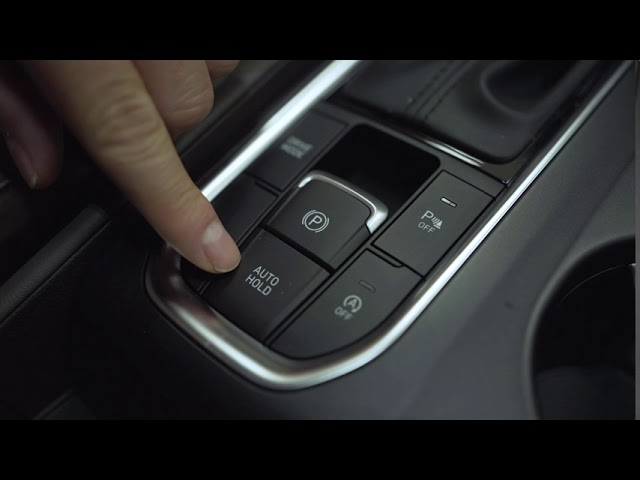
What Is an Electric Parking Brake?
Traditional parking brakes rely on a system of cables and levers. These systems keep your vehicle stationary when parked. Typically, the driver pulls a lever upward or presses a pedal down to activate the brake. Moreover, the traditional emergency brake can be used anytime the vehicle is at rest. It is especially common when parking on a hill or stopping in an unexpected emergency.
An electric parking brake is a modern system designed to replace that manual setup. Instead of pulling a lever or pushing a pedal, you simply press a button or flip a switch. Furthermore, instead of cables doing the mechanical work, an electronic control unit and an actuator mechanism apply the brakes automatically. As a result, the entire process becomes faster, simpler, and more reliable.
While EPB systems are becoming increasingly common, they are most often found on modern sedans, SUVs, and premium vehicles. Many Hyundai models available near Olathe include this technology as a standard or available feature. Browse our current new Hyundai inventory in Olathe to explore models equipped with electric parking brakes today.
How Does an Electric Parking Brake Work Step by Step?
Understanding the EPB process is straightforward. Moreover, knowing how it works helps you use the feature confidently and correctly every time you park near Olathe.
First, the driver presses the EPB button or flips the switch in the cabin. Next, that action sends an electronic signal directly to the vehicle’s electronic control unit. Then, the control unit processes the signal and sends a command to the actuator mechanism. Finally, the actuator applies the brake pads to the vehicle’s rear wheels, holding the car securely in place.
Additionally, some vehicles come equipped with automatic parking brake functionality. This means the system activates automatically every time the engine is turned off. Furthermore, other vehicles feature an automatic release function. With this feature, the parking brake releases on its own when the vehicle begins to move or reaches a certain speed. Consequently, drivers no longer need to worry about forgetting to release the brake before driving away. According to the National Highway Traffic Safety Administration, properly functioning parking brakes are a critical part of vehicle safety. Therefore, the added reliability of an automatic EPB system is a genuine safety improvement for everyday drivers near Olathe.
The Two Types of Electric Parking Brake Systems
There are two main types of electric parking brake systems used across modern vehicles today. Understanding the difference helps you know what to expect in your specific Hyundai model.
Cable-Pull EPB System
The cable-pull system uses an electric motor to pull on a traditional brake cable. Essentially, this system takes the mechanical action of a manual handbrake and automates it using an electric motor. As a result, it is often used in vehicles where cost-effectiveness and simplicity are priorities. Moreover, this type of system is generally easier and less expensive to service when maintenance is needed.
Caliper-Integrated EPB System
The caliper-integrated system is the more advanced of the two options. With this setup, the electric motor is mounted directly on the brake caliper itself. When the driver activates the EPB, the motor applies the brake pads directly at the caliper level. Consequently, this system offers more precise brake application and is commonly found on newer and higher-trim Hyundai models. Furthermore, the caliper-integrated design takes up less space in the vehicle, which contributes to a cleaner and more modern interior layout.
The Key Benefits of Electric Parking Brakes for Olathe Drivers
Electric parking brakes offer several meaningful advantages over traditional manual systems. Moreover, these benefits show up in everyday driving situations near Olathe in ways that you will notice and appreciate quickly.
Greater Convenience on Every Drive
Applying or releasing a traditional parking brake on a hill can be physically awkward and stressful. Furthermore, doing it smoothly while also managing the throttle and clutch requires some practice. With an EPB, however, you simply press a button. As a result, the process becomes effortless and stress-free regardless of the grade or road conditions near Olathe.
More Cabin Space and a Cleaner Interior
Traditional handbrakes take up significant space in the center console area. Moreover, they can make the cabin feel more cluttered and less modern. In contrast, an electric parking brake requires only a small button or switch. Therefore, EPB-equipped Hyundai models near Olathe benefit from a cleaner and more spacious center console design that feels genuinely premium.
Improved Safety Through Automation
Perhaps the most important benefit is the added safety that automatic EPB systems provide. Because the brake applies itself automatically when the engine is turned off, there is no risk of forgetting to set it while parked on a steep slope. Furthermore, the automatic release function prevents drivers from accidentally driving away with the parking brake still engaged. Consequently, EPB technology removes two of the most common parking brake mistakes from the equation entirely.
Smoother Hill Starts
Many EPB systems include a hill-start assist function. This feature temporarily holds the brake while the driver transitions from the brake pedal to the accelerator on an incline. As a result, hill starts near Olathe become significantly smoother and more confident, especially for newer drivers or those who drive frequently in hilly terrain.
Which Hyundai Models Near Olathe Include Electric Parking Brakes?
Many current Hyundai models available near Olathe are equipped with electric parking brake technology. Models like the Hyundai Tucson, Santa Fe, Palisade, Sonata, and IONIQ lineup all feature EPB systems that reflect Hyundai’s commitment to modern, driver-focused technology.
Furthermore, as you move up in trim levels, EPB systems are often paired with additional comfort and convenience features that make the overall ownership experience even more enjoyable. Our team at McCarthy Hyundai Olathe can confirm exactly which trims include EPB technology and walk you through the feature during a test drive. You can also schedule a test drive online at any time.
Additionally, if you are shopping on a budget, we carry a selection of used Hyundai vehicles and Certified Pre-Owned Hyundai models that include EPB technology at more accessible price points.
Service and Support for Your Hyundai at McCarthy Hyundai Olathe
If your Hyundai’s electric parking brake requires inspection, calibration, or service, our certified technicians are fully equipped to handle it. Moreover, we use Genuine OEM Hyundai parts and follow factory procedures to ensure your EPB system operates exactly as intended.
Check out our current service and parts specials to save on your next service visit. You can also schedule a service appointment online at any time that fits your schedule. Furthermore, if you need help covering service costs, we offer service and parts financing to spread out expenses. Visit our Hyundai service center in Olathe to see the difference our dedicated team makes.
Frequently Asked Questions
What is an electric parking brake and how is it different from a traditional handbrake?
An electric parking brake replaces the traditional cable-and-lever handbrake with a button or switch. Instead of manually pulling a lever, you simply press a button and an electronic control unit applies the brakes automatically. Moreover, many EPB systems activate and release automatically, removing the need for any manual input at all.
Do electric parking brakes apply automatically when I park?
Many modern EPB systems do apply automatically when the engine is turned off. Furthermore, some systems also release automatically when the vehicle begins to move, making the process completely hands-free for the driver near Olathe.
What are the two types of electric parking brake systems?
The two types are the cable-pull system, which uses an electric motor to pull a traditional brake cable, and the caliper-integrated system, where the motor is mounted directly on the brake caliper for more precise and direct brake application.
Is an electric parking brake safer than a traditional handbrake?
Yes, in many ways. Because automatic EPB systems engage on their own when the vehicle is parked, they eliminate the risk of forgetting to set the brake. Additionally, the automatic release function prevents drivers from accidentally driving with the parking brake engaged.
Which Hyundai models near Olathe have electric parking brakes?
Many current Hyundai models including the Tucson, Santa Fe, Palisade, Sonata, and IONIQ lineup include electric parking brake technology. Our team at McCarthy Hyundai Olathe can confirm EPB availability on any specific model or trim you are considering.
Can the electric parking brake on my Hyundai be serviced near Olathe?
Yes. Our certified technicians at McCarthy Hyundai Olathe are fully trained and equipped to inspect, calibrate, and service EPB systems on all Hyundai models. Schedule a service appointment online or call us at (913) 324-7200.
Sources
- National Highway Traffic Safety Administration, Brakes and Brake Safety: nhtsa.gov
Hybrid Vehicles | McCarthy Hyundai Olathe | 681 N Rawhide, Olathe, KS 66061
Hybrid vehicles have transformed the automotive world. They offer a perfect mix of performance, efficiency, and sustainability all in one package. Moreover, Hyundai has become a true leader in this movement. At McCarthy Hyundai Olathe, we are proud to offer a full range of Hyundai hybrid vehicles near Olathe that deliver innovation without compromise.
Whether you are looking for a fuel-efficient sedan or a capable hybrid SUV, Hyundai has a model designed to fit your lifestyle and budget. Furthermore, every Hyundai hybrid comes backed by one of the best warranties in the industry, giving you long-term peace of mind on every drive around Olathe and the Kansas City metro area.
In this guide, we break down the full Hyundai hybrid lineup, explain the key features that set them apart, and show you exactly why choosing a Hyundai hybrid near Olathe makes so much sense right now. Visit us at 681 N Rawhide, Olathe, KS 66061 to schedule a test drive today.
What You Will Find in This Article
- An overview of how Hyundai hybrid vehicles work
- A look at each Hyundai hybrid model available near Olathe
- Key technology, safety, and efficiency features across the lineup
- Why choosing a Hyundai hybrid is a smart long-term decision
- Financing and service support at McCarthy Hyundai Olathe
- Frequently asked questions about Hyundai hybrid vehicles
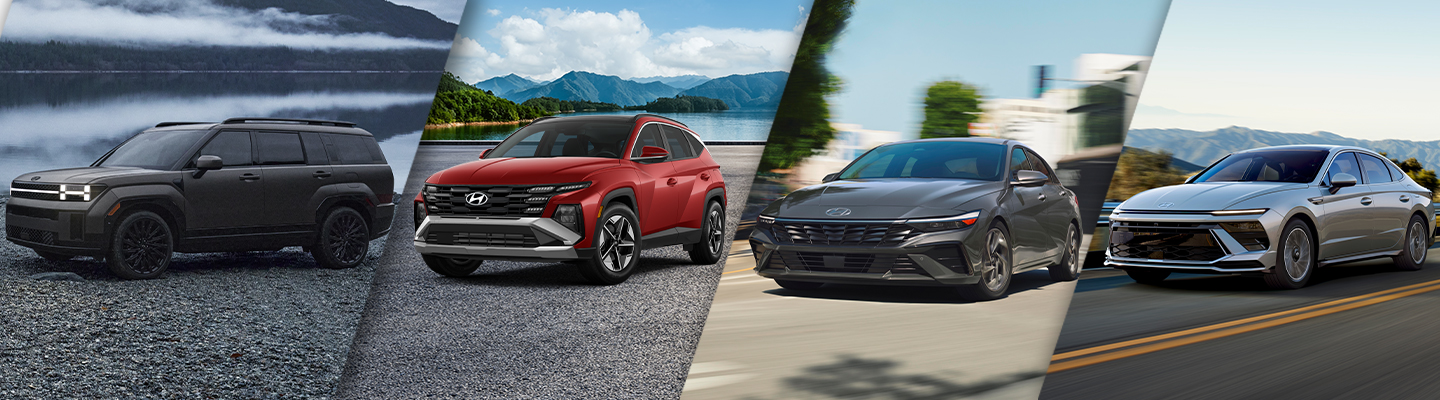
How Hyundai Hybrid Vehicles Work
A hybrid vehicle combines a traditional gasoline engine with an electric motor. Together, they work to improve fuel efficiency while reducing emissions on every drive. Furthermore, Hyundai first entered the hybrid market with the Sonata Hybrid. That early commitment proved that eco-friendly vehicles could still deliver impressive performance.
Since then, Hyundai has expanded its hybrid lineup significantly. Today, drivers near Olathe can choose from both hybrid sedans and hybrid SUVs. As a result, there are more options than ever to find the right fit for your daily routine and weekend adventures.
Additionally, Hyundai hybrids use Smartstream hybrid powertrains. These systems allow smooth transitions between gas and electric power. Consequently, drivers get the best of both worlds: strong performance when they need it and maximum efficiency the rest of the time. According to FuelEconomy.gov, hybrid vehicles consistently deliver better fuel economy than their gas-only counterparts. Therefore, switching to a Hyundai hybrid near Olathe is one of the smartest ways to reduce your monthly fuel costs. Browse our current new Hyundai hybrid inventory in Olathe to explore what is available today.
Hyundai Hybrid Models Available Near Olathe
Hyundai currently offers four outstanding hybrid models for drivers near Olathe. Each one brings something different to the table. Moreover, all of them share the core benefits that make Hyundai hybrids such a compelling choice.
Hyundai Elantra Hybrid
The Elantra Hybrid is one of the most efficient vehicles on the market today. In fact, it delivers an impressive 54 MPG combined, making it a standout choice for daily commuters near Olathe. Furthermore, its sleek and sophisticated design gives it a premium feel that goes well beyond what you might expect at this price point. Additionally, the Elantra Hybrid’s dual clutch automatic transmission delivers a responsive and engaging driving experience. As a result, it never feels sluggish or underpowered, even on Kansas highways.
Hyundai Sonata Hybrid
The Sonata Hybrid is a refined midsize sedan built for drivers who want comfort and efficiency in equal measure. Moreover, select trims offer available solar roof charging technology that uses sunlight to help recharge the battery. Consequently, it pushes efficiency even further in real-world driving conditions near Olathe. The Sonata Hybrid also features a panoramic curved display, Hyundai Digital Key 2 Premium, and a driver-focused interior that makes every commute feel more enjoyable.
Hyundai Tucson Hybrid
The Tucson Hybrid delivers up to 38 MPG combined while maintaining the full capability of a midsize SUV. Additionally, standard all-wheel drive is included across the lineup. Therefore, Olathe drivers get strong traction and confidence in rain, snow, and mixed road conditions without paying extra. Furthermore, the Tucson Hybrid comes standard with Hyundai SmartSense driver-assist technology across all trims. As a result, you get meaningful safety support on every single drive without needing to upgrade to a higher trim level.
Hyundai Santa Fe Hybrid
The Santa Fe Hybrid is the family-focused choice in the Hyundai hybrid lineup. It balances strong fuel economy with genuine SUV capability. Moreover, it offers available three-row seating, making it one of the most practical hybrid SUVs available near Olathe. Furthermore, the Santa Fe Hybrid delivers strong acceleration and a towing capacity of up to 4,500 lbs when properly equipped. Consequently, it handles everything from daily school runs to weekend road trips with equal confidence.
Key Features Across the Hyundai Hybrid Lineup
Every Hyundai hybrid near Olathe shares a core set of features that set them apart from competing vehicles. Additionally, these features are designed to make driving safer, more comfortable, and more connected on every trip.
Innovative Hybrid Technology
Hyundai’s Smartstream hybrid powertrains are engineered for smooth and seamless transitions between gas and electric power. Furthermore, regenerative braking is available across the lineup. This system captures energy during deceleration and uses it to recharge the battery. As a result, your fuel economy improves naturally throughout daily driving near Olathe, especially in stop-and-go traffic conditions.
Fuel Efficiency That Saves Money
Every Hyundai hybrid delivers meaningful savings at the pump. For example, the Elantra Hybrid achieves 54 MPG combined, while the Tucson Hybrid delivers 38 MPG combined. Moreover, the Santa Fe Hybrid balances efficiency with strong performance for families who need more space. Consequently, switching to a Hyundai hybrid can reduce your annual fuel spending significantly compared to a traditional gas-only vehicle.
Advanced Safety Technology
Every Hyundai hybrid comes equipped with Hyundai SmartSense. This suite of driver assistance features includes Forward Collision-Avoidance Assist, Lane Keeping Assist, and Smart Cruise Control with Stop and Go. Moreover, newer models also add Blind-Spot Collision-Avoidance Assist and Rear Cross-Traffic Collision-Avoidance Assist as standard equipment. Therefore, you get comprehensive safety coverage regardless of which Hyundai hybrid you choose near Olathe.
Connected Technology and Infotainment
All Hyundai hybrid models include large touchscreen displays with wireless Apple CarPlay and Android Auto. Furthermore, available features like wireless device charging, Bluelink+ connected services, and available Bose premium audio make every drive more enjoyable. As a result, staying connected on your daily commute near Olathe has never been easier or more intuitive.
Why Choose a Hyundai Hybrid Near Olathe?
Hyundai hybrids are built for drivers who want efficiency without compromise. Moreover, they offer a long list of practical ownership benefits that go well beyond fuel savings alone.
Lower Fuel Costs and Reduced Emissions
Hyundai hybrids are designed for maximum fuel efficiency. Consequently, you make fewer trips to the pump and reduce your vehicle’s overall emissions at the same time. Furthermore, for drivers in Olathe who commute regularly, the long-term fuel savings can add up to a significant amount over the life of the vehicle.
Proven Reliability and Industry-Leading Warranty
Hyundai backs its hybrid models with a 10-Year/100,000-Mile Hybrid Battery Warranty. This is one of the strongest battery warranties in the entire automotive industry. Additionally, all new Hyundai vehicles are covered by America’s Best Warranty, which includes a 10-Year/100,000-Mile Powertrain Limited Warranty. Therefore, you can drive with genuine confidence knowing your investment is protected for the long haul.
Strong Resale Value
Hybrid models like the Tucson Hybrid and Santa Fe Hybrid maintain strong resale value over time. This is largely due to growing market demand for fuel-efficient vehicles and Hyundai’s well-established reputation for durability and quality. Consequently, choosing a Hyundai hybrid near Olathe is not just a smart decision for today. It is a smart investment for the future as well.
Shop Hyundai Hybrid Vehicles at McCarthy Hyundai Olathe
At McCarthy Hyundai Olathe, we make it easy to find and finance the right Hyundai hybrid for your lifestyle. Moreover, our knowledgeable team is ready to help you compare models, explore trims, and schedule test drives that fit your schedule.
You can use our buying power tool to estimate your budget before visiting. Furthermore, you can apply for financing online to get a head start before you arrive. Additionally, if you have a current vehicle, our trade-in value tool can help you apply that value toward your new Hyundai hybrid purchase.
You can also browse our used Hyundai inventory or our Certified Pre-Owned Hyundai program if you prefer a pre-owned hybrid with added warranty protection. Visit us at 681 N Rawhide, Olathe, KS 66061, or call us at (913) 324-7200 to get started today.
Ongoing Service Support for Your Hyundai Hybrid
After your purchase, our certified service center is here to keep your Hyundai hybrid running at its best. Our factory-trained technicians are fully equipped to handle hybrid-specific maintenance alongside all standard service needs. Moreover, we use Genuine OEM Hyundai parts throughout every repair and service visit.
Check out our current service and parts specials to save on routine maintenance. You can also schedule a service appointment online at any time. Furthermore, if you need help covering service costs, we offer service and parts financing to spread out expenses. Visit our Hyundai service center in Olathe to see the difference a dedicated team makes.
Frequently Asked Questions
Do Hyundai hybrid vehicles need to be plugged in to charge?
No. Hyundai’s standard hybrid models, including the Elantra Hybrid, Sonata Hybrid, Tucson Hybrid, and Santa Fe Hybrid, charge their batteries automatically through regenerative braking and the gasoline engine. Therefore, there is no need for any charging infrastructure or routine.
Which Hyundai hybrid gets the best fuel economy near Olathe?
The Hyundai Elantra Hybrid currently leads the lineup with up to 54 MPG combined. Moreover, the Tucson Hybrid delivers up to 38 MPG combined, making it one of the most efficient hybrid SUVs in its class.
Do all Hyundai hybrids come with all-wheel drive?
The Tucson Hybrid includes standard all-wheel drive across all trims. Additionally, AWD is available on the Santa Fe Hybrid and Sonata Hybrid on select configurations. Our team at McCarthy Hyundai Olathe can confirm AWD availability for your specific trim of interest.
What warranty covers the Hyundai hybrid battery?
Hyundai covers its hybrid battery with a 10-Year/100,000-Mile Hybrid Battery Warranty. Furthermore, the vehicle itself is covered by America’s Best Warranty, which includes a 10-Year/100,000-Mile Powertrain Limited Warranty.
Can I test drive a Hyundai hybrid near Olathe?
Absolutely. Visit McCarthy Hyundai Olathe at 681 N Rawhide, Olathe, KS 66061. Our team can set up a test drive route that reflects your typical daily driving near Olathe so you can feel the difference firsthand.
Are used Hyundai hybrids available near Olathe?
Yes. We carry a selection of used and Certified Pre-Owned Hyundai hybrid vehicles. Browse our used Hyundai inventory or our Certified Pre-Owned Hyundai program online to see what is currently available.
Sources
- FuelEconomy.gov, How Hybrid Vehicles Work: fueleconomy.gov
Hyundai Motor just earned a major honor. The brand was named a 2026 World Car Awards finalist in three separate categories, making this the fifth consecutive year Hyundai has received recognition at this prestigious global program. The three Hyundai models earning finalist spots are the all-new Hyundai Palisade, the Hyundai IONIQ 6 N, and the all-new Hyundai Venue.
At McCarthy Hyundai Olathe, this kind of global recognition matters to our customers. Awards like these shine a light on the vehicles people are already talking about and help confirm which models stand out for design, performance, comfort, and real everyday value. For shoppers near Olathe, KS, these finalist spots add even more confidence to an already impressive Hyundai lineup.
In this guide, we break down what each finalist brings to the table and why these results should matter to anyone shopping for a new Hyundai near Olathe. Visit us at 681 N Rawhide, Olathe, KS 66061 to explore these award-recognized models in person.
What You Will Find in This Article
- What the 2026 World Car Awards recognize and why they matter
- Why the Hyundai Palisade is a finalist for World Car of the Year
- What makes the Hyundai IONIQ 6 N a World Performance Car finalist
- Why the all-new Hyundai Venue earned a World Urban Car finalist spot
- Hyundai’s impressive award history over the past five years
- How to explore these models at McCarthy Hyundai Olathe
- Frequently asked questions about Hyundai’s 2026 World Car Awards results
What the 2026 World Car Awards Mean for Hyundai Shoppers Near Olathe
The World Car Awards are not small or regional recognitions. The finalists were selected by a jury of 98 international automotive journalists from 33 countries through a secret ballot process. As a result, earning a finalist spot means global recognition from some of the most knowledgeable automotive experts in the world, not just a single review group or local market opinion.
For shoppers near Olathe, this adds real confidence when considering a Hyundai purchase. It shows that the models you are looking at are being recognized on a world stage for the things that matter most, including design excellence, performance, everyday comfort, and genuine family value. According to World Car Awards, the annual program evaluates vehicles across multiple key categories to identify the best cars available to buyers worldwide. Browse our current new Hyundai inventory in Olathe to explore these award-recognized models today.
Hyundai Palisade: World Car of the Year Finalist
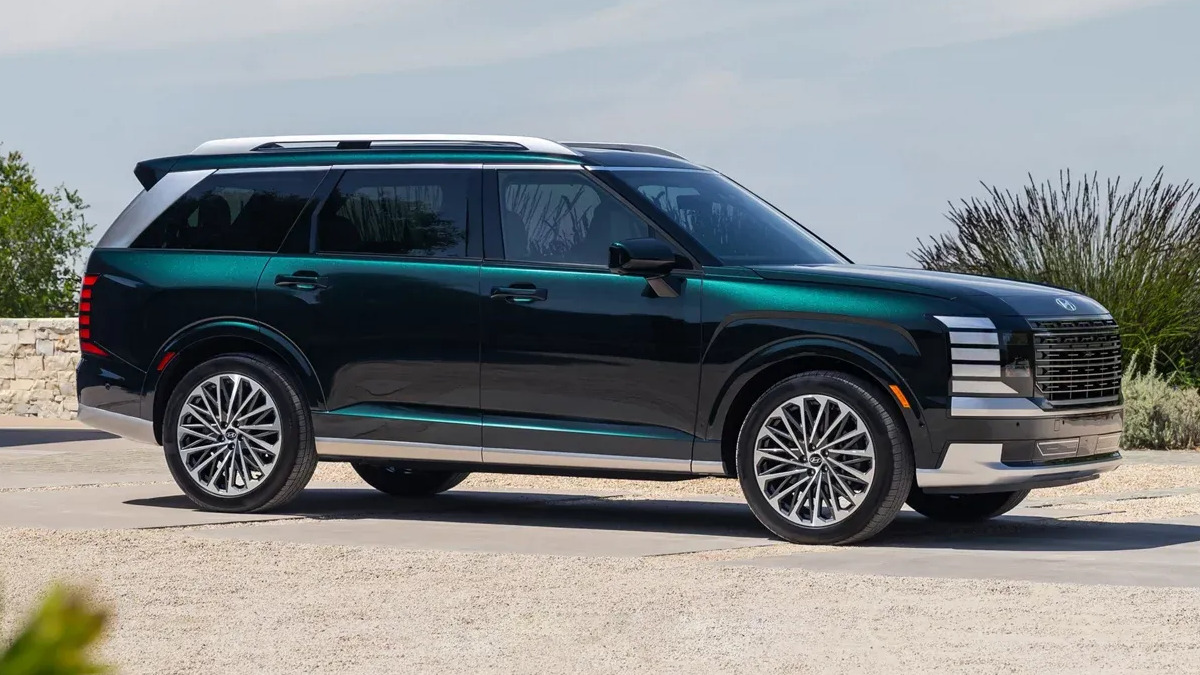
The biggest story for most Hyundai shoppers near Olathe is the all-new Hyundai Palisade earning a World Car of the Year finalist spot. Hyundai describes the Palisade as its flagship premium SUV, built to deliver a compelling blend of comfort, space, and advanced technology. For families and active drivers in the Olathe area, the Palisade delivers on every one of those fronts.
Here is a look at the key features that helped the Palisade earn this global recognition.
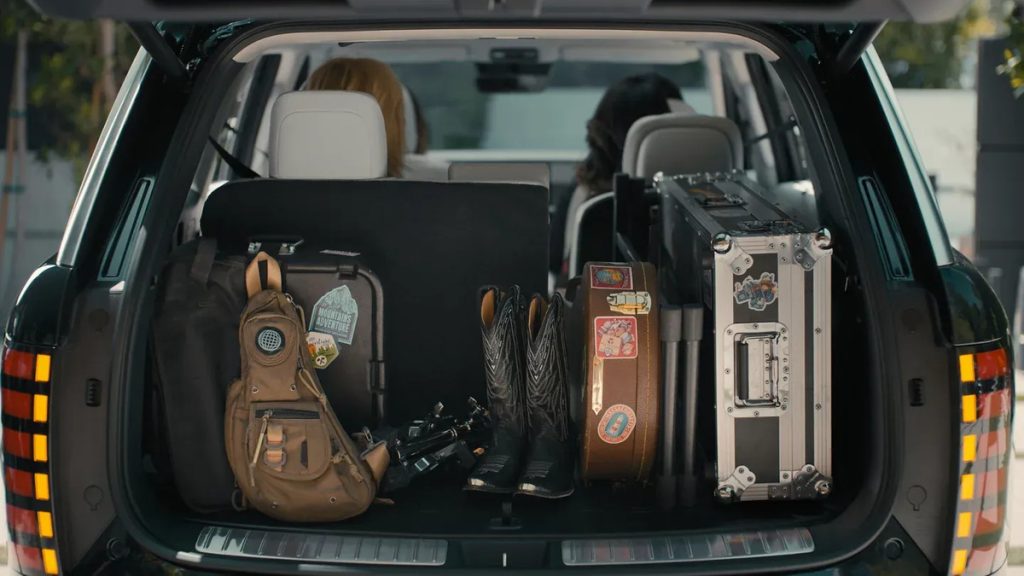
- Seating: Available 7- or 8-passenger seating with remote folding second- and third-row seats for ultimate cargo and passenger flexibility.
- Displays: Dual 12.3-inch screens including a digital instrument cluster and touchscreen infotainment system for a seamless and modern cabin experience.
- Connectivity: Wireless Apple CarPlay and Android Auto standard across the lineup.
- Audio: Available Bose premium sound system for an elevated listening experience on every drive.
- Comfort: Heated and ventilated first- and second-row seats, plus a dual sunroof that brightens all three rows.
- Powertrain: 3.5L 6-cylinder engine with available HTRAC All Wheel Drive for confident traction in varying road conditions near Olathe.
- Cargo: Up to 86.7 cubic feet of cargo space with rear seats folded, making it ideal for road trips and weekend adventures.
Furthermore, the Palisade is available in a hybrid configuration that delivers up to 329 hp from its turbo GDI 4-cylinder hybrid powertrain, offering families both power and improved fuel efficiency. For shoppers near Olathe looking for a three-row SUV that feels genuinely premium without being unnecessarily complicated, the Palisade makes a compelling case. Schedule a Palisade test drive at McCarthy Hyundai Olathe to experience it firsthand.
Hyundai IONIQ 6 N: World Performance Car Finalist
While the Palisade is the main focus for most family-oriented shoppers, the Hyundai IONIQ 6 N’s finalist spot for World Performance Car is worth celebrating in its own right. The IONIQ 6 N is a high-performance electric vehicle built for both the track and everyday road driving, and its specifications are genuinely impressive.
- Power: Up to 641 horsepower with N Grin Boost activated.
- Acceleration: 0 to 62 mph in just 3.2 seconds.
- Driving feel: N e-Shift technology for a real gearshift sensation and N Active Sound+ for a more engaging driving experience.
- Performance tech: N Torque Distribution and N Drift Optimizer for dynamic handling in spirited driving situations.
- Battery: An 84.0-kWh battery with fast charging from 10 percent to 80 percent in approximately 18 minutes with a 350-kW charger under optimal conditions.
The IONIQ 6 N brings something genuinely different to the EV performance conversation. It demonstrates that Hyundai’s commitment to electrification does not come at the cost of driving excitement. Moreover, it builds on the IONIQ 5 N’s success, which won World Performance Car in 2024, showing that Hyundai’s N performance division continues to push boundaries year after year.

Hyundai Venue: World Urban Car Finalist
The third Hyundai model named as a 2026 World Car Awards finalist is the all-new Hyundai Venue, which earned a spot in the World Urban Car category. This recognition reflects the Venue’s excellent combination of city-friendly size, modern technology, strong safety features, and accessible value that makes it such a practical choice for everyday urban and suburban driving near Olathe.
The updated Venue brings several meaningful improvements to the formula that made the original so popular. Key highlights include a taller and wider body for a more confident presence, quad beam LED headlamps, a dark chrome radiator grille, and dual 12.3-inch curved panoramic displays that give the cabin a genuinely modern and premium feel.
- Technology: Dual 12.3-inch curved panoramic displays and available Bose premium sound system.
- Connectivity: Over-the-Air software update capability to keep features current over time.
- Safety: Hyundai SmartSense ADAS Level 2 and more than 65 safety features including six airbags and electronic stability control as standard equipment.
- Powertrain: Multiple powertrain choices to suit different budgets and efficiency priorities.
For first-time buyers, younger drivers, and anyone near Olathe who prioritizes value, easy parking, and modern technology in a compact package, the Venue remains one of the most compelling small SUVs in the market today.
Hyundai’s Impressive Award Momentum Over Five Years
This latest World Car Awards recognition does not stand alone. It builds on one of the most impressive award streaks any automaker has put together at this prestigious program in recent years. Hyundai’s recent World Car Awards history tells a compelling story of consistent excellence.
- 2025: Hyundai INSTER won World Electric Vehicle.
- 2024: Hyundai IONIQ 5 N won World Performance Car.
- 2023: Hyundai IONIQ 6 won triple titles at the awards.
- 2022: Hyundai IONIQ 5 won World Car of the Year, World Electric Vehicle, and World Car Design of the Year.
Furthermore, this is the fifth consecutive year Hyundai has been recognized at this level of the World Car Awards program. That kind of sustained recognition is not accidental. It reflects a consistent commitment to innovation, quality, and delivering vehicles that genuinely connect with drivers around the world, including those near Olathe, KS.
Explore Award-Recognized Hyundai Models at McCarthy Hyundai Olathe
For shoppers near Olathe, the takeaway from these 2026 World Car Awards finalist spots is straightforward. The Hyundai Palisade, IONIQ 6 N, and Venue are all receiving world-class attention for reasons that translate directly into real ownership benefits for drivers in the Kansas City area.
At McCarthy Hyundai Olathe, you can explore the full Hyundai lineup including the award-recognized Palisade and Venue in person. Our team is ready to help you compare trims, schedule test drives, and find the right financing solution for your budget. Use our buying power tool to estimate your budget, or apply for financing online before your visit.
Additionally, if you have a current vehicle, our trade-in value tool can help you apply that value toward your new Hyundai purchase. You can also browse our used Hyundai inventory or explore our Certified Pre-Owned Hyundai program for added warranty protection at a lower price. Visit us at 681 N Rawhide, Olathe, KS 66061, or call us at (913) 324-7200.
Service Support for Your Hyundai at McCarthy Hyundai Olathe
After your purchase, our certified service center continues to support your Hyundai for years to come. Our factory-trained technicians handle everything from routine maintenance to advanced system diagnostics using Genuine OEM Hyundai parts throughout.
Check out our current service and parts specials to save on routine maintenance. You can also schedule a service appointment online at any time. Furthermore, if you need help covering service costs, we offer service and parts financing to spread out expenses. Visit our Hyundai service center in Olathe to see the difference a dedicated team makes.
Frequently Asked Questions
Which Hyundai models are 2026 World Car Awards finalists?
Three Hyundai models earned finalist spots: the all-new Hyundai Palisade for World Car of the Year, the Hyundai IONIQ 6 N for World Performance Car, and the all-new Hyundai Venue for World Urban Car.
What is the World Car Awards program?
The World Car Awards is a global automotive recognition program judged by 98 international automotive journalists from 33 countries. Finalists and winners are selected through a secret ballot process, making it one of the most respected automotive awards programs in the world.
How many years in a row has Hyundai been recognized at the World Car Awards?
This is the fifth consecutive year Hyundai has earned finalist or winner recognition at the World Car Awards, building on an impressive recent history that includes multiple wins from the IONIQ 5 and IONIQ 6 lineups.
Can I see the Hyundai Palisade in person near Olathe?
Yes. McCarthy Hyundai Olathe carries the full Hyundai Palisade lineup. Visit us at 681 N Rawhide, Olathe, KS 66061 to schedule a test drive and compare available trims.
Is the Hyundai Venue available at McCarthy Hyundai Olathe?
Yes. We carry the Hyundai Venue and can help you explore available trims and features. Visit our showroom or browse our new Hyundai inventory online to see current availability.
What financing options are available for award-recognized Hyundai models near Olathe?
Our finance team works with multiple lenders for all credit situations. You can apply for financing online or use our buying power tool to estimate your budget before visiting.
Sources
- World Car Awards, 2026 World Car Awards Program: worldcarawards.com
If you are shopping for used Hyundai EVs for sale near Olathe, KS, now is one of the best times to make the switch to electric. At McCarthy Hyundai Olathe, we carry a selection of used electric vehicles including the Hyundai IONIQ 5, IONIQ 6, and Kona Electric, each offering strong range, modern technology, and smart everyday usability at a lower price than buying new.
Drivers near Olathe want a lot from one vehicle. Low running costs, easy city and highway driving, great tech, comfortable commuting, and enough range for daily life and weekend trips across the Kansas City metro area. Hyundai’s EV lineup checks every one of those boxes, and the used market makes these vehicles even more accessible for budget-conscious shoppers.
In this guide, we break down the top used Hyundai EV options available near Olathe, what makes each one stand out, and how our team at 681 N Rawhide, Olathe, KS 66061 can help you find the right one for your lifestyle.
What You Will Find in This Article
- Why used Hyundai EVs make sense for drivers near Olathe
- What makes the Hyundai IONIQ 5 a top used EV choice
- Why the Hyundai IONIQ 6 is perfect for commuters
- How the Hyundai Kona Electric fits everyday urban driving
- Other popular EVs Olathe shoppers often compare
- Financing and Certified Pre-Owned options at McCarthy Hyundai Olathe
- Frequently asked questions about used Hyundai EVs near Olathe
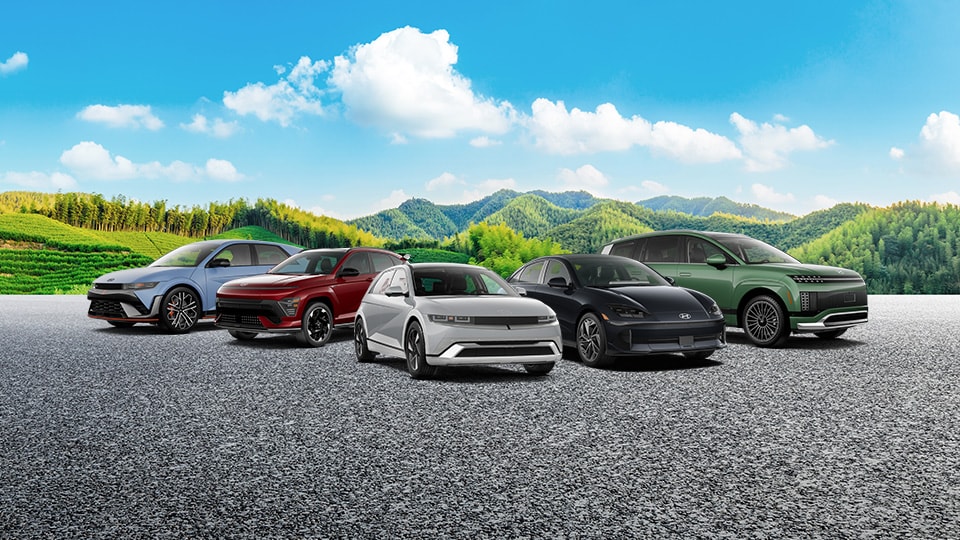
Why Used Hyundai EVs Make Sense for Drivers Near Olathe
Electric vehicles are a natural and increasingly practical fit for daily driving near Olathe and across the Kansas City metro area. A typical commute involves a mix of city streets, suburban roads, and highway stretches, which is exactly the kind of driving where an EV delivers its biggest advantages. The electric motor provides instant torque for confident acceleration, regenerative braking helps extend range in stop-and-go conditions, and the absence of a gas engine means significantly lower day-to-day running costs.
Furthermore, used Hyundai EVs make especially strong sense for shoppers who want modern EV technology at a lower price than buying new. Hyundai has become one of the strongest EV brands in the market over the past several years. According to FuelEconomy.gov, several Hyundai EV models rank among the most efficient electric vehicles currently available. As a result, choosing a used Hyundai EV near Olathe means getting strong range, smart cabin tech, and dependable everyday performance at a price that fits more budgets. Browse our current used Hyundai inventory in Olathe to see what is available today.
Used Hyundai IONIQ 5 for Sale Near Olathe
The Hyundai IONIQ 5 is one of the most important used EVs to consider right now, and it stands out for a long list of reasons. It combines a bold and futuristic design with a roomy cabin, fast-charging capability, and the kind of flexibility that makes it a strong fit for families, commuters, and weekend adventurers alike.
Select 2025 IONIQ 5 trims offer up to 318 miles of EPA-estimated range, which is more than enough for typical daily driving near Olathe with range to spare for longer regional trips. Furthermore, updated 2025 models gained increased battery capacity, new features, and access to over 17,000 Tesla Superchargers via a built-in NACS port. As a result, charging network access has never been broader for IONIQ 5 owners.
- Range: Up to 318 miles of EPA-estimated range on select 2025 trims.
- Charging: Fast-charging capability and NACS port access to Tesla Superchargers on updated models.
- Space: SUV-like shape with easy entry, a roomy cabin, and practical cargo space.
- Style: Clean and futuristic design that stands out on any road near Olathe.
- Trim options: Available rugged XRT trim in the newer lineup for drivers who want a more capable look.
For many used EV shoppers near Olathe, the IONIQ 5 hits a genuine sweet spot. It has the look of a modern SUV, the smooth and quiet drive feel of a premium EV, and the practical space that everyday life demands. You can schedule a used IONIQ 5 test drive at McCarthy Hyundai Olathe to experience it for yourself.
Used Hyundai IONIQ 6 for Sale Near Olathe
If you prefer a sleeker profile and standout aerodynamic styling, the Hyundai IONIQ 6 is a used EV that absolutely deserves a spot on your list. The IONIQ 6 is Hyundai’s all-electric sedan, and select 2025 IONIQ 6 SE models offer up to 342 miles of EPA-estimated range. That is one of the strongest range figures available in any used EV at this price point, making it an outstanding choice for commuters and road-trip enthusiasts alike.
Furthermore, the IONIQ 6’s sedan shape makes it easy to park in tighter spaces around Olathe, while its streamlined aerodynamic design contributes directly to its exceptional efficiency. The cabin is comfortable and well-designed, with a driver-focused layout that makes longer commutes feel significantly more relaxed.
- Range: Up to 342 miles of EPA-estimated range on select 2025 trims.
- Performance: Available outputs up to 320 hp on certain AWD configurations.
- AWD: Available HTRAC All Wheel Drive on some versions for added all-weather confidence near Olathe.
- Charging: Ultra-fast charging capability that minimizes time spent at charging stations.
- Style: Sleek and aerodynamic sedan design that feels distinctly premium.
For buyers who want an EV that feels more like a premium sport sedan than a crossover, the IONIQ 6 is a compelling used EV option near Olathe. It balances exceptional range with stylish design and comfortable everyday usability in a way few competitors can match.
Used Hyundai Kona Electric for Sale Near Olathe
The Hyundai Kona Electric is a smart option for drivers near Olathe who want a smaller EV SUV without compromising on everyday practicality. The 2025 Kona Electric offers an EPA-estimated 261 miles of range, which is more than enough for typical daily driving and weekly errands around Olathe and the surrounding Kansas City area.
Moreover, the Kona Electric’s smaller footprint makes it genuinely easy to park and maneuver in tight spots, whether you are in a crowded parking lot or a narrow city street. Despite its compact size, the updated generation brought improved cabin space and a refreshed design that gives it a more modern and premium feel inside and out.
- Range: Up to 261 miles of EPA-estimated range on the 2025 model.
- Size: Compact SUV footprint that is easy to park and maneuver near Olathe.
- Usability: Simple everyday driving experience with updated cabin space and design.
- Value: One of the most accessible entry points into Hyundai EV ownership on the used market.
If you spend most of your time driving daily routes around Olathe and want a practical EV without going too large, the Kona Electric is one of the easiest used EVs to recommend. Additionally, its lower price point on the used market makes it one of the most budget-friendly paths to electric vehicle ownership near Olathe.
Other Popular EVs Olathe Shoppers Often Compare
While the Hyundai IONIQ 5, IONIQ 6, and Kona Electric are our primary focus, many shoppers near Olathe also cross-shop other popular used EVs when making their decision. Common comparisons include the Tesla Model Y, Tesla Model 3, Ford Mustang Mach-E, Volkswagen ID.4, and Chevrolet Equinox EV.
Each of these vehicles has its own strengths, and the right choice ultimately depends on your priorities around range, charging network access, cargo space, and budget. However, Hyundai’s combination of strong range, fast charging, premium cabin quality, and competitive used pricing gives the IONIQ and Kona Electric lineup a genuine edge for many shoppers near Olathe. Furthermore, Hyundai’s 10-Year/100,000-Mile Powertrain Limited Warranty provides exceptional long-term coverage that adds real value to a used Hyundai EV purchase.
Financing and Certified Pre-Owned Options at McCarthy Hyundai Olathe
Shopping for a used EV near Olathe is easier when you have the right financial tools at your disposal. At McCarthy Hyundai Olathe, our finance team works with multiple lenders to find competitive rates for all credit situations. You can use our buying power tool to estimate your budget before visiting, or apply for financing online to get a head start.
Additionally, if you have a current vehicle, our trade-in value tool can help you apply that value toward your used EV purchase and lower your overall cost. You can also explore our Certified Pre-Owned Hyundai program for used EVs that have passed a thorough multi-point inspection and come with added warranty coverage. Additionally, check our certified used vehicle inventory to see what is currently available.
Visit us at 681 N Rawhide, Olathe, KS 66061, or call us at (913) 324-7200 to speak with our team about available used Hyundai EVs today.
Service Support for Your Used Hyundai EV
After your purchase, our certified service center continues to support your Hyundai EV for years to come. Our factory-trained technicians are fully equipped to handle EV-specific maintenance alongside all standard service needs, using Genuine OEM Hyundai parts throughout every repair.
Check out our current service and parts specials to save on routine maintenance. You can also schedule a service appointment online at any time. Furthermore, if you need help covering service costs, we offer service and parts financing to spread out expenses. Visit our Hyundai service center in Olathe to see the difference a dedicated team makes.
Frequently Asked Questions
What used Hyundai EVs are available near Olathe?
McCarthy Hyundai Olathe carries a selection of used Hyundai electric vehicles including the IONIQ 5, IONIQ 6, and Kona Electric. Browse our current used inventory online to see what is available today.
How much range does the used Hyundai IONIQ 5 offer?
Select 2025 Hyundai IONIQ 5 trims offer up to 318 miles of EPA-estimated range. Actual range will vary based on trim, battery configuration, and driving conditions near Olathe.
Which used Hyundai EV has the longest range?
The 2025 Hyundai IONIQ 6 SE offers the longest range in the Hyundai EV lineup at up to 342 miles of EPA-estimated range on select trims, making it one of the longest-range used EVs available at this price point.
Is the Hyundai Kona Electric a good choice for daily driving near Olathe?
Yes. The Kona Electric offers up to 261 miles of EPA-estimated range and a compact footprint that makes it easy to park and maneuver in everyday situations around Olathe. It is an excellent entry-level used EV option.
Can I get a Certified Pre-Owned Hyundai EV near Olathe?
Yes. Our Certified Pre-Owned Hyundai program includes electric vehicles that have passed a thorough multi-point inspection and come with added warranty coverage for greater peace of mind.
How do I finance a used Hyundai EV at McCarthy Hyundai Olathe?
Our finance team works with multiple lenders for all credit situations. You can apply for financing online before your visit or use our buying power tool to estimate your budget.
Sources
- FuelEconomy.gov, Hyundai EV Fuel Economy Ratings: fueleconomy.gov
- McCarthy Hyundai Olathe, Used Hyundai Inventory: mccarthyolathehyundai.com
- McCarthy Hyundai Olathe, Certified Pre-Owned Hyundai: mccarthyolathehyundai.com
- McCarthy Hyundai Olathe, Finance Application: mccarthyolathehyundai.com
Your Hyundai is designed to deliver dependable performance, efficiency, and long-term value. One of the simplest ways to protect that investment is by staying on top of routine Hyundai vehicle fluid maintenance near Olathe. At McCarthy Hyundai Olathe, our certified technicians help local drivers keep their vehicles running safely and efficiently through every season.
Many drivers do not realize how much the fluids in their vehicle do every single day. Each one plays a specific and critical role in protecting major systems, preventing damage, and keeping your Hyundai performing the way it was designed to. Neglecting even one of them can lead to costly repairs down the road.
In this guide, we explain the most important fluids in your Hyundai, what each one does, and why regular service is essential for every driver near Olathe. Visit us at 681 N Rawhide, Olathe, KS 66061 to schedule your next fluid service today.
What You Will Find in This Article
- Why engine oil is the most critical fluid in your Hyundai
- How transmission fluid keeps your shifts smooth and reliable
- Why brake fluid directly affects your stopping safety
- How engine coolant protects your engine year-round in Kansas
- What power steering fluid does on gas-powered Hyundai models
- Why windshield washer fluid matters more than most drivers think
- How to schedule fluid service at McCarthy Hyundai Olathe
- Frequently asked questions about Hyundai fluid maintenance
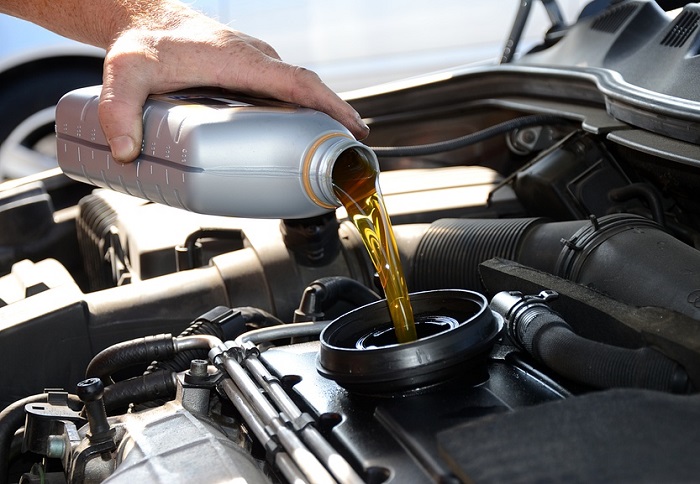
Engine Oil: The Most Important Fluid in Your Hyundai
Engine oil is the lifeblood of your Hyundai’s engine. It lubricates internal components, reduces friction between moving parts, helps control engine temperature, and keeps the inside of your engine clean by carrying away contaminants and debris. Without proper lubrication, engine components can wear rapidly and fail.
As oil breaks down over time through heat and use, it loses its ability to protect your engine effectively. Old or dirty oil becomes thick and sludgy, which reduces its ability to circulate properly and protect components during cold starts. Furthermore, degraded oil increases friction, which raises engine temperatures and accelerates wear on critical parts.
Regular Hyundai oil changes near Olathe help extend engine life, improve fuel efficiency, and maintain the kind of performance your vehicle was built to deliver. Most Hyundai models recommend an oil change every 5,000 to 7,500 miles, though the exact interval depends on your specific model, driving habits, and whether you use conventional or synthetic oil. Our team at McCarthy Hyundai Olathe will confirm the right interval for your vehicle. According to FuelEconomy.gov, regular oil changes are one of the most cost-effective ways to maintain fuel efficiency and extend engine life over time. Check out our current service and parts specials to save on your next oil change in Olathe.
Transmission Fluid: Keeping Your Shifts Smooth and Reliable
Transmission fluid lubricates the gears, clutch packs, and other internal components of your transmission, assists with smooth and precise shifting, and manages the significant heat that builds up inside an automatic or manual transmission during normal driving.
Old or contaminated transmission fluid loses its lubricating properties and can cause rough or delayed shifting, slipping between gears, and increased heat buildup that shortens transmission life. Moreover, a transmission failure is one of the most expensive repairs a vehicle can face. Therefore, routine Hyundai transmission fluid service is a small investment that protects one of your vehicle’s most expensive systems.
The service interval for transmission fluid varies by model and driving conditions. Our certified technicians at McCarthy Hyundai Olathe can check your transmission fluid condition during any service visit and advise you on whether a fluid exchange is needed based on your vehicle’s current mileage and usage patterns near Olathe.
Brake Fluid: A Direct Impact on Your Stopping Safety
Brake fluid is a hydraulic fluid that transfers the force you apply to the brake pedal through the braking system to your calipers and brake pads, allowing safe and consistent stopping every time you drive. Without properly functioning brake fluid, your braking system simply cannot work as intended.
One of the most important things to understand about brake fluid is that it absorbs moisture over time. As moisture content increases, the boiling point of the fluid drops significantly. This can lead to brake fade during hard braking, reduced braking effectiveness, and in severe cases, brake failure. Furthermore, moisture in the system can also accelerate corrosion in brake lines and calipers.
Regular brake fluid service helps ensure that your braking system works reliably on every drive around Olathe, whether you are stopping at a traffic light or making an emergency stop on a busy highway. You can schedule a brake fluid inspection online at any time, and we also offer service and parts financing to help cover repair costs when needed.
Engine Coolant: Protecting Your Engine in Every Kansas Season
Engine coolant, also known as antifreeze, helps regulate your engine’s operating temperature by absorbing heat from the engine and releasing it through the radiator. Without proper coolant levels and condition, your engine can overheat in Kansas summers and freeze in Kansas winters, both of which can cause severe and expensive engine damage.
Low coolant levels can result from leaks or evaporation, while old coolant loses its ability to protect against corrosion and freezing over time. Additionally, the correct coolant-to-water ratio is critical for proper freeze protection during cold Kansas winters. A 50/50 mix of coolant and distilled water is the typical recommendation, but always confirm the right ratio for your specific Hyundai model.
Coolant service is especially important for Olathe drivers given the wide temperature swings Kansas experiences throughout the year. Our team at McCarthy Hyundai Olathe checks coolant condition and level as part of every multi-point inspection. Visit our Hyundai service center in Olathe to have your cooling system inspected today.
Power Steering Fluid: Smooth and Responsive Steering on Gas Models
In Hyundai vehicles equipped with hydraulic power steering, power steering fluid is the hydraulic medium that makes your steering light and responsive. It transmits the force from the power steering pump to the steering rack, reducing the effort needed to turn the wheel and making maneuvering much easier especially at lower speeds and during parking.
Low or degraded power steering fluid can lead to noisy steering, increased steering effort, a stiff or jerky steering feel, and eventually damage to the power steering pump or rack. Furthermore, a fluid leak in the power steering system can cause rapid fluid loss and sudden steering difficulty, which is a genuine safety concern on any road near Olathe.
Note that many newer Hyundai models use electric power steering, which does not require fluid. Our service team can confirm whether your specific Hyundai model uses hydraulic or electric power steering and advise you accordingly during your next visit.
Windshield Washer Fluid: Small Detail, Big Safety Impact
Windshield washer fluid may seem like the least important fluid in your Hyundai, but it plays a bigger safety role than most drivers give it credit for. Clear visibility is essential for safe driving, and a dirty or smeared windshield can significantly reduce your ability to see the road ahead, especially during Kansas dust storms, muddy spring roads, or winter slush spray from other vehicles.
During Kansas winters, it is especially important to use a winter-specific washer fluid formula rated for freezing temperatures. Standard washer fluid can freeze in your reservoir, in the lines, or on contact with your cold windshield, which can make the situation worse rather than better at the worst possible time. Therefore, switching to a winter-rated formula before temperatures drop is a simple and inexpensive step that makes a real difference for visibility and safety near Olathe.
Schedule Your Hyundai Fluid Service at McCarthy Hyundai Olathe
Staying on top of all your Hyundai’s fluid services is one of the most effective things you can do to protect your vehicle’s long-term reliability, safety, and performance. At McCarthy Hyundai Olathe, our Hyundai-certified technicians use manufacturer-approved fluids and follow recommended service intervals to keep your vehicle running at its very best.
Whether you need a routine oil change, a brake fluid exchange, a cooling system flush, or a full multi-point fluid inspection, our team is ready to help. Furthermore, if you need help covering service costs, we offer service and parts financing to spread out expenses. Visit us at 681 N Rawhide, Olathe, KS 66061, or call us at (913) 324-7200. You can also schedule your service appointment online at any time.
Frequently Asked Questions
How often should I change my Hyundai’s engine oil near Olathe?
Most Hyundai models recommend an oil change every 5,000 to 7,500 miles, though this varies by model and oil type. Our team at McCarthy Hyundai Olathe can confirm the right interval for your specific vehicle during your next visit.
How do I know if my Hyundai transmission fluid needs to be changed?
Signs of degraded transmission fluid include rough or delayed shifting, slipping between gears, or a burning smell. Our certified technicians can inspect your transmission fluid condition during any service visit and advise you on whether a fluid exchange is needed.
How often should brake fluid be replaced on a Hyundai?
Hyundai generally recommends replacing brake fluid every two years or as indicated by your vehicle’s maintenance schedule. Our team can check brake fluid moisture content and condition during your next service visit at McCarthy Hyundai Olathe.
What coolant should I use in my Hyundai near Olathe?
Always use Hyundai-approved coolant at the correct dilution ratio for your specific model. Our certified technicians at McCarthy Hyundai Olathe use manufacturer-approved fluids to ensure compatibility and proper protection for Kansas weather conditions.
Does my Hyundai use power steering fluid?
It depends on your model. Many newer Hyundai vehicles use electric power steering, which does not require fluid. Older and some current gas-powered models use hydraulic power steering with fluid. Our team can confirm which system your vehicle uses during your service visit.
How do I schedule a fluid service appointment at McCarthy Hyundai Olathe?
You can schedule a service appointment online at any time, or call us at (913) 324-7200 to speak with a service advisor. We are located at 681 N Rawhide, Olathe, KS 66061.
Sources
- FuelEconomy.gov, Vehicle Maintenance Tips: fueleconomy.gov
- McCarthy Hyundai Olathe, Schedule Service: mccarthyolathehyundai.com
- McCarthy Hyundai Olathe, Service and Parts Specials: mccarthyolathehyundai.com
- McCarthy Hyundai Olathe, Hyundai Service Center: mccarthyolathehyundai.com
Have you noticed reduced airflow through the vents of your Hyundai lately? A musty smell when you turn on the heat or air conditioning? These are common signs that your vehicle may be due for a Hyundai cabin air filter replacement near Olathe. At McCarthy Hyundai Olathe, our certified service team is ready to help you breathe easier on every drive.
The cabin air filter is one of the most overlooked components in routine vehicle maintenance. However, it plays a critical role in the comfort, air quality, and efficiency of your Hyundai’s heating, ventilation, and air conditioning system every single day. In this guide, we break down everything you need to know, from what the filter does to the warning signs that it is time for a replacement.
Visit us at 681 N Rawhide, Olathe, KS 66061, or call us at (913) 324-7200 to schedule your cabin air filter inspection today.
What You Will Find in This Article
- What the cabin air filter does and why it matters
- Warning signs that your Hyundai cabin air filter needs replacing
- The types of cabin air filters available for Hyundai vehicles
- How often you should replace your Hyundai cabin air filter
- How McCarthy Hyundai Olathe makes the replacement fast and easy
- Frequently asked questions about cabin air filter replacement
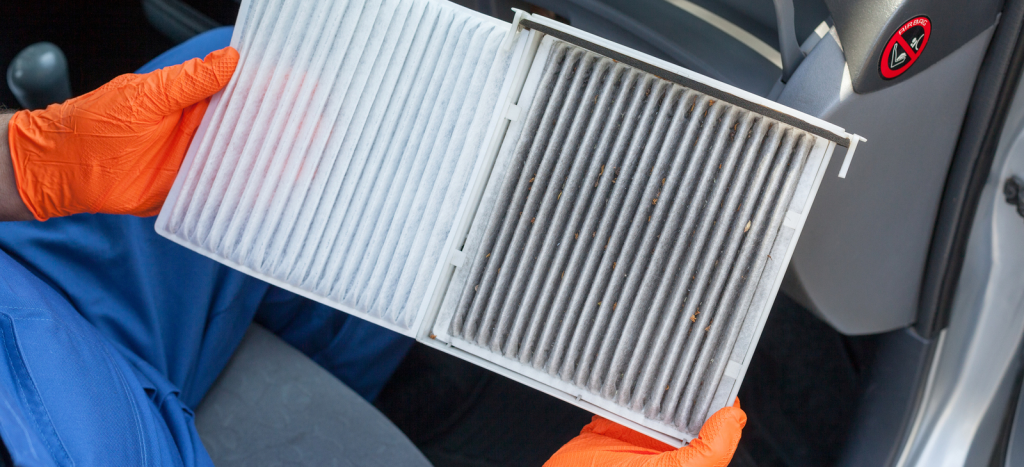
What Does the Cabin Air Filter Do in Your Hyundai?
Though it is often overlooked, the cabin air filter serves a pivotal role in keeping your drives comfortable and healthy. This component is designed to clean all the air that flows through your Hyundai’s heating, ventilation, and air conditioning system before it enters the cabin. By trapping dust, pollen, smog, mold spores, and other airborne pollutants, the filter keeps the air inside your vehicle fresher and healthier for everyone on board.
Furthermore, the cabin air filter also protects your HVAC system components from debris buildup. A clean filter allows air to flow freely, which keeps the blower motor from working harder than necessary. As a result, a properly maintained cabin air filter saves energy and prevents premature wear on other HVAC components like the compressor. Neglecting it, on the other hand, can lead to reduced system efficiency, higher energy consumption, and eventually more expensive repairs.
According to the Environmental Protection Agency, indoor air quality can be significantly worse than outdoor air quality when pollutants are allowed to accumulate without filtration. Therefore, a clean cabin air filter is not just about comfort. It is a genuine health consideration for every person in your vehicle. Browse our current service and parts specials to save on your next cabin air filter replacement in Olathe.
Warning Signs Your Hyundai Cabin Air Filter Needs Replacing
Your cabin air filter will give you several clear signals when it is time for a replacement. Knowing what to look and smell for helps you address the issue before it affects your comfort or HVAC system health near Olathe.
Musty or Unpleasant Odors
One of the most noticeable signs of a dirty or clogged cabin air filter is a musty or sour smell that lingers inside your Hyundai Elantra, Tucson, Santa Fe, or any other model. This odor is especially common when you first turn on the heat or air conditioning after the system has been off for a while. It indicates that mold, mildew, or accumulated debris in the filter is being pushed into the cabin by the blower motor.
Decreased Airflow Through the Vents
If you have noticed that the air coming through your vents seems weaker than it used to be, even when the fan is on its highest setting, a clogged cabin air filter is often the culprit. As debris builds up in the filter, it restricts airflow significantly. Furthermore, reduced airflow can lead to fogged windows and impaired visibility, which creates a genuine safety concern on any drive around Olathe.
Increased Fan Noise
When debris is caught inside a heavily clogged filter, the blower motor has to work much harder to push air through the restriction. As a result, you may notice louder than usual fan noise even at lower fan speed settings. This is a sign that the filter is overdue for replacement and the blower motor is under unnecessary stress.
Poor Air Quality Inside the Vehicle
If passengers are noticing more allergy symptoms, sneezing, or general stuffiness inside the cabin, a saturated cabin air filter that can no longer trap pollutants effectively may be the reason. Additionally, if you notice more dust accumulating on your dashboard and interior surfaces than usual, the filter may no longer be doing its job properly.
If you are experiencing any of these warning signs, our team at McCarthy Hyundai Olathe can inspect and replace your cabin air filter quickly during your next service visit.
Types of Cabin Air Filters Available for Hyundai Vehicles
Hyundai cabin air filters come in two main types, and understanding the difference helps you choose the right level of protection for your daily driving needs near Olathe.
Standard Particulate Filters
The standard particulate filter is the basic option and covers essential filtering of common airborne particles like dust and pollen. It is an effective solution for most everyday driving conditions and is typically the most affordable replacement option. If your primary concern is maintaining good airflow and blocking common allergens, this filter does the job well.
Premium Cabin Air Filters
Premium cabin air filters offer two additional levels of protection beyond basic particle filtration. First, activated carbon filters absorb odors from exhaust fumes, smoke, and other unpleasant smells, keeping the cabin air noticeably fresher. Second, anti-microbial layer filters help prevent the growth of mold and bacteria inside the filter itself, which is especially useful in humid Kansas conditions. If you or your passengers have allergies, respiratory sensitivities, or simply want the cleanest possible cabin air, a premium filter is worth the upgrade.
Our service advisors at McCarthy Hyundai Olathe can help you choose the right filter type for your vehicle and driving habits. We keep cabin air filters in stock, which makes for a fast and easy replacement during any service visit. Additionally, our technicians can inspect your filter’s condition during other routine multi-point inspections, so you do not need to make a separate trip.
How Often Should You Replace Your Hyundai Cabin Air Filter?
Hyundai recommends replacing the cabin air filter at least once a year or every 12,000 miles, whichever comes first. However, if you drive frequently in dusty conditions, through heavy traffic, or on unpaved roads near Olathe, you may need to replace it more often. Furthermore, if you notice any of the warning signs listed above before reaching the 12,000-mile interval, do not wait. Address it promptly to protect your HVAC system and maintain good air quality inside your vehicle.
The good news is that replacing the cabin air filter is a quick and affordable service. Our certified technicians at McCarthy Hyundai Olathe can handle it efficiently as part of any routine maintenance visit. You can schedule your service appointment online at any time, and we also offer service and parts financing if you need help covering any service costs.
How McCarthy Hyundai Olathe Makes Cabin Air Filter Service Easy
At McCarthy Hyundai Olathe, we stock Genuine OEM Hyundai cabin air filters and have the certified technicians ready to handle the replacement quickly during any service visit. Our factory-trained team will inspect your current filter’s condition, recommend the right replacement type for your needs, and have your vehicle back to you with fresh, clean airflow in no time.
Moreover, during every routine service visit at our Olathe location, our technicians include a multi-point inspection that covers your cabin air filter along with other key maintenance items. As a result, you can stay on top of all your vehicle’s maintenance needs in one convenient visit without the need for multiple appointments.
Visit our Hyundai service center in Olathe to learn more about everything our team offers, and check out our current service and parts specials to find savings on your next visit. We are located at 681 N Rawhide, Olathe, KS 66061, and you can reach us at (913) 324-7200.
Additional Maintenance Services at McCarthy Hyundai Olathe
In addition to cabin air filter replacement, our certified service center handles everything your Hyundai needs to stay in peak condition throughout the year. Our services include oil and filter changes, tire rotations and alignments, brake inspections and replacements, fluid exchanges, battery testing, and much more.
If you are also considering a new or used Hyundai, browse our new Hyundai inventory or used Hyundai inventory while you are visiting us. Our team is here to support every stage of your Hyundai ownership experience near Olathe.
Frequently Asked Questions
How do I know if my Hyundai cabin air filter needs replacing near Olathe?
Common signs include a musty or sour smell from the vents, reduced airflow even at high fan speeds, increased blower noise, fogged windows, and more dust or allergens noticed inside the cabin. If you experience any of these, bring your Hyundai to McCarthy Hyundai Olathe for an inspection.
How often should I replace my Hyundai cabin air filter?
Hyundai recommends replacing the cabin air filter at least once a year or every 12,000 miles, whichever comes first. If you drive in dusty or high-traffic conditions near Olathe, more frequent replacement may be needed.
What is the difference between a standard and premium Hyundai cabin air filter?
A standard particulate filter traps dust and pollen for basic air quality protection. A premium filter adds activated carbon for odor absorption and an anti-microbial layer to prevent mold growth, offering a higher level of cabin air quality and protection.
Can a dirty cabin air filter affect my Hyundai’s HVAC system?
Yes. A clogged cabin air filter restricts airflow, forces the blower motor to work harder, and can accelerate wear on other HVAC components like the compressor. Regular replacement protects your entire HVAC system and prevents more expensive repairs down the road.
How long does a cabin air filter replacement take at McCarthy Hyundai Olathe?
Cabin air filter replacement is typically a quick service that our certified technicians can complete efficiently during any routine maintenance visit. Our team stocks Genuine OEM Hyundai filters for fast same-day replacement.
How do I schedule a cabin air filter replacement at McCarthy Hyundai Olathe?
You can schedule your service appointment online at any time, or call us at (913) 324-7200 to speak with a service advisor. We are located at 681 N Rawhide, Olathe, KS 66061.
Sources
- Environmental Protection Agency, Introduction to Indoor Air Quality: epa.gov
- McCarthy Hyundai Olathe, Schedule Service: mccarthyolathehyundai.com
Your Hyundai is designed to deliver dependable performance, efficiency, and long-term value. One of the simplest ways to protect that investment is by staying on top of routine Hyundai vehicle fluid maintenance near Olathe. At McCarthy Hyundai Olathe, our certified technicians help local drivers keep their vehicles running safely and efficiently through every season.
Many drivers do not realize how much the fluids in their vehicle do every single day. Each one plays a specific and critical role in protecting major systems, preventing damage, and keeping your Hyundai performing the way it was designed to. Neglecting even one of them can lead to costly repairs down the road.
In this guide, we explain the most important fluids in your Hyundai, what each one does, and why regular service is essential for every driver near Olathe. Visit us at 681 N Rawhide, Olathe, KS 66061 to schedule your next fluid service today.
What You Will Find in This Article
- Why engine oil is the most critical fluid in your Hyundai
- How transmission fluid keeps your shifts smooth and reliable
- Why brake fluid directly affects your stopping safety
- How engine coolant protects your engine year-round in Kansas
- What power steering fluid does on gas-powered Hyundai models
- Why windshield washer fluid matters more than most drivers think
- How to schedule fluid service at McCarthy Hyundai Olathe
- Frequently asked questions about Hyundai fluid maintenance
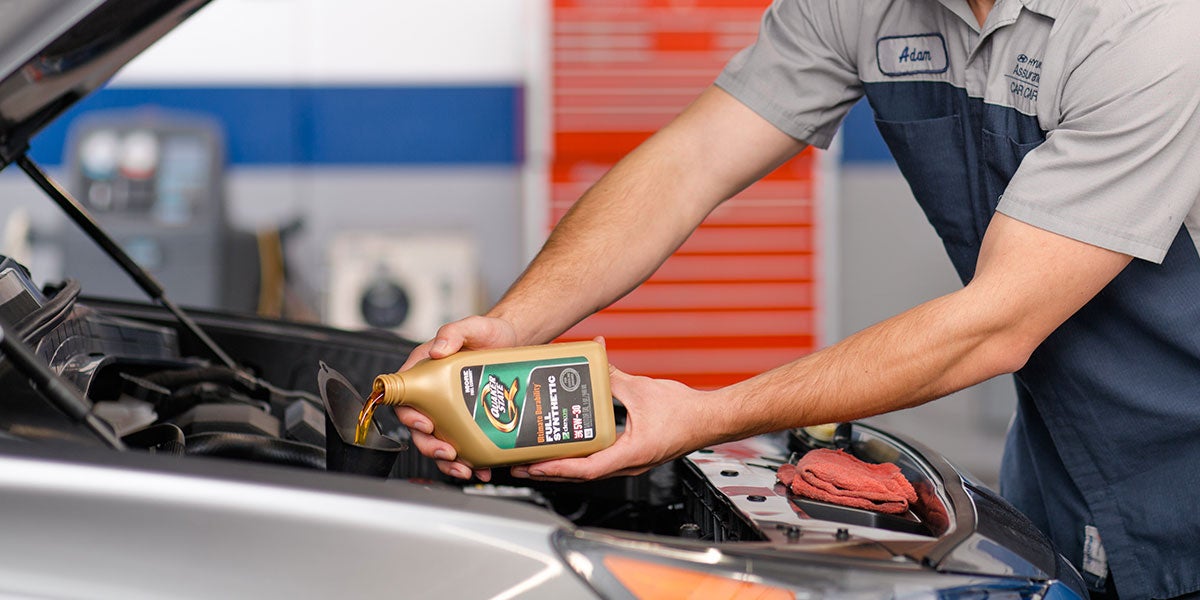
Engine Oil: The Most Important Fluid in Your Hyundai
Engine oil is the lifeblood of your Hyundai’s engine. It lubricates internal components, reduces friction between moving parts, helps control engine temperature, and keeps the inside of your engine clean by carrying away contaminants and debris. Without proper lubrication, engine components can wear rapidly and fail.
As oil breaks down over time through heat and use, it loses its ability to protect your engine effectively. Old or dirty oil becomes thick and sludgy, which reduces its ability to circulate properly and protect components during cold starts. Furthermore, degraded oil increases friction, which raises engine temperatures and accelerates wear on critical parts.
Regular Hyundai oil changes near Olathe help extend engine life, improve fuel efficiency, and maintain the kind of performance your vehicle was built to deliver. Most Hyundai models recommend an oil change every 5,000 to 7,500 miles, though the exact interval depends on your specific model, driving habits, and whether you use conventional or synthetic oil. Our team at McCarthy Hyundai Olathe will confirm the right interval for your vehicle. According to FuelEconomy.gov, regular oil changes are one of the most cost-effective ways to maintain fuel efficiency and extend engine life over time. Check out our current service and parts specials to save on your next oil change in Olathe.
Transmission Fluid: Keeping Your Shifts Smooth and Reliable
Transmission fluid lubricates the gears, clutch packs, and other internal components of your transmission, assists with smooth and precise shifting, and manages the significant heat that builds up inside an automatic or manual transmission during normal driving.
Old or contaminated transmission fluid loses its lubricating properties and can cause rough or delayed shifting, slipping between gears, and increased heat buildup that shortens transmission life. Moreover, a transmission failure is one of the most expensive repairs a vehicle can face. Therefore, routine Hyundai transmission fluid service is a small investment that protects one of your vehicle’s most expensive systems.
The service interval for transmission fluid varies by model and driving conditions. Our certified technicians at McCarthy Hyundai Olathe can check your transmission fluid condition during any service visit and advise you on whether a fluid exchange is needed based on your vehicle’s current mileage and usage patterns near Olathe.
Brake Fluid: A Direct Impact on Your Stopping Safety
Brake fluid is a hydraulic fluid that transfers the force you apply to the brake pedal through the braking system to your calipers and brake pads, allowing safe and consistent stopping every time you drive. Without properly functioning brake fluid, your braking system simply cannot work as intended.
One of the most important things to understand about brake fluid is that it absorbs moisture over time. As moisture content increases, the boiling point of the fluid drops significantly. This can lead to brake fade during hard braking, reduced braking effectiveness, and in severe cases, brake failure. Furthermore, moisture in the system can also accelerate corrosion in brake lines and calipers.
Regular brake fluid service helps ensure that your braking system works reliably on every drive around Olathe, whether you are stopping at a traffic light or making an emergency stop on a busy highway. You can schedule a brake fluid inspection online at any time, and we also offer service and parts financing to help cover repair costs when needed.
Engine Coolant: Protecting Your Engine in Every Kansas Season
Engine coolant, also known as antifreeze, helps regulate your engine’s operating temperature by absorbing heat from the engine and releasing it through the radiator. Without proper coolant levels and condition, your engine can overheat in Kansas summers and freeze in Kansas winters, both of which can cause severe and expensive engine damage.
Low coolant levels can result from leaks or evaporation, while old coolant loses its ability to protect against corrosion and freezing over time. Additionally, the correct coolant-to-water ratio is critical for proper freeze protection during cold Kansas winters. A 50/50 mix of coolant and distilled water is the typical recommendation, but always confirm the right ratio for your specific Hyundai model.
Coolant service is especially important for Olathe drivers given the wide temperature swings Kansas experiences throughout the year. Our team at McCarthy Hyundai Olathe checks coolant condition and level as part of every multi-point inspection. Visit our Hyundai service center in Olathe to have your cooling system inspected today.
Power Steering Fluid: Smooth and Responsive Steering on Gas Models
In Hyundai vehicles equipped with hydraulic power steering, power steering fluid is the hydraulic medium that makes your steering light and responsive. It transmits the force from the power steering pump to the steering rack, reducing the effort needed to turn the wheel and making maneuvering much easier especially at lower speeds and during parking.
Low or degraded power steering fluid can lead to noisy steering, increased steering effort, a stiff or jerky steering feel, and eventually damage to the power steering pump or rack. Furthermore, a fluid leak in the power steering system can cause rapid fluid loss and sudden steering difficulty, which is a genuine safety concern on any road near Olathe.
Note that many newer Hyundai models use electric power steering, which does not require fluid. Our service team can confirm whether your specific Hyundai model uses hydraulic or electric power steering and advise you accordingly during your next visit.
Windshield Washer Fluid: Small Detail, Big Safety Impact
Windshield washer fluid may seem like the least important fluid in your Hyundai, but it plays a bigger safety role than most drivers give it credit for. Clear visibility is essential for safe driving, and a dirty or smeared windshield can significantly reduce your ability to see the road ahead, especially during Kansas dust storms, muddy spring roads, or winter slush spray from other vehicles.
During Kansas winters, it is especially important to use a winter-specific washer fluid formula rated for freezing temperatures. Standard washer fluid can freeze in your reservoir, in the lines, or on contact with your cold windshield, which can make the situation worse rather than better at the worst possible time. Therefore, switching to a winter-rated formula before temperatures drop is a simple and inexpensive step that makes a real difference for visibility and safety near Olathe.
Schedule Your Hyundai Fluid Service at McCarthy Hyundai Olathe
Staying on top of all your Hyundai’s fluid services is one of the most effective things you can do to protect your vehicle’s long-term reliability, safety, and performance. At McCarthy Hyundai Olathe, our Hyundai-certified technicians use manufacturer-approved fluids and follow recommended service intervals to keep your vehicle running at its very best.
Whether you need a routine oil change, a brake fluid exchange, a cooling system flush, or a full multi-point fluid inspection, our team is ready to help. Furthermore, if you need help covering service costs, we offer service and parts financing to spread out expenses. Visit us at 681 N Rawhide, Olathe, KS 66061, or call us at (913) 324-7200. You can also schedule your service appointment online at any time.
Frequently Asked Questions
How often should I change my Hyundai’s engine oil near Olathe?
Most Hyundai models recommend an oil change every 5,000 to 7,500 miles, though this varies by model and oil type. Our team at McCarthy Hyundai Olathe can confirm the right interval for your specific vehicle during your next visit.
How do I know if my Hyundai transmission fluid needs to be changed?
Signs of degraded transmission fluid include rough or delayed shifting, slipping between gears, or a burning smell. Our certified technicians can inspect your transmission fluid condition during any service visit and advise you on whether a fluid exchange is needed.
How often should brake fluid be replaced on a Hyundai?
Hyundai generally recommends replacing brake fluid every two years or as indicated by your vehicle’s maintenance schedule. Our team can check brake fluid moisture content and condition during your next service visit at McCarthy Hyundai Olathe.
What coolant should I use in my Hyundai near Olathe?
Always use Hyundai-approved coolant at the correct dilution ratio for your specific model. Our certified technicians at McCarthy Hyundai Olathe use manufacturer-approved fluids to ensure compatibility and proper protection for Kansas weather conditions.
Does my Hyundai use power steering fluid?
It depends on your model. Many newer Hyundai vehicles use electric power steering, which does not require fluid. Older and some current gas-powered models use hydraulic power steering with fluid. Our team can confirm which system your vehicle uses during your service visit.
How do I schedule a fluid service appointment at McCarthy Hyundai Olathe?
You can schedule a service appointment online at any time, or call us at (913) 324-7200 to speak with a service advisor. We are located at 681 N Rawhide, Olathe, KS 66061.
Sources
- FuelEconomy.gov, Vehicle Maintenance Tips: fueleconomy.gov
- McCarthy Hyundai Olathe, Schedule Service: mccarthyolathehyundai.com
- McCarthy Hyundai Olathe, Service and Parts Specials: mccarthyolathehyundai.com
- McCarthy Hyundai Olathe, Hyundai Service Center: mccarthyolathehyundai.com
The temperature drops, the days get shorter, and before you know it, winter has arrived in Olathe, KS. With increased cold and reduced visibility on Kansas roads, there are some crucial things every Hyundai owner should keep up with to stay safe this season. These Hyundai winter maintenance tips near Olathe apply whether your car is brand new, a few years old, or has over 100,000 miles on it. Cold weather does not wait for anyone.
At McCarthy Hyundai Olathe, we are committed to keeping your vehicle in great condition during the winter months and making sure every drive is as safe as possible for you and your loved ones. In this guide, we walk through every key maintenance area you should address before and during the cold season.
Visit us at 681 N Rawhide, Olathe, KS 66061, or call us at (913) 324-7200 to schedule a winter service check today.
What You Will Find in This Article
- Battery, fluid, belt, and hose checks for cold weather
- Oil change considerations for winter driving near Olathe
- Tire pressure and tread tips for snow and ice
- Wiper blades, lights, heater, and defroster checks
- Brake inspection advice for reduced winter stopping distances
- Emergency kit essentials every Olathe driver should carry
- Undercarriage and paint protection from road salt
- Frequently asked questions about Hyundai winter maintenance
Essential Under-the-Hood Checks Before Winter Hits
Before the coldest weeks of winter arrive in Olathe, several under-the-hood components deserve close attention. Catching these issues early prevents roadside breakdowns and keeps your Hyundai performing reliably no matter how low the temperature drops.
Battery
A weak battery can fail completely in cold temperatures, often with very little warning. Cold weather slows the chemical reactions inside a battery, which reduces its ability to deliver the power your engine needs to start. Therefore, if your battery is older than three years, have it tested as soon as possible. Our service team at McCarthy Hyundai Olathe can perform a battery health check during any service visit and advise you on whether a replacement makes sense before winter arrives.
Fluids
Check and top off all fluids before the cold season begins. Use a winter-grade engine oil if your owner’s manual recommends it, ensure your antifreeze has the correct 50/50 coolant-to-water ratio for freeze protection, and fill your washer fluid reservoir with a formula rated for freezing temperatures. Running out of winter-rated washer fluid on a slushy Kansas highway is both frustrating and dangerous for visibility.
Belts and Hoses
Cold temperatures can make rubber belts and hoses brittle, increasing the risk of cracks or failure. Additionally, a snapped belt during a winter drive can leave you stranded in dangerously cold conditions. Inspect your belts and hoses for any signs of cracking, fraying, or wear, and have our certified technicians replace any that show concern before the temperature drops further.
Oil Change
Cold weather thickens engine oil and reduces its ability to circulate properly through the engine. Fresh oil that flows freely helps protect your engine during cold starts and keeps everything running smoothly throughout the winter. Some experts recommend a slightly thinner oil viscosity during winter months, but always consult your Hyundai owner’s manual or speak with our team before making a change. We can help you decide which oil is right for your specific vehicle and driving habits near Olathe. Check out our current service and parts specials to save on your next oil change visit.
Tire and Visibility Checks That Keep You Safe This Winter
Tires and visibility systems are two of the most important safety factors during Kansas winters. Snow, ice, and freezing rain all reduce stopping distances dramatically. Furthermore, reduced daylight hours make proper lighting and clear sightlines even more critical than usual.
Tires
Check your tire pressure regularly throughout the winter, as cold temperatures cause air pressure to drop. For every 10-degree Fahrenheit drop in temperature, tires typically lose about one pound per square inch of pressure. Moreover, proper tire tread is absolutely essential when snow and ice are reducing your stopping distance. Inspect tread depth carefully and consider new tires or dedicated snow tires if your current set is worn. According to the National Highway Traffic Safety Administration, properly inflated and maintained tires are one of the most important factors in winter driving safety.
Wiper Blades
Replace worn wiper blades before winter arrives and make sure your washer fluid is winter-specific to prevent freezing in the reservoir or on your windshield. Additionally, consider switching to winter wiper blades designed to handle snow and ice accumulation more effectively than standard blades. Clear visibility during a winter storm is not something you want to compromise on any drive around Olathe.
Lights
Ensure all your exterior lights are working properly before winter fully sets in. Shorter days and longer nights near Olathe mean your headlights, taillights, and turn signals are working harder than ever during the cold months. Furthermore, check your fog lights if your Hyundai is equipped with them, as these can be especially valuable during heavy snow or freezing rain conditions.
Heater and Defroster
Your heater and defroster must be in good working condition for both passenger comfort and driver visibility all winter long. Your air conditioning system also needs to be functional to ensure proper defrost operation, as it removes moisture from the air inside the cabin. If your windows are fogging up frequently, make sure the fresh air button is selected rather than recirculation mode. If the defroster is not clearing your windshield effectively, bring your Hyundai to our service center in Olathe for a professional inspection.
Brake Inspection: A Critical Winter Safety Step
Stopping distances increase significantly on icy and snow-covered roads near Olathe. Therefore, making sure your brakes are in top condition before winter is one of the most important safety steps you can take as a Hyundai owner.
Have your brake pads and rotors inspected by our certified technicians before the season gets serious. Talk with your service advisor about the current condition of your brake pads and whether replacement makes sense given the winter ahead. Even if your pads still have some life left in them, replacing them before a harsh Kansas winter can give you the added stopping confidence you need when roads are at their worst. You can schedule a brake inspection online at any time, and we also offer service and parts financing if you need help covering the cost of repairs.
Emergency Preparedness: What Every Olathe Driver Should Carry
Even with a perfectly maintained Hyundai, winter conditions can create unexpected situations. Being prepared with a basic emergency kit can make the difference between a minor inconvenience and a dangerous experience on a cold Kansas night.
Pack a kit with the following essentials and keep it in your vehicle all winter long.
- Jumper cables or a jump starter pack: A dead battery in freezing temperatures is one of the most common winter breakdowns. Make sure you know how to use jumper cables safely.
- A warm blanket: If you are stranded and waiting for help in cold temperatures, a blanket can be essential for staying safe.
- A flashlight with fresh batteries: Visibility drops quickly in winter weather, and a reliable flashlight is always worth having on hand.
- An ice scraper and snow brush: Clear all windows and lights before every drive for maximum visibility.
- Non-perishable snacks and water: If you are stuck for an extended period, having food and water on hand keeps you comfortable and focused.
Protect Your Hyundai’s Undercarriage and Paint From Road Salt
Kansas roads are treated heavily with salt during winter storms, and road salt is one of the most damaging substances for your vehicle’s undercarriage and paint finish. Salt accelerates rust and corrosion, which can cause significant long-term damage if it is allowed to build up throughout the season.
Wash your car’s undercarriage regularly throughout the winter months to remove salt buildup before it causes damage. A touchless car wash is a great option for protecting your paint while still removing road grime and salt from the undercarriage. Moreover, try to wash your Hyundai within a day or two of a major storm to prevent salt from sitting on metal surfaces for extended periods. Our service team can also advise you on protective treatments that help shield your Hyundai’s undercarriage from corrosion over the long term.
Schedule Your Winter Service at McCarthy Hyundai Olathe
By following these winter maintenance tips, you can significantly improve your Hyundai’s safety, performance, and longevity throughout the cold season near Olathe. However, the most reliable way to ensure everything is in top shape is to bring your vehicle in for a professional winter service inspection.
Our factory-trained technicians at McCarthy Hyundai Olathe use Genuine OEM Hyundai parts and state-of-the-art equipment to handle everything from battery tests and oil changes to brake inspections and tire evaluations. We are here for you and your vehicle every step of the way this winter. Visit our Hyundai service center in Olathe or call us at (913) 324-7200 to get started.
Frequently Asked Questions
How do I know if my Hyundai battery needs to be replaced before winter?
If your battery is older than three years, slow engine cranking when starting, or your dashboard shows a battery warning light, it is time for a professional battery test. Our service team at McCarthy Hyundai Olathe can test your battery and replace it if needed before cold weather creates a problem.
What tire pressure should I use on my Hyundai in winter near Olathe?
Always follow the recommended PSI listed on the sticker inside your driver’s door jamb. Check your tire pressure at least once a month during winter, as cold temperatures cause pressure to drop. Our team can check and adjust your tire pressure during any service visit.
Should I switch to winter tires for driving around Olathe in the snow?
If you regularly drive on snow or ice, dedicated winter tires offer significantly better traction than all-season tires in cold conditions. Our service advisors can help you evaluate whether winter tires make sense for your driving habits and budget near Olathe.
How often should I change my oil in winter?
Follow the interval recommended in your Hyundai owner’s manual. However, if you are doing a lot of short cold-weather trips, more frequent oil changes may be beneficial. Our team can advise you on the right interval and oil type for Kansas winter driving conditions.
Can road salt really damage my Hyundai’s undercarriage?
Yes. Road salt accelerates rust and corrosion on metal surfaces underneath your vehicle. Washing your undercarriage regularly throughout winter and applying protective treatments helps minimize long-term damage from salt exposure.
How do I schedule a winter service appointment at McCarthy Hyundai Olathe?
You can schedule a service appointment online at any time, or call us at (913) 324-7200 to speak with a service advisor. We are located at 681 N Rawhide, Olathe, KS 66061.
Sources
- National Highway Traffic Safety Administration, Tire Safety: nhtsa.gov
Essential Under-the-Hood Checks Before Winter Hits
Before the coldest weeks of winter arrive in Olathe, several under-the-hood components deserve close attention. Catching these issues early prevents roadside breakdowns and keeps your Hyundai performing reliably no matter how low the temperature drops.
Battery
A weak battery can fail completely in cold temperatures, often with very little warning. Cold weather slows the chemical reactions inside a battery, which reduces its ability to deliver the power your engine needs to start. Therefore, if your battery is older than three years, have it tested as soon as possible. Our service team at McCarthy Hyundai Olathe can perform a battery health check during any service visit and advise you on whether a replacement makes sense before winter arrives.
Fluids
Check and top off all fluids before the cold season begins. Use a winter-grade engine oil if your owner’s manual recommends it, ensure your antifreeze has the correct 50/50 coolant-to-water ratio for freeze protection, and fill your washer fluid reservoir with a formula rated for freezing temperatures. Running out of winter-rated washer fluid on a slushy Kansas highway is both frustrating and dangerous for visibility.
Belts and Hoses
Cold temperatures can make rubber belts and hoses brittle, increasing the risk of cracks or failure. Additionally, a snapped belt during a winter drive can leave you stranded in dangerously cold conditions. Inspect your belts and hoses for any signs of cracking, fraying, or wear, and have our certified technicians replace any that show concern before the temperature drops further.
Oil Change
Cold weather thickens engine oil and reduces its ability to circulate properly through the engine. Fresh oil that flows freely helps protect your engine during cold starts and keeps everything running smoothly throughout the winter. Some experts recommend a slightly thinner oil viscosity during winter months, but always consult your Hyundai owner’s manual or speak with our team before making a change. We can help you decide which oil is right for your specific vehicle and driving habits near Olathe. Check out our current service and parts specials to save on your next oil change visit.
Tire and Visibility Checks That Keep You Safe This Winter
Tires and visibility systems are two of the most important safety factors during Kansas winters. Snow, ice, and freezing rain all reduce stopping distances dramatically. Furthermore, reduced daylight hours make proper lighting and clear sightlines even more critical than usual.
Tires
Check your tire pressure regularly throughout the winter, as cold temperatures cause air pressure to drop. For every 10-degree Fahrenheit drop in temperature, tires typically lose about one pound per square inch of pressure. Moreover, proper tire tread is absolutely essential when snow and ice are reducing your stopping distance. Inspect tread depth carefully and consider new tires or dedicated snow tires if your current set is worn. According to the National Highway Traffic Safety Administration, properly inflated and maintained tires are one of the most important factors in winter driving safety.
Wiper Blades
Replace worn wiper blades before winter arrives and make sure your washer fluid is winter-specific to prevent freezing in the reservoir or on your windshield. Additionally, consider switching to winter wiper blades designed to handle snow and ice accumulation more effectively than standard blades. Clear visibility during a winter storm is not something you want to compromise on any drive around Olathe.
Lights
Ensure all your exterior lights are working properly before winter fully sets in. Shorter days and longer nights near Olathe mean your headlights, taillights, and turn signals are working harder than ever during the cold months. Furthermore, check your fog lights if your Hyundai is equipped with them, as these can be especially valuable during heavy snow or freezing rain conditions.
Heater and Defroster
Your heater and defroster must be in good working condition for both passenger comfort and driver visibility all winter long. Your air conditioning system also needs to be functional to ensure proper defrost operation, as it removes moisture from the air inside the cabin. If your windows are fogging up frequently, make sure the fresh air button is selected rather than recirculation mode. If the defroster is not clearing your windshield effectively, bring your Hyundai to our service center in Olathe for a professional inspection.
Brake Inspection: A Critical Winter Safety Step
Stopping distances increase significantly on icy and snow-covered roads near Olathe. Therefore, making sure your brakes are in top condition before winter is one of the most important safety steps you can take as a Hyundai owner.
Have your brake pads and rotors inspected by our certified technicians before the season gets serious. Talk with your service advisor about the current condition of your brake pads and whether replacement makes sense given the winter ahead. Even if your pads still have some life left in them, replacing them before a harsh Kansas winter can give you the added stopping confidence you need when roads are at their worst. You can schedule a brake inspection online at any time, and we also offer service and parts financing if you need help covering the cost of repairs.
Emergency Preparedness: What Every Olathe Driver Should Carry
Even with a perfectly maintained Hyundai, winter conditions can create unexpected situations. Being prepared with a basic emergency kit can make the difference between a minor inconvenience and a dangerous experience on a cold Kansas night.
Pack a kit with the following essentials and keep it in your vehicle all winter long.
- Jumper cables or a jump starter pack: A dead battery in freezing temperatures is one of the most common winter breakdowns. Make sure you know how to use jumper cables safely.
- A warm blanket: If you are stranded and waiting for help in cold temperatures, a blanket can be essential for staying safe.
- A flashlight with fresh batteries: Visibility drops quickly in winter weather, and a reliable flashlight is always worth having on hand.
- An ice scraper and snow brush: Clear all windows and lights before every drive for maximum visibility.
- Non-perishable snacks and water: If you are stuck for an extended period, having food and water on hand keeps you comfortable and focused.
Protect Your Hyundai’s Undercarriage and Paint From Road Salt
Kansas roads are treated heavily with salt during winter storms, and road salt is one of the most damaging substances for your vehicle’s undercarriage and paint finish. Salt accelerates rust and corrosion, which can cause significant long-term damage if it is allowed to build up throughout the season.
Wash your car’s undercarriage regularly throughout the winter months to remove salt buildup before it causes damage. A touchless car wash is a great option for protecting your paint while still removing road grime and salt from the undercarriage. Moreover, try to wash your Hyundai within a day or two of a major storm to prevent salt from sitting on metal surfaces for extended periods. Our service team can also advise you on protective treatments that help shield your Hyundai’s undercarriage from corrosion over the long term.
Schedule Your Winter Service at McCarthy Hyundai Olathe
By following these winter maintenance tips, you can significantly improve your Hyundai’s safety, performance, and longevity throughout the cold season near Olathe. However, the most reliable way to ensure everything is in top shape is to bring your vehicle in for a professional winter service inspection.
Our factory-trained technicians at McCarthy Hyundai Olathe use Genuine OEM Hyundai parts and state-of-the-art equipment to handle everything from battery tests and oil changes to brake inspections and tire evaluations. We are here for you and your vehicle every step of the way this winter. Visit our Hyundai service center in Olathe or call us at (913) 324-7200 to get started.
Frequently Asked Questions
How do I know if my Hyundai battery needs to be replaced before winter?
If your battery is older than three years, slow engine cranking when starting, or your dashboard shows a battery warning light, it is time for a professional battery test. Our service team at McCarthy Hyundai Olathe can test your battery and replace it if needed before cold weather creates a problem.
What tire pressure should I use on my Hyundai in winter near Olathe?
Always follow the recommended PSI listed on the sticker inside your driver’s door jamb. Check your tire pressure at least once a month during winter, as cold temperatures cause pressure to drop. Our team can check and adjust your tire pressure during any service visit.
Should I switch to winter tires for driving around Olathe in the snow?
If you regularly drive on snow or ice, dedicated winter tires offer significantly better traction than all-season tires in cold conditions. Our service advisors can help you evaluate whether winter tires make sense for your driving habits and budget near Olathe.
How often should I change my oil in winter?
Follow the interval recommended in your Hyundai owner’s manual. However, if you are doing a lot of short cold-weather trips, more frequent oil changes may be beneficial. Our team can advise you on the right interval and oil type for Kansas winter driving conditions.
Can road salt really damage my Hyundai’s undercarriage?
Yes. Road salt accelerates rust and corrosion on metal surfaces underneath your vehicle. Washing your undercarriage regularly throughout winter and applying protective treatments helps minimize long-term damage from salt exposure.
How do I schedule a winter service appointment at McCarthy Hyundai Olathe?
You can schedule a service appointment online at any time, or call us at (913) 324-7200 to speak with a service advisor. We are located at 681 N Rawhide, Olathe, KS 66061.
Sources
- National Highway Traffic Safety Administration, Tire Safety: nhtsa.gov
Hyundai vehicles are equipped with advanced safety technology, including Lane Keep Assist, Smart Cruise Control, and Forward Collision-Avoidance Assist, all designed to keep you and your passengers safe every single day. At McCarthy Hyundai Olathe, we know that these features perform best when properly maintained. Learning how to maintain Hyundai safety features near Olathe is one of the smartest things you can do as a Hyundai owner.
These systems work quietly in the background on every drive. However, like any precision technology, they need regular attention to stay accurate and reliable. In this guide, we share the key steps you can take to keep your Hyundai’s safety systems running smoothly, along with how our certified service team at 681 N Rawhide, Olathe, KS 66061 can help.
What You Will Find in This Article
- Why keeping sensors and cameras clean matters so much
- How software updates keep your safety systems running at peak efficiency
- How to avoid obstructions that interfere with system performance
- Why you should never ignore dashboard warning alerts
- The importance of scheduling regular certified dealership service
- How McCarthy Hyundai Olathe supports your Hyundai’s safety systems
- Frequently asked questions about Hyundai safety feature maintenance
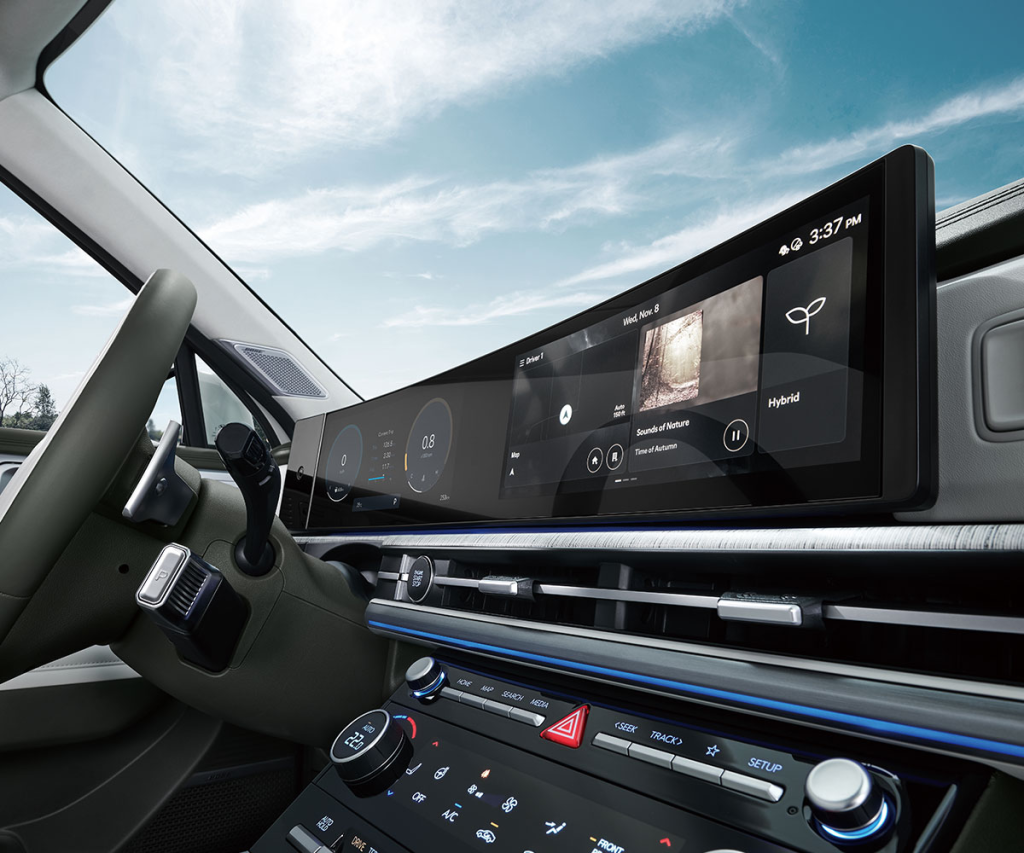
Keep Sensors and Cameras Clean for Reliable Performance
Most Hyundai safety systems rely on radar sensors and cameras located at various points around the vehicle. Dirt, snow, road grime, or even heavy rain can block these sensors and reduce system accuracy significantly. As a result, features like Lane Keep Assist and Forward Collision-Avoidance Assist may not perform the way you expect when you need them most.
Moreover, Kansas weather near Olathe brings plenty of mud, dust, and road salt throughout the year. All of these can build up on sensor locations faster than you might expect. Therefore, making sensor and camera cleaning part of your regular routine is one of the simplest and most effective ways to protect your Hyundai’s safety technology.
Regularly clean your front grille, windshield, side mirrors, and rear bumper areas where sensors and cameras are typically located. For professional cleaning and inspection, our team at McCarthy Hyundai Olathe’s service center can ensure your systems are fully operational and sensors are clear at every angle. Additionally, check out our current service and parts specials to save on your next visit.
Update Your Vehicle Software to Keep Safety Systems Sharp
Hyundai regularly releases software updates to enhance safety systems, fix known issues, and improve overall performance across your vehicle’s technology suite. Skipping these updates means your Lane Keep Assist, Smart Cruise Control, and other SmartSense features may not be running at their best.
Furthermore, many newer Hyundai models support Over-the-Air software updates that can be delivered without a dealership visit. However, some updates still require a visit to our certified service team to ensure everything is properly installed and calibrated. Our factory-trained technicians at McCarthy Hyundai Olathe have the tools and expertise to check for the latest updates and apply them correctly to your specific vehicle.
According to the National Highway Traffic Safety Administration, keeping vehicle software current is an important part of maintaining advanced driver-assistance system reliability. Therefore, staying up to date on software is not optional. It is a genuine safety priority for every Hyundai owner near Olathe. Schedule a service appointment at McCarthy Hyundai Olathe to have our team check your software status today.
Avoid Obstructions That Interfere With Safety System Performance
Lane Keep Assist and Smart Cruise Control rely on clear lanes and completely unobstructed sensors to function correctly. Roof racks, snow buildup on the front grille or windshield, or aftermarket modifications can all interfere with sensor performance in ways that are not always obvious until a system fails to respond when needed.
Additionally, certain aftermarket accessories installed near camera or sensor locations can create blind spots or interference that reduces system accuracy. Therefore, always remove unnecessary roof attachments before long drives and clear any snow, ice, or debris from sensor areas before starting your vehicle in cold Kansas weather. Following Hyundai’s recommended usage guidelines ensures your safety features work correctly on every single drive around Olathe.
If you are unsure whether an accessory or modification could affect your Hyundai’s safety systems, our team at McCarthy Hyundai Olathe is happy to review your vehicle and advise you on the best approach. Visit our Hyundai service center in Olathe for personalized guidance.
Monitor Warning Alerts and Act on Them Promptly
Hyundai vehicles notify drivers when a safety system is unavailable or requires attention through dashboard warning lights or infotainment alerts. These alerts are your vehicle’s way of telling you that something needs attention before the next drive.
Ignoring these alerts is one of the most common mistakes Hyundai owners make. A warning light for Lane Keep Assist or Smart Cruise Control might indicate a blocked sensor, a calibration issue, or a software fault that requires professional attention. Furthermore, driving with a disabled or degraded safety system means you are losing the protection those features were designed to provide on every trip.
Consequently, if you see a SmartSense warning or any alert related to your safety systems, do not wait. Bring your Hyundai to McCarthy Hyundai Olathe for professional inspection and calibration as soon as possible. Our certified technicians can diagnose and resolve the issue quickly so your systems are back to full operation. You can schedule a service appointment online at any time, and we also offer service and parts financing if you need help covering repair costs.
Schedule Regular Dealership Service for Full System Inspections
Certified Hyundai technicians have the specialized tools and expertise to inspect, calibrate, and maintain advanced safety features in ways that general repair shops simply cannot match. Regular inspections at a certified dealership help prevent minor issues from becoming costly repairs down the road.
Moreover, during routine service visits at McCarthy Hyundai Olathe, our team will check your SmartSense systems as part of a thorough multi-point inspection. This includes verifying sensor alignment, camera clarity, software version status, and system calibration across all safety features. Therefore, combining your safety system check with an oil change, tire rotation, or other routine maintenance is one of the most efficient ways to keep everything in top shape.
Maintaining your Hyundai’s safety features ensures reliable lane keeping, adaptive cruise control, and collision prevention on every drive near Olathe. By cleaning sensors, updating software, monitoring alerts, and trusting certified service at McCarthy Hyundai Olathe, you can drive with confidence knowing your vehicle’s advanced safety systems are working perfectly every time you get behind the wheel.
Visit us at 681 N Rawhide, Olathe, KS 66061, or call us at (913) 324-7200 to schedule your next service appointment. You can also book online at any time that is convenient for you.
Additional Ways McCarthy Hyundai Olathe Supports Your Safety Systems
Beyond routine maintenance, our service center offers a full range of support for every Hyundai safety feature. Whether you need a camera recalibration after a windshield replacement, a sensor cleaning after a Kansas dust storm, or a full SmartSense system diagnostic after a warning light appears, our team is ready to help.
We use only Genuine OEM Hyundai parts and state-of-the-art diagnostic equipment, so every repair and calibration meets the exact specifications your vehicle was built to. Furthermore, all service work is documented in your vehicle’s history, which keeps your warranty support aligned with Hyundai’s requirements.
Check out our current service and parts specials to find savings on your next visit. If your Hyundai is due for new inventory consideration as well, browse our new Hyundai inventory or used Hyundai inventory to see what is available at our Olathe dealership today.
Frequently Asked Questions
How often should I have my Hyundai safety systems inspected near Olathe?
We recommend having your SmartSense systems checked at every routine service visit, typically every 5,000 to 7,500 miles. Our team at McCarthy Hyundai Olathe includes a multi-point inspection with every service appointment that covers your safety system components.
What happens if my Hyundai Lane Keep Assist stops working?
A warning alert will appear on your dashboard or infotainment display. Do not ignore it. Common causes include a blocked camera or sensor, a software issue, or a calibration problem. Bring your vehicle to our service center in Olathe for a professional diagnosis as soon as possible.
Can I clean the Hyundai safety sensors myself at home?
Yes, for basic surface cleaning. Regularly wiping down your front grille, windshield, side mirrors, and bumper areas with a soft cloth helps keep sensors clear. However, for a thorough inspection and calibration, a visit to our certified service team is always the safest option.
Does my Hyundai get software updates for its safety features?
Yes. Hyundai releases software updates that can improve safety system performance. Many newer models support Over-the-Air updates, while others require a dealership visit. Our team at McCarthy Hyundai Olathe can check your current software version and apply any available updates during your service visit.
Can aftermarket accessories affect my Hyundai’s safety systems?
Yes. Roof racks, certain films, or accessories placed near sensor or camera locations can interfere with system performance. If you are unsure whether a modification affects your safety features, our team is happy to advise you during a service visit.
How do I schedule a safety system inspection at McCarthy Hyundai Olathe?
You can schedule a service appointment online at any time, or call us at (913) 324-7200 to speak with a service advisor directly. We are located at 681 N Rawhide, Olathe, KS 66061.
Sources
- National Highway Traffic Safety Administration, Automated Vehicles for Safety: nhtsa.gov
When shopping for a new SUV near Olathe, KS, the 2026 Hyundai Santa Fe vs 2026 Hyundai Palisade comparison is one of the most common decisions our customers face. Both vehicles deliver strong value, advanced technology, and Hyundai’s excellent warranty coverage. However, they are built to serve slightly different needs and lifestyles.
At McCarthy Hyundai Olathe, we help families and commuters compare these two popular midsize SUVs every day. In this guide, we break down what sets the Santa Fe and Palisade apart in terms of performance, interior space, features, safety technology, and overall versatility. By the end, you will know exactly which one is right for you and your family.
Visit us at 681 N Rawhide, Olathe, KS 66061 to see both SUVs in person, take a test drive, and let our team help you find the perfect fit.
What You Will Find in This Article
- A quick overview of both the Santa Fe and Palisade
- Performance and engine differences between the two models
- Interior space and seating capacity compared side by side
- Technology and safety features on both vehicles
- Hybrid options available for both the Santa Fe and Palisade
- A simple guide to help you choose the right SUV for your lifestyle
- Frequently asked questions about the Santa Fe vs Palisade
Overview: Two Great Midsize SUVs With Different Strengths
Both the 2026 Santa Fe and 2026 Palisade share Hyundai’s modern design language and commitment to safety and quality. However, their size, seating capacity, and feature availability differ in ways that matter a great deal depending on how you use your vehicle every day near Olathe.
- 2026 Hyundai Santa Fe: A midsize SUV that is great for daily driving, families who want a comfortable and tech-packed vehicle, and drivers who prioritize solid fuel efficiency without sacrificing style or capability.
- 2026 Hyundai Palisade: A larger midsize SUV with three-row seating that is perfect if you need more passenger space, cargo capacity, or frequent room for larger families and longer trips.
Furthermore, both models are available in hybrid configurations, which offer improved fuel economy without asking you to sacrifice style or function. Consequently, whichever direction you choose, you are getting one of the most well-rounded SUV lineups available in the market today. Browse our current new Hyundai inventory in Olathe to explore both models and their available trims.
Performance: Which Engine Is Right for You?
2026 Hyundai Santa Fe Performance
The Santa Fe offers two primary engine options to match different driving preferences. First, a 2.5-liter inline-4 engine delivers smooth and efficient performance for daily driving needs around Olathe. Second, a turbocharged 2.5-liter inline-4 delivers a more energetic performance for drivers who want extra responsiveness on the highway or during merges.
Both engines pair with an 8-speed automatic transmission and are available in either front-wheel drive or all-wheel drive. The Santa Fe delivers confident handling with a comfortable ride quality, making it a strong choice for suburban and city driving throughout the Kansas City area.
2026 Hyundai Palisade Performance
The Palisade uses a 3.8-liter V6 engine that provides robust power, especially helpful when carrying a full load of passengers or cargo at highway speeds. It also features an 8-speed automatic transmission and available AWD for enhanced traction in varying road conditions.
While the Palisade is slightly larger and heavier than the Santa Fe, its V6 delivers smooth acceleration and strong highway performance. As a result, it is ideal for road trips, weekend adventures, and any situation where you need to carry more people or gear without compromise. Additionally, both the Santa Fe and Palisade are available in hybrid configurations for drivers who want even better fuel economy. Explore our new Hyundai hybrid inventory at McCarthy Hyundai Olathe.
Interior Space and Seating: The Key Difference Between the Two
One of the biggest differences between the Santa Fe and Palisade is their interior size and passenger configuration. This is often the deciding factor for families near Olathe who are weighing the two models against each other.
2026 Hyundai Santa Fe Interior
- Seating: Six to seven passengers depending on configuration.
- Cargo Space: Ample room for luggage, groceries, and gear, with easy fold-down rear seats for expanded cargo capacity.
- Interior Style: A refined cabin with modern technology and comfort features that enhance both the driver and passenger experience on every trip.
2026 Hyundai Palisade Interior
- Seating: Up to eight passengers depending on trim and configuration.
- Cargo Space: Significantly more cargo room than the Santa Fe, especially behind the third row. With the rear seats folded, the Palisade offers class-leading cargo capacity of up to 86.7 cubic feet.
- Interior Features: Available premium upgrades including second-row captain’s chairs, a 12.3-inch touchscreen, and a 14-speaker Bose stereo system.
If you need space for more passengers or extra gear on a regular basis, the Palisade’s roomier cabin and flexible seating configurations are a significant advantage. However, if you primarily drive with two to five passengers and value a slightly more compact footprint around Olathe, the Santa Fe is the smarter fit. According to Car and Driver, the Palisade earns high marks for its interior roominess and overall family-friendly versatility. You can experience both cabins firsthand by scheduling a test drive at McCarthy Hyundai Olathe.
Technology and Safety Features on Both Models
Both the Santa Fe and Palisade include Hyundai’s latest in-car technology and advanced safety systems designed to keep you connected and protected on every trip. Here is what they share and where they differ.
Common Technology Across Both Models
- Large touchscreen display with wireless Apple CarPlay and Android Auto integration.
- Wireless phone charging for front-row passengers.
- Hyundai SmartSense safety suite including Forward Collision-Avoidance Assist, Lane Keeping Assist, Blind-Spot Collision-Avoidance Assist, and Rear Cross-Traffic Collision-Avoidance Assist.
Where the Palisade Goes Further
The Palisade adds premium options that make longer drives and larger family trips more comfortable. These include high-end audio systems, second-row captain’s chairs that can recline and deploy a footrest, and a power-adjustable third row for extra cargo space when needed. Additionally, available features like the built-in dual-camera Dash Cam, Highway Driving Assist 2, and Camera Cleaning System make the Palisade one of the most technologically advanced family SUVs in its class.
Where the Santa Fe Shines
The Santa Fe prioritizes convenience and daily usability with technology features that enhance everyday comfort without adding unnecessary complexity. Furthermore, the available full-display digital rearview mirror, Remote Smart Parking Assist on Limited and Calligraphy trims, and Hyundai Digital Key 2 Premium make the Santa Fe a genuinely smart daily companion for Olathe families.
Hybrid Options: Better Efficiency Without the Trade-Offs
Both the Santa Fe and Palisade are available in hybrid configurations, which offer improved fuel economy without asking you to give up space, comfort, or capability. The Santa Fe Hybrid delivers up to 34 MPG combined, while the Palisade Hybrid offers up to 29 to 31 MPG combined with a powerful 329-hp output from its turbo GDI hybrid powertrain.
Moreover, neither hybrid requires plugging in. Both recharge automatically through regenerative braking and the gas engine, so your daily routine near Olathe stays completely unchanged. Therefore, if fuel savings matter to you but you are not ready to commit to a plug-in vehicle, either hybrid is an excellent choice.
Which SUV Is Right for Your Olathe Lifestyle?
Here is a straightforward summary to help guide your decision between these two outstanding vehicles.
Choose the 2026 Hyundai Santa Fe if you want a midsize SUV that is efficient and comfortable for daily driving, a refined cabin with smart everyday technology, available towing capacity up to 4,500 lbs, and a footprint that is easy to park around Olathe.
Choose the 2026 Hyundai Palisade if you want three-row seating for up to eight passengers, significantly more cargo capacity for family trips and weekend adventures, premium comfort features like Relaxation Seating, and the confidence of a 329-hp hybrid powertrain or a strong V6 gas engine.
Both SUVs offer impressive value, reliability, and family-friendliness. However, your lifestyle and passenger needs will determine the best pick. You can use our buying power tool to estimate your budget, or apply for financing online before your visit. Additionally, our trade-in value tool can help you apply your current vehicle toward your new purchase.
You can also browse our used Hyundai inventory or our Certified Pre-Owned Hyundai program if you prefer a pre-owned option with added warranty protection. Visit us at 681 N Rawhide, Olathe, KS 66061, or call us at (913) 324-7200.
Ongoing Service and Support at McCarthy Hyundai Olathe
After your purchase, our certified service center continues to support your Santa Fe or Palisade for years to come. Our factory-trained technicians handle everything from routine maintenance to hybrid system inspections using Genuine OEM Hyundai parts throughout.
Check out our current service and parts specials to save on routine maintenance. You can also schedule a service appointment online at any time. Furthermore, if you need help covering service costs, we offer service and parts financing to spread out expenses. Visit our Hyundai service center in Olathe to see the difference a dedicated team makes.
Frequently Asked Questions
What is the main difference between the 2026 Santa Fe and 2026 Palisade?
The biggest difference is size and seating. The Santa Fe seats six to seven passengers and offers a more compact and efficient package. The Palisade seats up to eight and provides significantly more cargo space, especially behind the third row.
Are both the Santa Fe and Palisade available as hybrids?
Yes. Both models offer hybrid configurations. The Santa Fe Hybrid delivers up to 34 MPG combined, while the Palisade Hybrid offers up to 29 to 31 MPG combined. Neither requires plugging in, as both recharge automatically through regenerative braking.
Which model is better for towing near Olathe?
Both can tow, but the Santa Fe is rated up to 4,500 lbs when properly equipped, making it a strong choice for families with a boat or small camper. The Palisade focuses more on passenger and cargo capacity than towing.
Do both vehicles include Hyundai SmartSense safety features?
Yes. Both the Santa Fe and Palisade include Hyundai SmartSense standard across all trims, covering Forward Collision-Avoidance Assist, Lane Keeping Assist, Blind-Spot Collision-Avoidance Assist, and more.
Can I test drive both the Santa Fe and Palisade at McCarthy Hyundai Olathe?
Absolutely. Visit us at 681 N Rawhide, Olathe, KS 66061, and our team will set up a side-by-side comparison so you can experience both vehicles on a route that mirrors your daily driving needs.
Which vehicle is better for a growing family near Olathe?
For families that regularly carry more than five passengers or need maximum cargo space, the Palisade is the stronger choice. For smaller families who want a versatile, efficient, and tech-forward SUV for everyday use, the Santa Fe is an excellent fit.
Sources
- Car and Driver, 2026 Hyundai Palisade Review: caranddriver.com


McCarthy Hyundai of Olathe

Address
683 North Rawhide Drive
Olathe, KS 66061-3688
Phone
- Sales 913-213-0411
- Service 913-324-7200
- Parts 913-324-7200
| Monday | 9:00AM - 7:00PM |
| Tuesday | 9:00AM - 7:00PM |
| Wednesday | 9:00AM - 7:00PM |
| Thursday | 9:00AM - 7:00PM |
| Friday | 9:00AM - 6:00PM |
| Saturday | 9:00AM - 6:00PM |
| Sunday | Closed |
| Monday | 7:00AM - 6:00PM |
| Tuesday | 7:00AM - 6:00PM |
| Wednesday | 7:00AM - 6:00PM |
| Thursday | 7:00AM - 6:00PM |
| Friday | 7:00AM - 6:00PM |
| Saturday | 7:00AM - 3:00PM |
| Sunday | Closed |
| Monday | 7:00AM - 6:00PM |
| Tuesday | 7:00AM - 6:00PM |
| Wednesday | 7:00AM - 6:00PM |
| Thursday | 7:00AM - 6:00PM |
| Friday | 7:00AM - 6:00PM |
| Saturday | 7:00AM - 3:00PM |
| Sunday | Closed |