



Summary:
Electric vehicles are everywhere these days, but hydrogen fuel cell vehicles are still a bit of a mystery to most people, especially here in the Midwest. So what exactly is the difference between the two, and is one actually better than the other? In this post we break down how each technology works, the pros and cons of both, and why EVs have pulled so far ahead in popularity, so you can figure out which one makes the most sense for you.
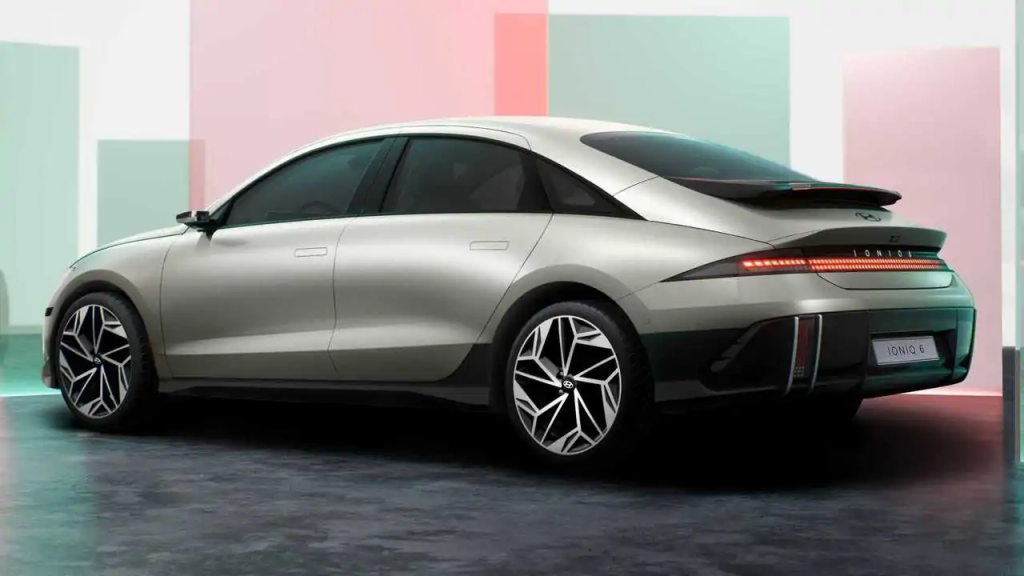
Table of Contents
EV vs Hydrogen Fuel Cell Overview
At this point just about everyone understands the basics of electric vehicles. You have probably driven past a few of them in traffic recently, and you may even know someone who owns one. However the same cannot really be said for hydrogen fuel cell vehicles, especially if you live here in the Midwest.
Despite their relative obscurity, hydrogen fuel cells have actually been around for years and they have a few genuine advantages compared to EVs. So is one actually better than the other? Which one is right for you? Let us break it all down.
Electric Vehicles
The idea behind an electric vehicle is straightforward. Instead of an internal combustion engine that burns fuel to power the car, electric cars use a rechargeable high-voltage battery. While they are not quite as widespread as hybrids or traditional gas-powered cars just yet, EVs are steadily gaining more and more converts every year thanks to rapidly improving battery technology.
Pros of Electric Vehicles
One of the biggest financial benefits of owning a battery electric vehicle is that they are cheaper to operate than a car with an internal combustion engine. It simply costs less money to drive an EV an equivalent number of miles, even if you are recharging at a public station, because electricity is a far more plentiful resource than gasoline. Electricity prices are also more stable, which means you no longer have to stress about fluctuating gas costs every time you pull up to a pump.
There are other ways to save with EVs too. Depending on the specific model, U.S. buyers may be eligible for significant federal and local government tax credits that can go a long way toward offsetting the higher upfront price tag. On top of that, EVs allow for convenient at-home charging, which can almost completely eliminate the need to rely on public charging stations for your everyday driving needs.
EVs also tend to come with noticeably lower service bills over time. Because they have fewer mechanical parts than gas engines and do not rely on as many fluids to keep things running smoothly, routine maintenance is simpler and less frequent. That means no more oil changes.
Another underrated benefit of electric vehicles is their driving performance. Because electric motors deliver torque almost instantly, EVs accelerate significantly faster than a comparable gas-powered car, which makes for a genuinely fun and responsive driving experience.
Cons of Electric Vehicles
The most common concern shoppers bring up when considering an EV is range anxiety. In reality though, many recently released electric vehicles offer range that is just as good or better than a gas-powered car. The Hyundai IONIQ 6 for example can travel up to 361 miles on a single charge, which is impressive by any standard.
That said, pure range is not the only factor to consider. People who live in more rural communities may not have easy access to EV charging infrastructure, particularly if they do not have a reliable home charging setup. Not everyone has the option of living close to a dense network o
Hydrogen Fuel Cell Vehicles
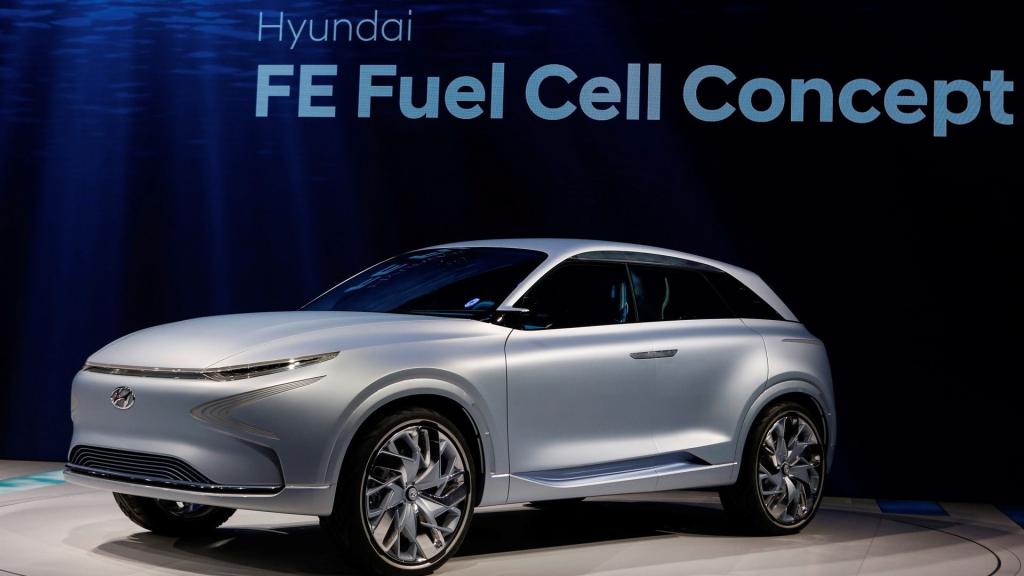
Hydrogen fuel cell vehicles are also known as fuel cell electric vehicles or FCEVs. Instead of a rechargeable battery, they use high-pressure hydrogen gas as their fuel source. The hydrogen is pumped into a tank and then mixed with oxygen from the surrounding air, which causes a chemical reaction that generates electricity to power the vehicle. The only byproduct of this entire process is water vapor, making FCEVs one of the cleanest forms of transportation available today.
Pros of Hydrogen Fuel Cell Vehicles
Hydrogen fuel cell vehicles share a lot of the same core benefits as battery electric vehicles. Because they do not emit harmful greenhouse gases, they contribute far less to air pollution compared to traditional internal combustion engine vehicles.
FCEVs also tend to offer more range than the average electric vehicle. As a real world example, the 2023 Hyundai NEXO Fuel Cell is rated for 380 miles on a single fill, whereas many entry-level EVs tend to get closer to 200 miles on a single charge. That extra range can make a meaningful difference for drivers who cover a lot of ground on a regular basis.
Refueling is another area where hydrogen fuel cell vehicles have a clear edge over EVs. Filling up a hydrogen tank is much quicker than charging a battery and is much more comparable to a standard trip to a gas station, which makes the ownership experience feel a lot more familiar for drivers who are used to traditional vehicles.
Cons of Hydrogen Fuel Cell Vehicles
Hydrogen fuel cell technology is still relatively new in mass-produced consumer vehicles, which largely explains why FCEVs tend to be significantly more expensive than both EVs and gas-powered cars. They also do not benefit from nearly as many potential tax credits as electric vehicles, which makes the price gap even harder to close for most buyers.
Hydrogen itself is also expensive to produce due to its relative rarity as a readily available fuel source. This can result in fuel costs that are even higher than gasoline in some cases, and it has also contributed to some fairly serious supply shortages in markets where FCEVs are available.
But without a doubt the biggest and most immediate drawback of hydrogen fuel cell vehicles is their availability. As of right now in the United States, FCEVs can only be purchased in California. No other state currently has the hydrogen refilling infrastructure needed to support them, which means that if you live here in Kansas or anywhere else in the Midwest, an FCEV is simply not a practical option at this point in time.
Why Are EVs More Popular Than Hydrogen Fuel Cells?
For a little while it genuinely looked like EVs and FCEVs were going to have a close competition to see which one became the dominant green automotive technology. So how is it that you can find electric vehicles in all 50 states while FCEVs are only sold in one? Why did electric vehicles pull so far ahead?
According to researchers at MIT, higher production costs and a lack of infrastructure are the two main reasons hydrogen fuel cell vehicles have not gained the same traction as EVs in 2024. Because FCEVs are more expensive to manufacture, automakers simply do not have enough financial incentive to bring them to market at scale. On top of that, building out hydrogen refilling infrastructure is a much more complex undertaking than expanding EV charging networks, because it requires shipping hydrogen across the country and building entirely new refilling stations from scratch. EVs on the other hand allow automakers and city planners to tap into electrical grids that already exist everywhere.
That said nobody can say for certain which technology will come out on top in the years ahead. Both are improving steadily, and there may still be a very bright future for hydrogen fuel cell vehicles down the road. It is definitely a space worth keeping an eye on.
In the meantime, if you are ready to make the switch to an electric vehicle, McCarthy Olathe Hyundai has you covered. We have the Hyundai IONIQ 5 and IONIQ 6 in stock and ready to go. Give us a call at (913) 324-7200 to ask about our finance specials and find out how you can save thousands off the price of a new EV today.
Frequently Asked Questions
What is the difference between an EV and a hydrogen fuel cell vehicle?
An EV runs on a rechargeable high-voltage battery that you charge using electricity. A hydrogen fuel cell vehicle uses compressed hydrogen gas that reacts with oxygen to generate electricity and power the motor, emitting only water vapor in the process.
Are hydrogen fuel cell vehicles available in Kansas?
No. As of 2024, hydrogen fuel cell vehicles are only available for purchase in California due to the lack of hydrogen refilling infrastructure in other states including Kansas.
How long does it take to charge an electric vehicle?
With 800-volt DC fast charging, the IONIQ 6 can charge from 10% to 80% in under 20 minutes. Most public DC chargers operate at lower voltages, which can mean 40 to 50 minutes of charging time depending on where you stop.
Do electric vehicles qualify for tax credits?
Yes. Depending on the model, U.S. buyers may qualify for significant federal and local tax credits on electric vehicles, which can help offset the higher upfront purchase price considerably.
Why are EVs more popular than hydrogen fuel cell vehicles?
According to MIT researchers, higher production costs and lack of refilling infrastructure are the two main reasons FCEVs have not gained the same traction as electric vehicles, which can tap into existing electrical grids across all 50 states.


McCarthy Hyundai of Olathe

Address
683 North Rawhide Drive
Olathe, KS 66061-3688
Phone
- Sales 913-213-0411
- Service 913-324-7200
- Parts 913-324-7200
| Monday | 9:00AM - 7:00PM |
| Tuesday | 9:00AM - 7:00PM |
| Wednesday | 9:00AM - 7:00PM |
| Thursday | 9:00AM - 7:00PM |
| Friday | 9:00AM - 6:00PM |
| Saturday | 9:00AM - 6:00PM |
| Sunday | Closed |
| Monday | 7:00AM - 6:00PM |
| Tuesday | 7:00AM - 6:00PM |
| Wednesday | 7:00AM - 6:00PM |
| Thursday | 7:00AM - 6:00PM |
| Friday | 7:00AM - 6:00PM |
| Saturday | 7:00AM - 3:00PM |
| Sunday | Closed |
| Monday | 7:00AM - 6:00PM |
| Tuesday | 7:00AM - 6:00PM |
| Wednesday | 7:00AM - 6:00PM |
| Thursday | 7:00AM - 6:00PM |
| Friday | 7:00AM - 6:00PM |
| Saturday | 7:00AM - 3:00PM |
| Sunday | Closed |