



Is it finally time to move on from your current vehicle?
It is a question most drivers in Olathe and the greater Kansas City area eventually ask themselves. Sometimes the answer is obvious, like a major breakdown. More often, the signs build gradually over time.
The key is knowing the difference between wanting a new car and truly needing one. If you have been going back and forth, here are 10 clear signs your current vehicle may be nearing the end of its useful life, and why upgrading could save you money, stress, and time in the long run.
If you are ready to explore options, you can browse our new Hyundai inventory, compare our used vehicles for sale in Olathe, or review current new vehicle specials and pre owned vehicle specials.
Quick Summary
If your current vehicle is becoming less safe, less efficient, more expensive to repair, or no longer fits your lifestyle, it may be time to replace it. For many drivers, the smartest time to upgrade is before constant repairs and reliability issues start costing more than the vehicle is worth.
Table of Contents
- Your Vehicle Has Safety Limitations
- You’re Spending Too Much on Gas
- Frequent Repairs Are Adding Up
- Your Car No Longer Fits Your Lifestyle
- Your Air Conditioning Keeps Failing
- Rust or Corrosion Is Visible
- Your Technology Feels Outdated
- Insurance Costs Aren’t Dropping
- Your Car Is Over 10 Years Old
- Your Mileage Is Getting High
- Should You Replace or Repair Your Car?
- Frequently Asked Questions
1. Your Vehicle Has Safety Limitations
Modern vehicles are safer than ever, and that matters every time you get behind the wheel. If your car is missing features like a rearview camera, blind spot monitoring, adaptive cruise control, or forward collision mitigation, it may be time to start thinking seriously about an upgrade.
According to the U.S. Department of Transportation, rear visibility technology became required on new vehicles built on or after May 1, 2018. If your current vehicle does not include that feature, it may be outdated in more ways than one.
Newer Hyundai models offer advanced driver assistance features designed to help protect you and your passengers. If safety is one of your top priorities, browsing our new Hyundai inventory is a good place to start.
2. You’re Spending Too Much on Gas
Fuel prices may rise and fall, but older vehicles almost always fall behind newer models when it comes to efficiency. If you are making more trips to the gas station and noticing your monthly fuel costs creeping higher, your vehicle may be costing you more than you realize.
Upgrading to a more efficient SUV or sedan can make a meaningful difference over time. For example, many Hyundai models offer significantly better fuel economy than older vehicles, and hybrid options can help even more.
If fuel savings matter to you, now could be a smart time to compare our new vehicle inventory with current new vehicle specials.
3. Frequent Repairs Are Adding Up
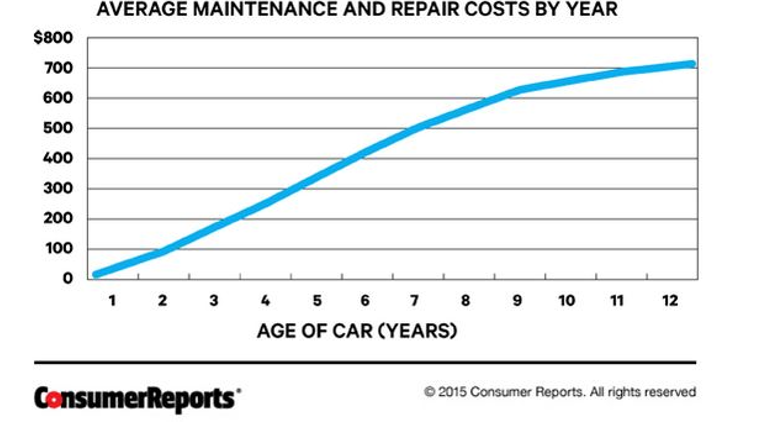
A repair here and there is normal. Constant repairs are not. If you are visiting the mechanic more often, paying for repeated fixes, or dealing with surprise breakdowns, your vehicle may be reaching the point where keeping it no longer makes financial sense.
As vehicles age, maintenance costs usually rise. What feels like one more repair can turn into a recurring pattern that drains your budget without improving long term reliability.
If you are not sure whether it is time to replace your vehicle or try to extend its life, you can schedule service online for an inspection, or explore service and parts financing if you need help managing repair costs.
4. Your Car No Longer Fits Your Lifestyle
Life changes, and your vehicle should keep up with it. Maybe your family has grown, maybe you need more cargo space, or maybe your commute has changed and you want something more efficient or easier to drive every day.
A vehicle that worked well a few years ago may not be the right fit now. Upgrading to a roomier SUV or moving into a more practical commuter vehicle can make daily life a lot easier.
If you want more flexibility, compare our new Hyundai models with our used inventory to see which option best fits your current needs.
5. Your Air Conditioning Keeps Failing
Driving through a Kansas summer without dependable air conditioning is not something most drivers want to deal with. While a one time A/C repair may be manageable, ongoing issues with compressors, leaks, or weak airflow can point to a vehicle that is getting more expensive to maintain.
If your cooling system keeps failing, it may be worth comparing the repair cost against the value of upgrading to a newer, more reliable vehicle.
6. Rust or Corrosion Is Visible
Rust is more than a cosmetic issue. Over time, corrosion can weaken structural components and spread into areas that are costly to repair. If you are noticing rust around the wheel wells, body panels, or undercarriage, it may be a warning sign that your vehicle is not a good long term investment anymore.
Once corrosion becomes serious, repair costs can climb quickly, and the vehicle may never fully recover in terms of value or durability.
7. Your Technology Feels Outdated
If your current car still relies on CDs, AUX cables, or limited connectivity, it may be falling behind what many drivers now expect from their everyday vehicle. Newer models often include Apple CarPlay, Android Auto, wireless connectivity, voice controls, navigation, and larger touchscreen displays.
These features are not just about convenience. They can also help reduce distraction and improve the overall driving experience. If modern technology matters to you, it may be time for an upgrade.
8. Insurance Costs Aren’t Dropping
Many people assume older vehicles automatically cost less to insure, but that is not always the case. If your vehicle lacks newer safety technology, you may miss out on insurance discounts that can be available on more modern models.
In some cases, moving into a newer vehicle can improve both safety and monthly insurance costs. It is worth comparing quotes with your provider before you decide whether to keep your current car or replace it.
9. Your Car Is Over 10 Years Old
Modern vehicles last longer than they used to, but age still matters. Once your car passes the 10 year mark, you may begin noticing more reliability issues, more frequent maintenance needs, and technology that feels increasingly out of date.
Even if the vehicle still runs, it may no longer be the most efficient, comfortable, or cost effective choice for your daily driving needs.
10. Your Mileage Is Getting High
Mileage is one of the clearest indicators of long term wear. According to federal transportation data, many drivers put roughly 12,000 to 15,000 miles per year on their vehicles. Once your car reaches 100,000 miles and beyond, maintenance needs often begin to increase more noticeably.
That does not automatically mean the vehicle is finished, but once you move into the 120,000 to 150,000 mile range, major repairs become more likely. If reliability is starting to slip, it may be time to think about replacing rather than repairing.

Should You Replace or Repair Your Car?
Not every issue means you need a new vehicle. If your current car is still dependable and maintenance costs are manageable, keeping it may still be the smarter financial move. But if several signs from this list apply to you at once, upgrading could save money and reduce stress over the long run.
At McCarthy Hyundai of Olathe, we can help with both paths. Whether you want to extend the life of your current vehicle or move into something newer, you have options.
Ready for Your Next Step?
If your current vehicle is showing signs of wear, now may be the right time to explore your options.
Visit McCarthy Hyundai of Olathe to browse inventory, schedule a test drive, or speak with our team. You can also compare our new vehicle specials and pre owned specials before you visit.
Your next vehicle should feel like an upgrade, not a compromise.
Frequently Asked Questions
How do I know when it is time to get a new car?
If your vehicle is becoming less safe, more expensive to repair, less reliable, or no longer fits your lifestyle, it may be time to replace it.
Is it better to repair my car or replace it?
That depends on the total repair cost, your vehicle’s reliability, its age, and how many of the warning signs apply. If repairs are becoming frequent and expensive, replacing may be the better long term choice.
What mileage is considered too high for a car?
There is no single cutoff, but once a vehicle reaches 100,000 miles and beyond, maintenance needs often increase. Many drivers begin shopping more seriously once a vehicle reaches 120,000 to 150,000 miles.
Can a newer car save money on fuel and insurance?
Yes, in many cases. Newer vehicles often offer better fuel efficiency and may qualify for more safety related insurance discounts.
Where can I shop for a new or used vehicle in Olathe, KS?
You can browse new Hyundai inventory, explore used vehicles, and view current specials at McCarthy Hyundai of Olathe.
Sources


McCarthy Hyundai of Olathe

Address
683 North Rawhide Drive
Olathe, KS 66061-3688
Phone
- Sales 913-213-0411
- Service 913-324-7200
- Parts 913-324-7200
| Monday | 9:00AM - 7:00PM |
| Tuesday | 9:00AM - 7:00PM |
| Wednesday | 9:00AM - 7:00PM |
| Thursday | 9:00AM - 7:00PM |
| Friday | 9:00AM - 6:00PM |
| Saturday | 9:00AM - 6:00PM |
| Sunday | Closed |
| Monday | 7:00AM - 6:00PM |
| Tuesday | 7:00AM - 6:00PM |
| Wednesday | 7:00AM - 6:00PM |
| Thursday | 7:00AM - 6:00PM |
| Friday | 7:00AM - 6:00PM |
| Saturday | 7:00AM - 3:00PM |
| Sunday | Closed |
| Monday | 7:00AM - 6:00PM |
| Tuesday | 7:00AM - 6:00PM |
| Wednesday | 7:00AM - 6:00PM |
| Thursday | 7:00AM - 6:00PM |
| Friday | 7:00AM - 6:00PM |
| Saturday | 7:00AM - 3:00PM |
| Sunday | Closed |